


Four Oil and Gas Tankers Turn Back From Hormuz After Vessel Attacks
The reversal of tankers near the Strait of Hormuz shows how quickly maritime security risk can affect energy flows, shipping insurance and Gulf supply-chain…
The reversal of tankers near the Strait of Hormuz shows how quickly maritime security risk can affect energy flows, shipping insurance and Gulf supply-chain…
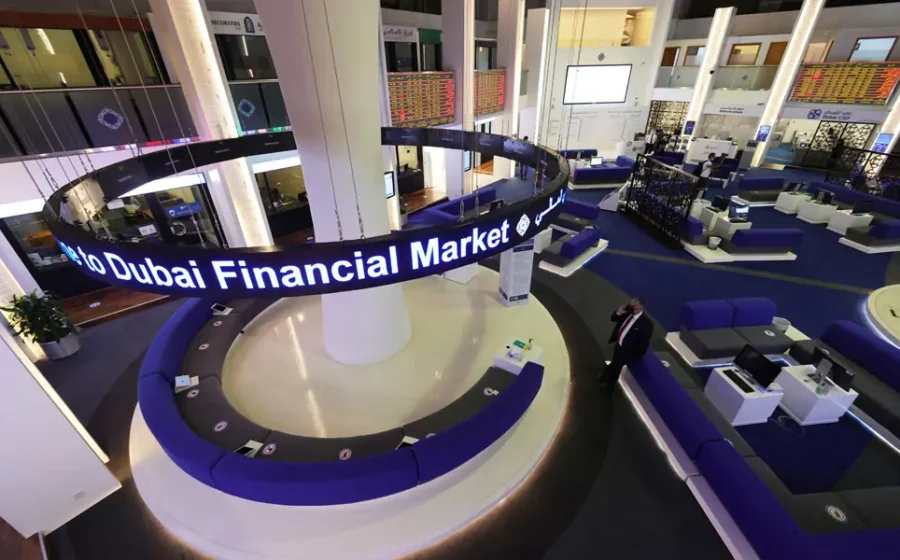
Regional equities weakened as shipping risk, oil volatility and renewed US-Iran confrontation pushed investors back into defensive positions.

Negotiations hosted in Qatar are shifting from ceasefire language to the practical mechanics of maritime security, shipping access and energy flows.

Ship-tracking data point to a sharp June recovery in regional energy flows, although exports remain below pre-war volumes and shipping risk has not disappeared.

The agreement marks the strongest move towards ending the conflict, but formal signing, implementation and the nuclear question remain unresolved.
Doha described the memorandum as a step towards sustainable peace and economic growth, with the Strait of Hormuz at the centre of implementation.
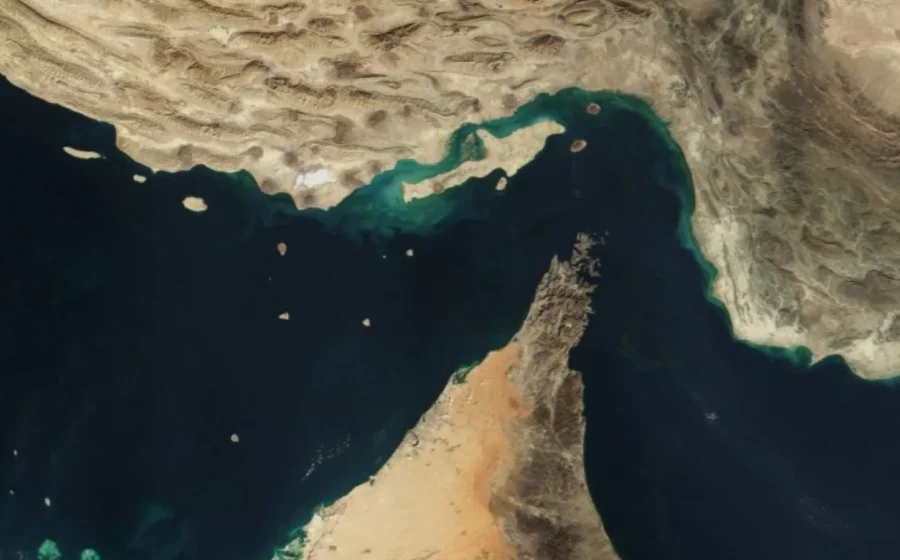
A practical guide to why the waterway matters, how disruption reaches companies and consumers, and which indicators show that trade is truly normalising.
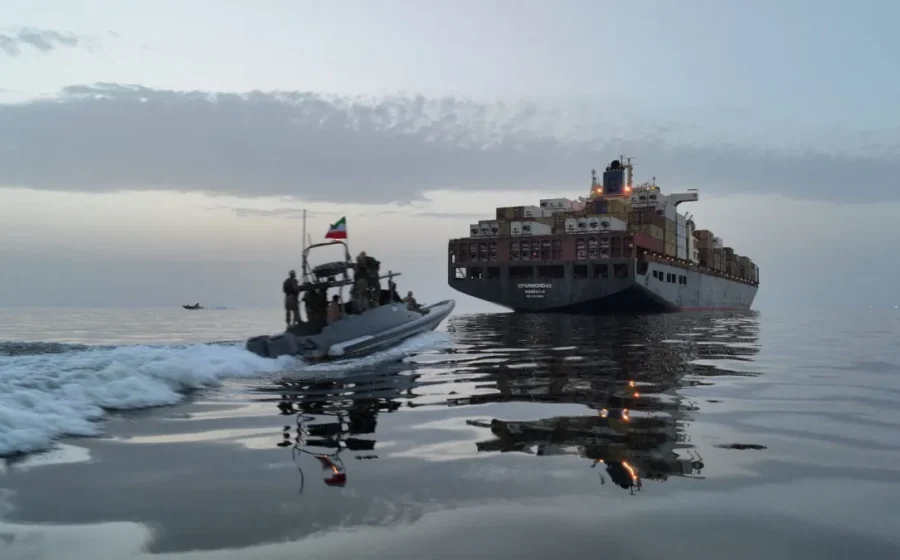
The political decision to reopen Hormuz can be made quickly; locating, identifying and neutralising maritime threats is a slower technical operation.

One visible LNG tanker has transited the strait, but shipowners say political agreement is not yet the same as safe, commercially insurable passage.

The agreement has shifted the summit agenda towards implementation, energy security, sanctions and the unresolved regional fronts.