

DUBAI — A practical guide to why the waterway matters, how disruption reaches companies and consumers, and which indicators show that trade is truly normalising.
What is the Strait of Hormuz?
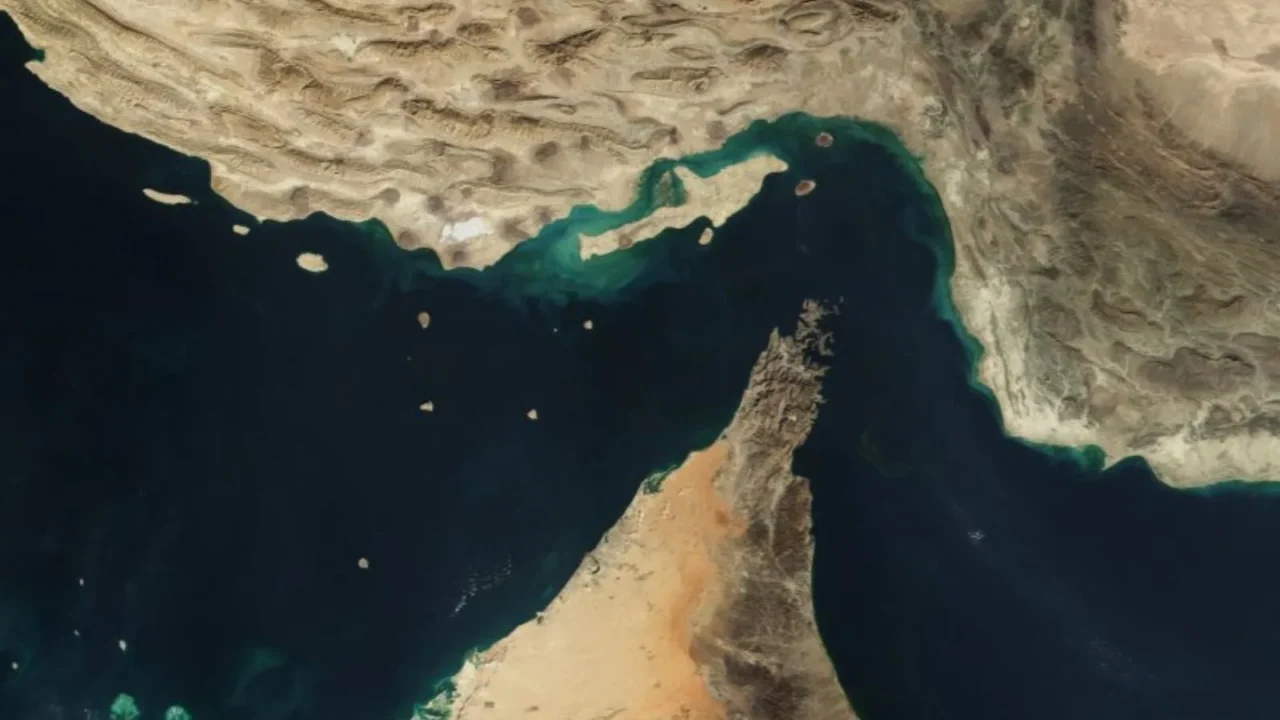
The Strait of Hormuz is the narrow maritime passage connecting the Gulf with the Gulf of Oman and the Arabian Sea. It sits between Iran and Oman and is the principal sea route for energy exports from several Gulf producers.
Its importance comes from concentration. A disruption in one narrow area can affect cargoes originating across the region, even when production facilities are far from the immediate security incident.
Why oil markets watch Hormuz
Oil traders monitor the strait because a substantial share of internationally traded crude and petroleum products normally moves through it. The exact flow changes with production, demand and alternative pipelines, but the waterway remains one of the world’s most important energy chokepoints.
A disruption can raise prices before physical shortages appear. Traders price the probability of delayed cargoes, inventory drawdowns and higher transport costs.
Why LNG is different
Liquefied natural gas requires specialised terminals and vessels. Buyers cannot always replace a delayed LNG cargo as easily as they can purchase another crude grade. Utilities may need to draw storage, buy spot cargoes or change power-generation plans.
Qatar’s role as a major LNG exporter makes reliable navigation especially important for Asian and European energy security.
How disruption affects shipping
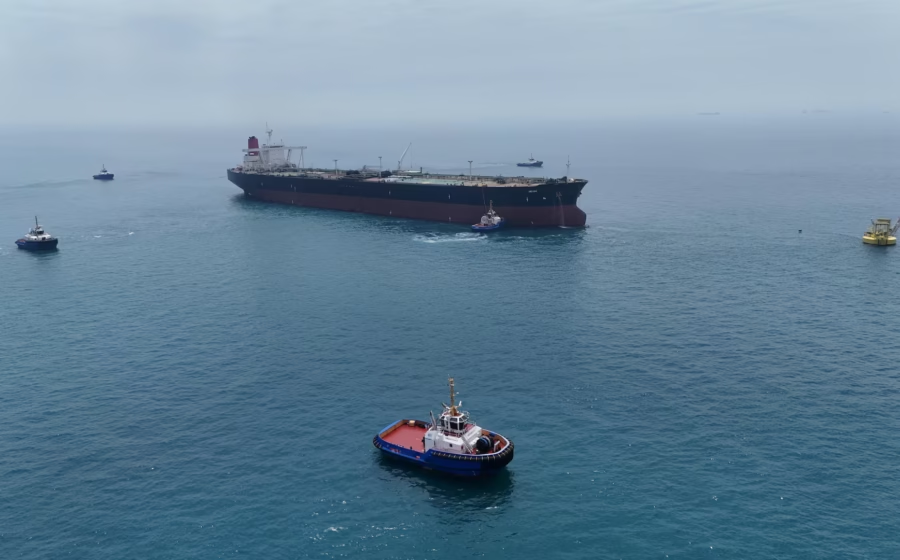
Shipowners may pause voyages, wait outside the risk area or request new charter terms. Cargo owners can redirect vessels, but alternative routes for Gulf exports are limited.
A backlog can develop quickly because tankers, terminals and delivery windows are tightly scheduled. Clearing that backlog requires more than declaring the route open.
The role of marine insurance
Most commercial voyages involve several layers of insurance, including hull, machinery, cargo, protection and indemnity, and war risk. Underwriters can change premiums, deductibles or exclusions as risk rises.
A dramatic increase in war-risk cost can make a voyage uneconomic. Banks and charterers may also require evidence of adequate cover before approving departure.
What naval mines change
Mines are difficult because their presence may be uncertain and their effects indiscriminate. A single incident can close traffic lanes and force a new survey.
Mine-countermeasure operations use specialist vessels, sonar, drones and remotely operated systems. They require time, protection and confidence that no new devices will be deployed.
What alternative routes exist?
Saudi Arabia can move some crude towards the Red Sea through pipelines connected to Yanbu, while the UAE can export part of its production through Fujairah outside the strait. These routes provide resilience but do not replace total normal Gulf capacity.
The availability of alternatives depends on pipeline capacity, maintenance, product type and terminal operations.
How the shock reaches businesses
Higher oil and gas prices affect fuel, electricity, chemicals, plastics, aviation and transport. Shipping delays can raise the cost of imported food, machinery and construction materials.
Companies may face working-capital pressure because cargoes take longer to arrive while suppliers demand new terms or insurance costs increase.
How the shock reaches consumers
Consumers may see higher transport fares, electricity costs or prices for goods with energy-intensive production. Governments can soften the impact through subsidies or strategic stocks, but those measures carry fiscal costs.
The timing varies by country because retail pricing systems, taxes and subsidies differ.
What the markets price first
Financial markets react to expectations. Oil futures, currencies, bonds and equities can move within minutes of a security or diplomatic announcement.
Physical markets react through cargo nominations, vessel movements and inventories. This difference explains why oil prices can fall before normal shipping resumes.
How to judge a real reopening
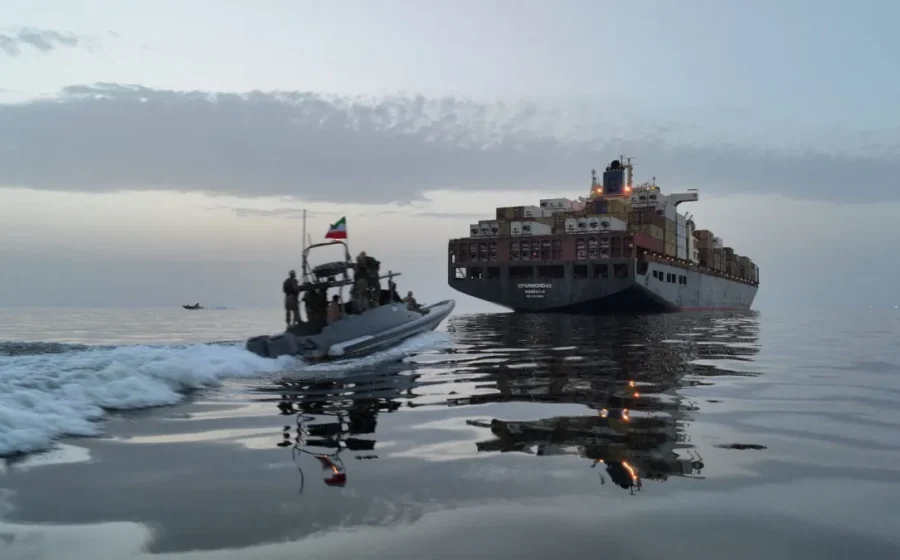
A credible reopening should produce repeated commercial transits, published navigation guidance, lower war-risk premiums and rising terminal loadings. One escorted vessel is a useful test but not proof of full normalisation.
Companies should watch data over several days and weeks rather than relying on a single headline.
What investors should monitor
Investors should track energy producers, banks, airlines, logistics companies and consumer sectors. Lower geopolitical risk can support broad equity markets while reducing earnings expectations for some oil companies.
Bond yields and currencies also matter because energy prices influence inflation and interest-rate expectations.
What governments should prioritise
Governments need reliable communication, coordinated maritime security and transparent guidance for industry. Emergency stock releases can reduce price pressure, but they do not solve the navigation problem.
Longer-term resilience depends on alternative pipelines, storage, diversified trade routes and regional mechanisms for preventing escalation.
Frequently asked questions
Is Hormuz open as soon as governments announce it? No. Legal and political announcements must be followed by security clearance, navigation instructions, insurer approval and commercial decisions.
Will oil prices immediately return to pre-crisis levels? Not necessarily. Inventories, damaged infrastructure, production decisions and a continuing risk premium can keep prices elevated.
Can every Gulf exporter bypass the strait? No. Alternative capacity exists, but it is limited and unevenly distributed.
Why can normalisation take months? Shipping schedules, insurance, terminal operations, production and customer inventories all need to rebalance.
The central lesson
Hormuz is not only an energy story. It is an infrastructure, insurance, diplomacy, inflation and corporate-risk story. The most useful business analysis connects the security event to the operational chain that delivers goods and energy.
For readers and decision-makers, the essential discipline is to distinguish market relief from physical recovery. A framework can reduce risk quickly; durable normalisation requires repeated evidence.
Editorial context
Commercial vessels do not return to a high-risk waterway simply because political leaders announce an agreement. Shipowners consult masters, charterers, flag states, naval advisers and insurers. Each party can impose conditions, and a single unresolved safety question can delay a voyage. That is why visible traffic may recover much more slowly than financial-market confidence.
What to watch
Insurance is one of the decisive constraints. War-risk premiums, exclusions and deductibles determine whether a transit is commercially viable and whether lenders will accept the exposure. Underwriters normally require reliable information on mines, missiles, detention risk, navigation rules and escort arrangements before pricing can move back towards normal levels.
The reopening of a chokepoint is also a scheduling problem. Tankers and LNG carriers may be waiting in different ports, cargoes may have been reassigned, crews may be close to regulatory limits and terminals may need to rebuild loading sequences. Even when navigation is declared safe, congestion and documentation can extend the recovery.
Asian refiners and utilities will watch actual cargo departures rather than political statements alone. Their procurement decisions affect spot prices, inventories and replacement buying. If buyers remain cautious, the market can continue to carry a risk premium even while benchmark oil prices fall.
Commercial vessels do not return to a high-risk waterway simply because political leaders announce an agreement. Shipowners consult masters, charterers, flag states, naval advisers and insurers. Each party can impose conditions, and a single unresolved safety question can delay a voyage. That is why visible traffic may recover much more slowly than financial-market confidence.
Insurance is one of the decisive constraints. War-risk premiums, exclusions and deductibles determine whether a transit is commercially viable and whether lenders will accept the exposure. Underwriters normally require reliable information on mines, missiles, detention risk, navigation rules and escort arrangements before pricing can move back towards normal levels.
The reopening of a chokepoint is also a scheduling problem. Tankers and LNG carriers may be waiting in different ports, cargoes may have been reassigned, crews may be close to regulatory limits and terminals may need to rebuild loading sequences. Even when navigation is declared safe, congestion and documentation can extend the recovery.
Asian refiners and utilities will watch actual cargo departures rather than political statements alone. Their procurement decisions affect spot prices, inventories and replacement buying. If buyers remain cautious, the market can continue to carry a risk premium even while benchmark oil prices fall.
Commercial vessels do not return to a high-risk waterway simply because political leaders announce an agreement. Shipowners consult masters, charterers, flag states, naval advisers and insurers. Each party can impose conditions, and a single unresolved safety question can delay a voyage. That is why visible traffic may recover much more slowly than financial-market confidence.
Insurance is one of the decisive constraints. War-risk premiums, exclusions and deductibles determine whether a transit is commercially viable and whether lenders will accept the exposure. Underwriters normally require reliable information on mines, missiles, detention risk, navigation rules and escort arrangements before pricing can move back towards normal levels.
The reopening of a chokepoint is also a scheduling problem. Tankers and LNG carriers may be waiting in different ports, cargoes may have been reassigned, crews may be close to regulatory limits and terminals may need to rebuild loading sequences. Even when navigation is declared safe, congestion and documentation can extend the recovery.
Asian refiners and utilities will watch actual cargo departures rather than political statements alone. Their procurement decisions affect spot prices, inventories and replacement buying. If buyers remain cautious, the market can continue to carry a risk premium even while benchmark oil prices fall.
Commercial vessels do not return to a high-risk waterway simply because political leaders announce an agreement. Shipowners consult masters, charterers, flag states, naval advisers and insurers. Each party can impose conditions, and a single unresolved safety question can delay a voyage. That is why visible traffic may recover much more slowly than financial-market confidence.
How companies should prepare
Companies with exposure to Gulf trade should map their dependence on Hormuz rather than treating the issue only as a commodity-price risk. The map should identify suppliers, customers, shipping routes, ports, insurers, banks and contracts that could be affected by a closure or restricted transit. It should also distinguish direct exposure from second-order exposure. A company may not import oil, for example, but may rely on plastics, fertiliser, air freight or suppliers whose costs rise when energy and shipping are disrupted.
Contract review is equally important. Force-majeure clauses, delivery obligations, insurance requirements and price-adjustment mechanisms determine how risk is shared. Businesses should know who can redirect a shipment, who pays additional freight and what evidence is required before a delay is excused. Waiting until a vessel is already stranded leaves less room to negotiate.
Building a useful contingency plan
A practical contingency plan should contain clear decision points. Management should define which indicators trigger additional inventory, alternative sourcing, customer communication or revised pricing. Those indicators might include navigation warnings, insurer restrictions, port closures, freight-rate thresholds or a sustained fall in daily transits. The objective is not to predict every event but to avoid making critical decisions without agreed evidence.
Cash-flow planning should be included because disruption can lengthen the period between paying a supplier and receiving goods or customer revenue. Companies may need larger working-capital facilities, revised payment terms or additional liquidity. Banks and treasury teams should understand the same scenario assumptions used by operations and procurement.
Three reopening scenarios
Rapid normalisation: mine surveys confirm limited risk, several commercial vessels transit safely and insurers reduce premiums quickly. Under this scenario, congestion remains but benchmark prices and freight costs continue to fall. Companies would focus on clearing delayed orders and rebuilding normal inventory.
Managed reopening: authorities establish escorted or restricted corridors while broader surveys continue. Priority energy cargoes move first, but schedules remain uncertain and insurance stays expensive. This is a plausible middle path in which financial markets improve faster than physical trade.
Interrupted reopening: a mine, attack, detention or political dispute stops progress. Oil and freight prices would probably become volatile again, while companies would need to activate alternative routes and customer plans. This scenario shows why a political framework should not be treated as the end of operational risk.
How boards should discuss Hormuz risk
Boards do not need to manage vessel movements, but they should understand concentration, resilience and responsibility. Useful questions include: What percentage of revenue or critical supply depends on the Gulf route? How long can the company operate if deliveries are delayed? Which executive owns the response? What insurance is in place? Are public statements consistent with verified information?
The discussion should also consider opportunity. Stable reopening can support tourism, aviation, financial markets and investment across the Gulf. Companies prepared for recovery may be able to restore activity faster than competitors, but they should avoid committing capital on the assumption that all risk has disappeared.
Why the issue will remain strategically important
Even after normal traffic returns, the crisis will influence corporate and government planning. Exporters are likely to examine pipelines, storage and terminals outside the strait. Importers may diversify suppliers and hold larger strategic inventories. Insurers and lenders may demand stronger security information. These changes can alter costs and investment priorities long after daily headlines have moved on.
The enduring lesson is that resilience has a price, but concentration also has a price. The Strait of Hormuz will remain one of the world’s most efficient routes for Gulf energy. The policy challenge is to preserve that efficiency while reducing the economic damage caused when security deteriorates.