


Four Oil and Gas Tankers Turn Back From Hormuz After Vessel Attacks
The reversal of tankers near the Strait of Hormuz shows how quickly maritime security risk can affect energy flows, shipping insurance and Gulf supply-chain…
Oil, gas, hydrogen, electricity, renewables and regional energy strategy.
The reversal of tankers near the Strait of Hormuz shows how quickly maritime security risk can affect energy flows, shipping insurance and Gulf supply-chain…

The group is expected to continue unwinding voluntary cuts, but the return of supply while prices soften may test unity among major producers.

A Reuters survey shows a major recovery in OPEC production after months of disruption, led by Gulf producers and a gradual reopening of regional…
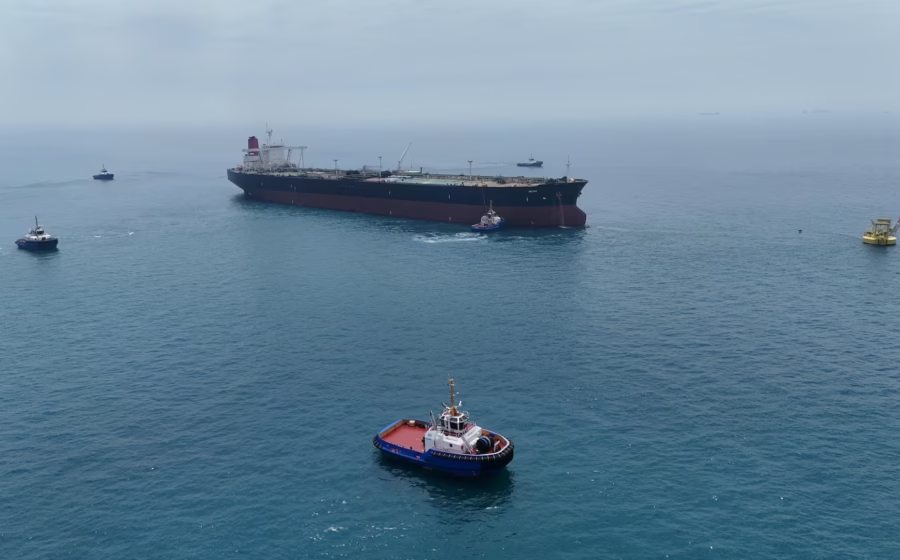
A post-disruption surge in Gulf supply is giving independent Chinese refiners access to discounted non-sanctioned barrels, changing the pricing balance with Russian and Iranian…

Ship-tracking data point to a sharp June recovery in regional energy flows, although exports remain below pre-war volumes and shipping risk has not disappeared.
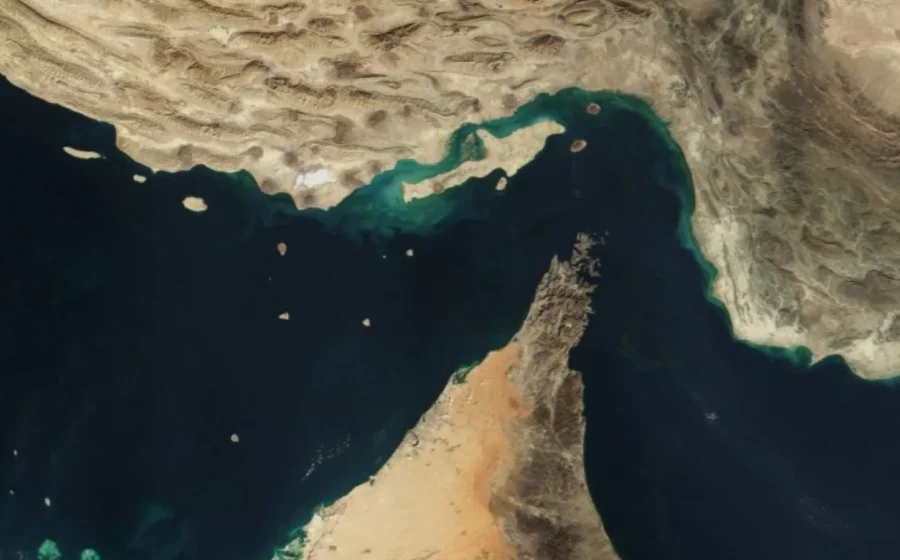
A practical guide to why the waterway matters, how disruption reaches companies and consumers, and which indicators show that trade is truly normalising.
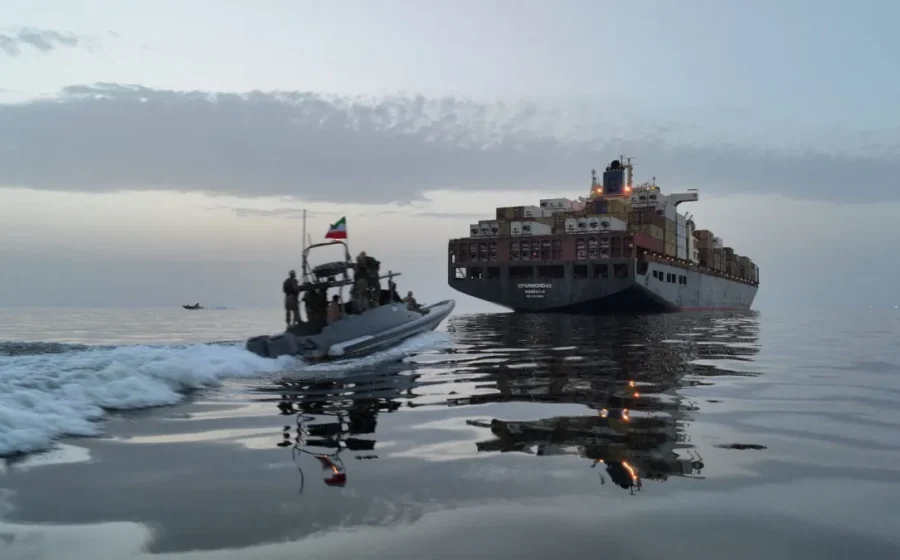
The political decision to reopen Hormuz can be made quickly; locating, identifying and neutralising maritime threats is a slower technical operation.

One visible LNG tanker has transited the strait, but shipowners say political agreement is not yet the same as safe, commercially insurable passage.

Crude prices dropped sharply after the US-Iran framework, although mines, insurance and disrupted logistics may delay the return of normal Gulf exports.
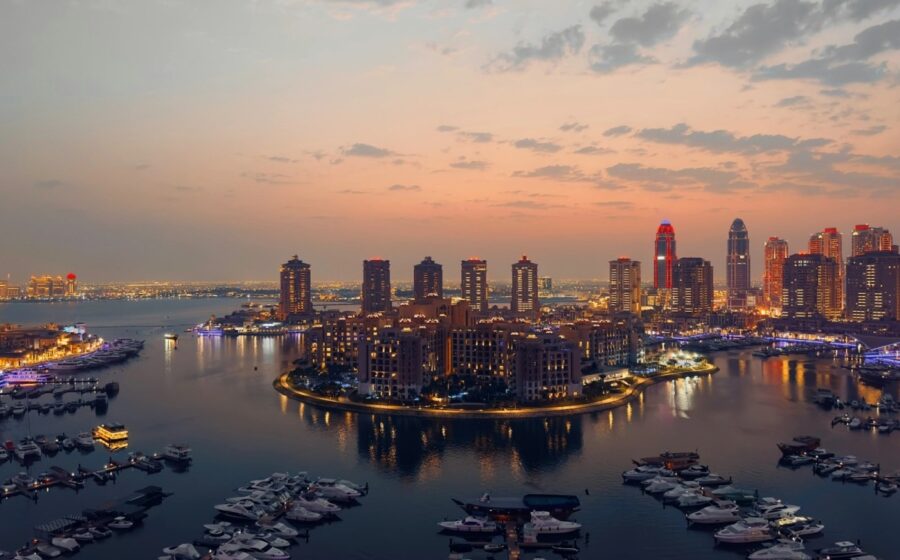
Regulatory changes are intended to support efficient cooling infrastructure and more sustainable urban development.