


Oil prices extended their decline on Tuesday after US President Donald Trump played down the likelihood of further military action against Iran, easing immediate fears of a prolonged disruption to energy supplies from the Middle East.
Brent crude futures fell 1.7 per cent to $90.99 a barrel at 0759 GMT, while US West Texas Intermediate (WTI) crude futures declined 1.8 per cent to $85.20, according to Reuters. Both benchmarks had fallen by about 2 per cent earlier in the session.
The latest losses followed a sharp retreat on Monday, when Brent settled 5.85 per cent lower after reaching its weakest level since 31 August. By Tuesday, the international benchmark had fallen approximately 22 per cent from the six-month high of $118 a barrel recorded on 30 October.
The price movement reflected a change in market expectations after Trump said on Monday that he would hold off on fresh military strikes against Iran for the time being. He made the comments after appeals from regional governments, including discussions with Qatar’s prime minister at the White House.
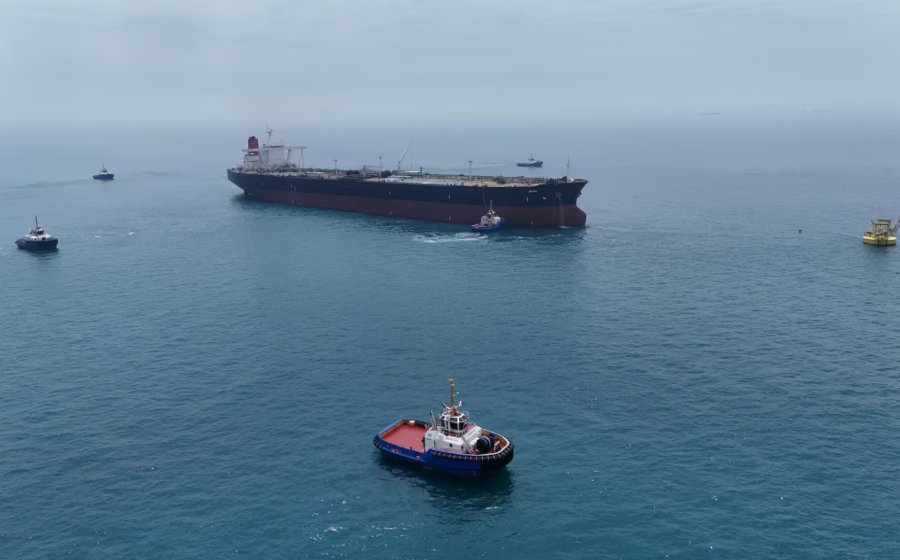
Trump said further military action did not appear necessary “at this point”. He also indicated that the United States would maintain its naval blockade in the Strait of Hormuz, leaving a key source of uncertainty for energy traders unresolved.
The remarks reduced concerns that Washington was preparing to widen the conflict immediately, although they did not amount to a comprehensive settlement or guarantee the restoration of normal shipping through the Gulf.
Geopolitical risk premium begins to ease
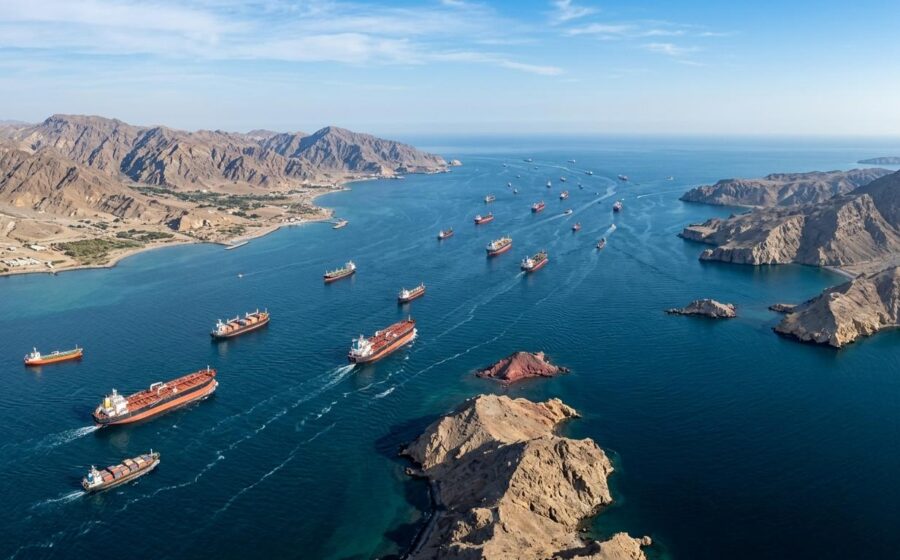
Oil markets have been particularly sensitive to developments around the Strait of Hormuz, through which substantial volumes of the world’s crude and petroleum products are transported. Any escalation involving Iran, the United States or commercial shipping in the waterway can raise concerns about the availability and cost of moving oil to international buyers.
The recent fall in prices suggests traders are assigning a lower probability to an immediate escalation in US military operations. Tim Waterer, chief market analyst at KCM Trade, said the market was responding to Trump’s more conciliatory tone towards Iran.
Waterer also noted that attacks on shipping around the Strait of Hormuz were continuing but had not escalated in a way that forced a fresh risk premium into oil prices, Reuters reported.
That distinction is important. A reduction in the perceived likelihood of further military action can pull prices lower even while the underlying security situation remains uncertain. Traders are reacting not only to barrels currently available but also to the possibility that future production, exports or tanker movements could be interrupted.
Trump’s comments on the naval blockade also complicate the outlook. While his decision to pause additional strikes eased one source of concern, the continued blockade means the wider dispute over access to the region’s energy trade has not been resolved.
For oil importers, refiners and traders, the decline is therefore a change in the immediate market outlook rather than confirmation that the region has returned to stable trading conditions.
OPEC output provides a further supply signal
Developments on the supply side have also contributed to the changing market picture.
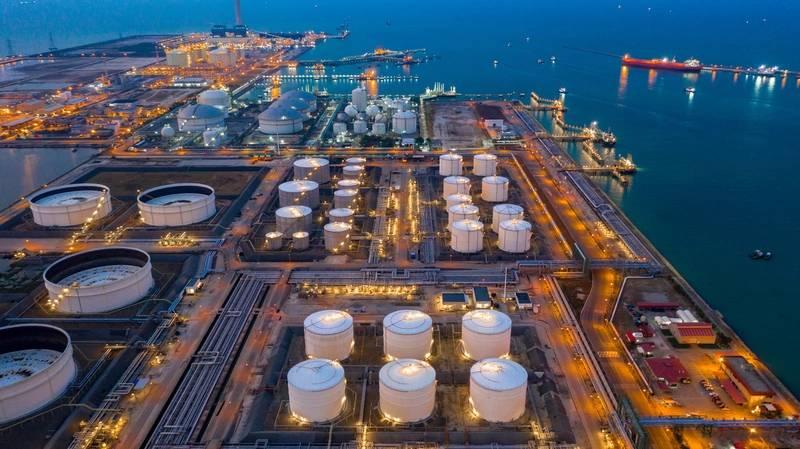
Crude production by the 11 members of the Organization of the Petroleum Exporting Countries (OPEC) increased by 1.38 million barrels per day in October to 22.87 million barrels per day, according to a Reuters survey published on Monday.
The increase was led by Saudi Arabia, Kuwait and Iraq. October production represented about 90 per cent of the 25.48 million barrels per day produced by the same group in February, the final month before the conflict disrupted production and exports across the region.
The increase points to a recovery in output, but it does not mean that all the additional oil is reaching international markets without difficulty. Reuters reported that exports remained constrained by the conflict and by the US blockade on Iranian shipments.
Seven members of the wider OPEC+ producer group had agreed to keep output steady in October after raising production quotas in previous months. However, the conflict prevented producers from fully delivering on their planned increases.
The production data offer an additional reason for the market to reassess the supply outlook, although the distinction between oil produced and oil successfully exported remains significant. Tanker availability, shipping routes, insurance costs and security risks continue to influence how much crude can reach buyers and at what cost.
Shipping risks remain a concern
Despite the fall in benchmark prices, analysts have cautioned against interpreting the move as the end of the energy-market disruption.
Gregory Brew, a senior analyst at Eurasia Group, said Brent was unlikely to fall below $90 a barrel without more durable evidence of de-escalation and a US-Iran agreement. He also warned that risks to shipping remained high, citing continued attacks on vessels transiting the Strait of Hormuz.
The waterway remains a critical link between Gulf producers and customers in Asia, Europe and other regions. Disruption can affect not only the volume of crude available but also freight rates, delivery schedules and insurance costs. Even when producers maintain or increase output, difficulties in moving cargoes can limit the immediate supply reaching refiners.
That means the market could remain vulnerable to sudden reversals. A fresh attack on a tanker, a further restriction on passage through Hormuz or a breakdown in diplomatic contacts could quickly restore some of the risk premium that has recently come out of prices.
Conversely, more sustained progress towards de-escalation and the restoration of predictable shipping conditions could place further downward pressure on crude benchmarks, particularly if production continues to recover.
A more cautious outlook for crude
For now, traders are weighing signs of reduced immediate military risk against the continuing uncertainty over the Gulf’s export routes. Trump’s comments have helped ease fears of another round of US strikes, while the rise in OPEC production has added to expectations that supply could improve.
But neither development removes the constraints on exports or guarantees that shipping through the Strait of Hormuz will become consistently safe.
The benchmark price decline is substantial: Brent has retreated by roughly one-fifth from its late-October peak. Yet the market remains exposed to events that could alter the balance between supply and risk in a matter of hours.
For Middle Eastern producers, the challenge is to restore reliable access to export markets while operating in a security environment that remains unsettled. For global buyers, lower prices offer some relief, but the durability of that relief will depend on whether the fall in geopolitical tensions is matched by a sustained recovery in physical oil flows.
The latest market reaction reflects a reduced fear of immediate escalation, not the resolution of the conflict or the removal of the risks facing Gulf energy exports.