

Brent crude is heading towards another monthly gain as attacks on energy infrastructure, threats to shipping and uncertain US-Iran diplomacy keep investors cautious about the region’s oil supply outlook.
Oil prices are ending October at elevated levels, with traders facing a difficult calculation: whether diplomatic efforts between Washington and Tehran can contain the conflict, or whether further military escalation will threaten energy production and exports across the Middle East.
Brent crude futures rose on Friday, gaining 1.04 per cent to reach $116.08 a barrel, while US West Texas Intermediate (WTI) advanced 1.34 per cent to $103.37. Both benchmarks were on course for a fourth consecutive monthly increase, according to Reuters. Brent was set to gain nearly 11 per cent during October, while WTI was heading towards a monthly rise of approximately 14 per cent.
The latest gains came amid renewed concerns over maritime security in the Strait of Hormuz and claims of attacks on Saudi energy facilities. The developments have reinforced the possibility that the conflict could affect not only oil prices but also the cost and reliability of energy supplies to major importing economies.
For traders, however, the central question is no longer simply whether another attack will occur. It is how long the region’s energy infrastructure, shipping routes and export networks could remain exposed to military risks.
A market caught between diplomacy and escalation
The oil market has reacted sharply to changing signals from the diplomatic and military fronts. News of possible negotiations between the United States and Iran has periodically pushed prices lower, while attacks and threats against energy infrastructure have helped restore the upward pressure.
On Thursday, crude prices retreated as investors assessed renewed diplomatic activity. Brent fell 1.34 per cent to $113.77 a barrel, while WTI declined 1.95 per cent to $100.78, according to Reuters market reporting.
The decline illustrated how sensitive the market has become to indications that the conflict might be contained. But the improvement in sentiment was limited. Traders remained concerned that diplomatic contacts might not produce an agreement capable of reducing the immediate risks to regional energy supplies.
Reports that US Vice President JD Vance had sent a letter to Iranian Security Council chief Mohsen Rezaei added another layer of uncertainty. The purpose and significance of the communication have been described differently by officials and media reports. President Donald Trump said the outreach concerned medical supplies, while other reporting linked it to efforts to revive negotiations. Iran confirmed receiving a letter but had not provided a response at the time of the latest reports.
Qatar has also been involved in mediation efforts, presenting ideas intended to create a pathway towards ending the conflict. However, an Iranian official described earlier proposals as unacceptable, and the existence of diplomatic contact should not be mistaken for a breakthrough.
For energy markets, this distinction matters. A temporary reduction in tensions may encourage traders to sell, but a durable agreement would be needed to change expectations about the security of oil production and transportation.
Attacks keep the supply risk in focus
The latest security incidents have reinforced concerns about the vulnerability of energy infrastructure and shipping routes.
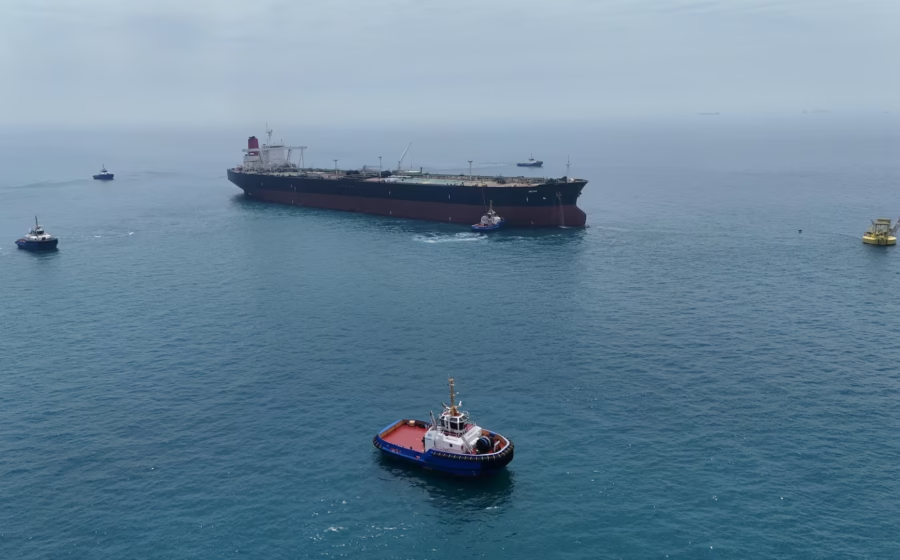
The UK Maritime Trade Operations agency reported that a tanker in the Strait of Hormuz had been struck by explosive devices attached to a small boat. Responsibility for the incident was not immediately established.
The Houthis, meanwhile, claimed to have carried out attacks on Saudi oil and aviation facilities. The claims included several strategically important locations, although they were not independently corroborated in the initial reporting. Saudi authorities separately reported intercepting missiles directed towards Riyadh.
These incidents have added to an already tense operating environment for companies involved in crude production, refining, shipping and insurance.
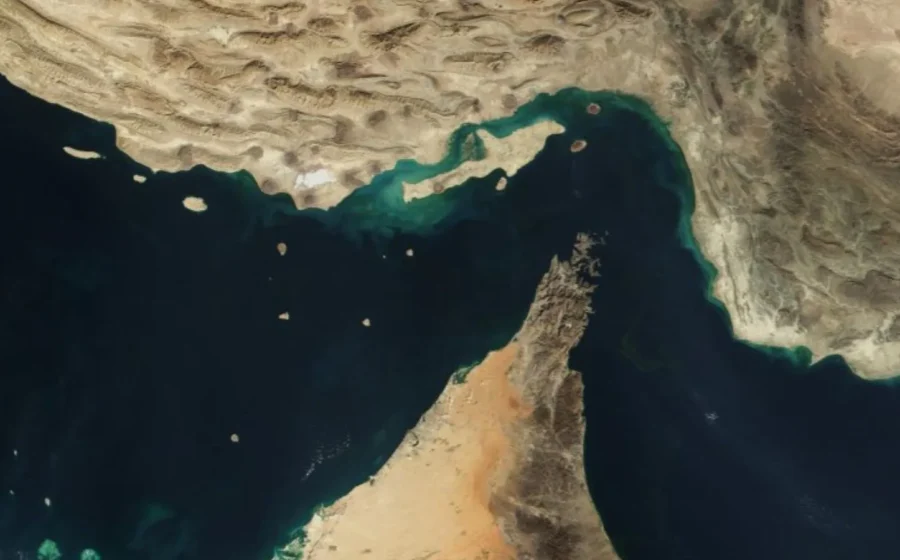
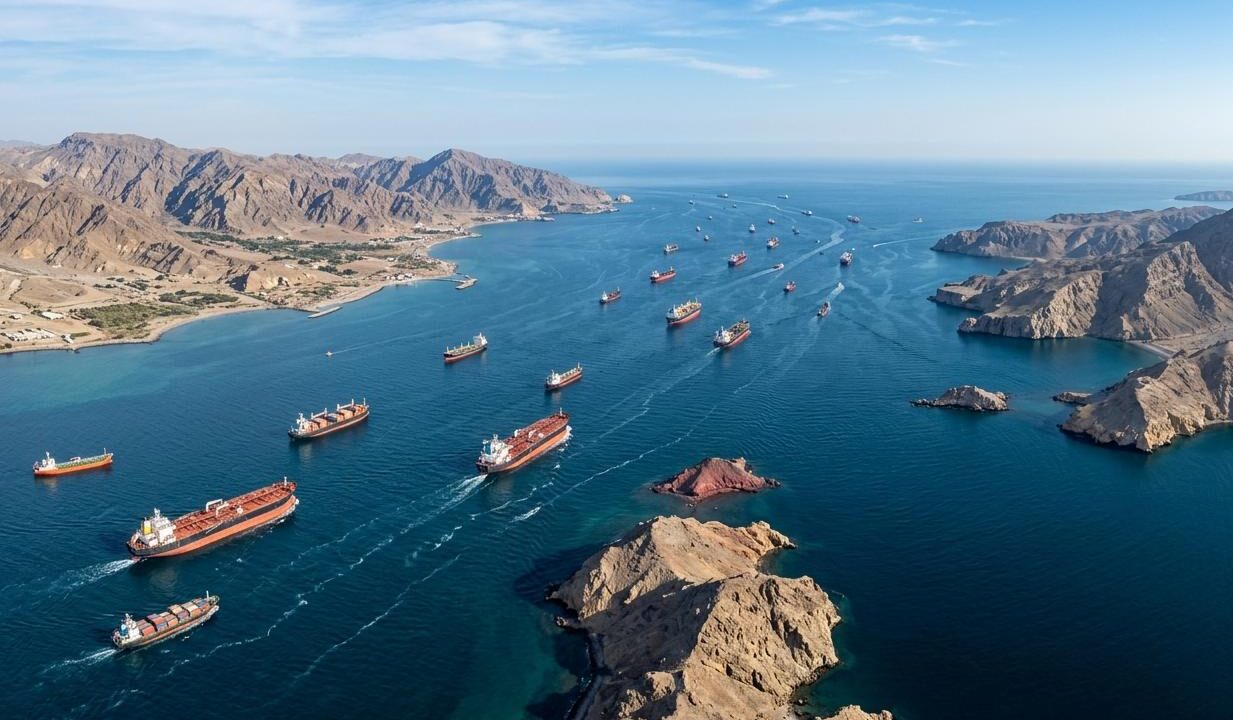
The Strait of Hormuz remains particularly important because it is a major route connecting oil producers in the Persian Gulf with international markets. Any sustained disruption could complicate the movement of crude and petroleum products, increase shipping costs and force buyers to reconsider delivery schedules.
The risk is not limited to a complete closure of the waterway. Even when vessels continue to move, threats to shipping can make journeys more expensive and difficult to insure. Companies may also face delays, changes to routes and uncertainty over whether cargoes can reach their destinations on schedule.
This means that oil prices can remain high even without a confirmed, prolonged interruption to exports. Markets are pricing the possibility of disruption, not merely measuring barrels that have already been lost.
Why the geopolitical risk premium matters
A significant part of the recent price movement reflects the additional risk traders associate with the conflict.
In normal conditions, oil prices are influenced by factors such as global demand, production levels, commercial inventories, refinery activity and decisions by major producing countries. During a conflict, expectations about future supply can become just as important as the physical balance between production and consumption.
If traders believe that an attack could damage a refinery, pipeline, export terminal or shipping route, they may demand a higher price to compensate for the possibility of future shortages. This additional cost is commonly described as a geopolitical risk premium.
The premium can change quickly. A credible ceasefire or agreement to protect shipping could reduce it, while another attack or a breakdown in negotiations could push it higher.
That helps explain why prices have moved in both directions during the week. Diplomatic headlines have encouraged selling, but military developments have prevented a sustained decline.
The market is also watching the possibility of further US military action against Iran. Reuters reporting has highlighted uncertainty over Washington’s next steps, including the possibility that decisions could be influenced by the US midterm elections scheduled for 3 November.
Until there is greater clarity, traders are likely to remain highly responsive to statements from Washington, Tehran and regional governments.
The wider economic consequences for oil-importing countries
Elevated crude prices have consequences beyond the energy trading sector. Countries that rely heavily on imported oil face pressure on their import bills, inflation outlooks and currency positions when international benchmarks remain high.
For India, the situation deserves particular attention. The country imports a substantial share of the crude oil it consumes, leaving its economy exposed to changes in international prices and the cost of transporting supplies.
A sustained rise in crude prices can increase the cost of imports and put pressure on the current account. Depending on how much of the increase is passed through, it can also affect fuel prices, transport costs and the operating expenses of businesses.
The impact is not necessarily immediate or uniform. Domestic retail prices are influenced by taxes, government policy, refining margins, exchange rates and the pricing decisions of oil companies. Nevertheless, a prolonged period of expensive crude can make inflation management more difficult.
Other major importers in Asia face similar concerns. Refiners and governments may seek alternative suppliers, adjust purchasing strategies or draw on available inventories, but these responses cannot fully remove the cost of a prolonged disruption.
For Gulf producers, the picture is more complicated. Higher oil prices can increase revenues when exports continue normally. But attacks on infrastructure, threats to shipping and rising insurance costs can undermine the benefits of stronger benchmark prices. A higher price per barrel does not automatically translate into higher realised revenue if cargoes cannot be transported reliably.
What traders will watch in November
The coming weeks are likely to be decisive for the direction of the oil market. Investors will monitor whether diplomatic contacts develop into a credible negotiating process, whether attacks on regional infrastructure continue and whether commercial shipping can operate with greater confidence.
The US midterm elections on 3 November are another event that traders may consider when assessing Washington’s approach to Iran. However, the election itself does not determine the course of the conflict, and any forecast about military action remains uncertain.
Market participants will also look for evidence that the risks to physical supply are easing. A reduction in reported maritime incidents, more predictable tanker movements and lower shipping and insurance costs could help weaken the geopolitical premium. Conversely, damage to major facilities or a sustained interruption to transport routes could add further upward pressure.
For now, the oil market is caught between two competing possibilities. Diplomacy offers a route towards lower risk and potentially lower prices, while continuing military activity leaves the region’s energy infrastructure exposed.
Brent’s position above $115 a barrel reflects that uncertainty. Traders are not simply betting on the next price movement; they are assessing how much of the Middle East’s energy supply can be counted on to reach global markets safely.
Until the diplomatic process produces tangible results and the security situation improves, the prospect of sustained volatility is likely to remain central to the oil market.