


Why Sundeep Kochar’s Language of Timing Resonates in the Gulf
In a region shaped by fast growth and high-consequence decisions, Sundeep Kochar has built an audience around timing, reflection and personal responsibility.
Economic growth, trade, companies, employment and the non-oil economy.
In a region shaped by fast growth and high-consequence decisions, Sundeep Kochar has built an audience around timing, reflection and personal responsibility.
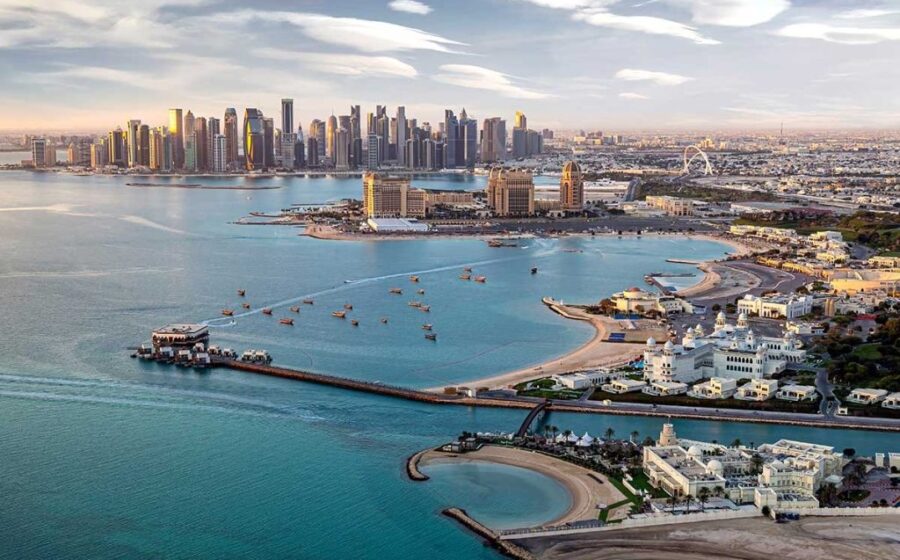
Official investment data shows Qatar drew 373 FDI projects in 2025, generating more than 15,000 jobs as the country seeks to diversify its capital…
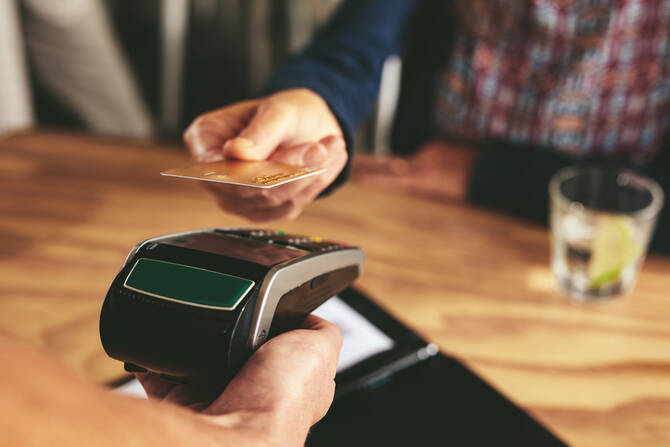
Weekly card and digital payment transactions remained above $3 billion, offering a useful snapshot of consumer demand and the Kingdom’s cashless economy transition.
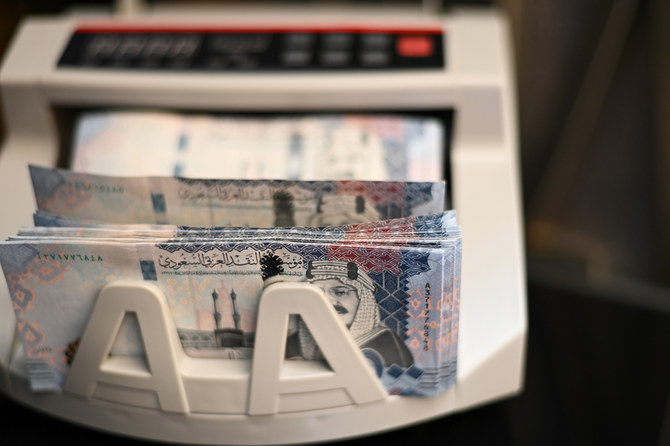
Kamco Invest data shows Gulf banks remained profitable in the first quarter, supported by broad credit growth across diversification-linked sectors.
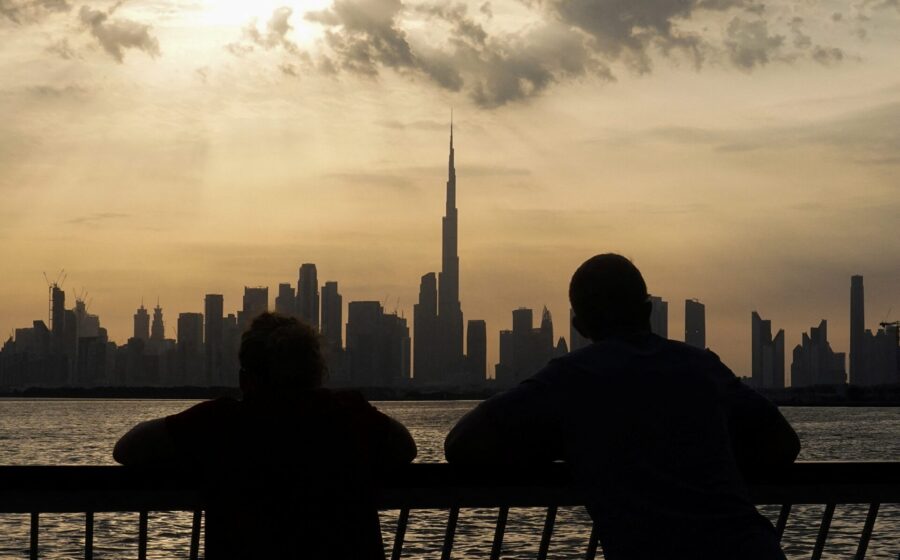
The UAE’s private-sector expansion remained positive in June, but weaker activity, cautious client spending and competition pulled the PMI close to neutral.
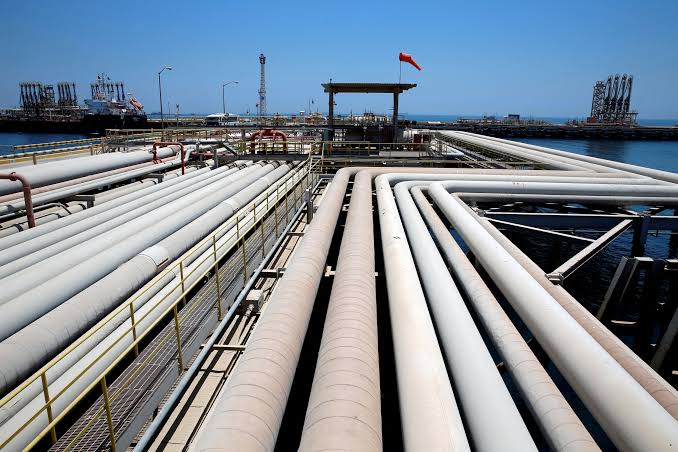
Domestic demand and project approvals lifted Saudi Arabia’s non-oil PMI in June, but export weakness and cost pressure show that growth remains uneven.
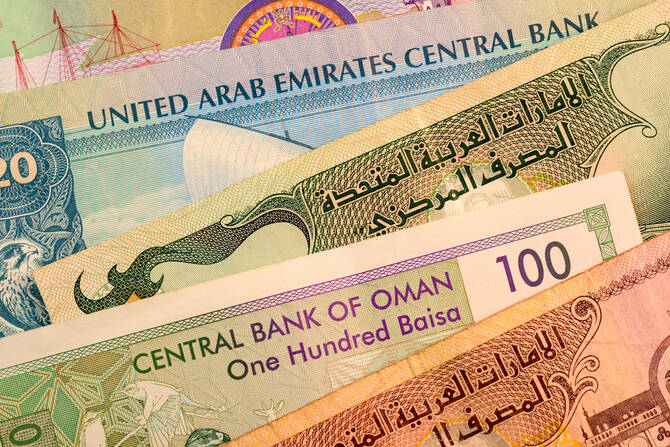
ICAEW-linked forecasts point to a sharp rebound after a difficult 2026, but the outlook depends on shipping security, reconstruction, oil flows and confidence.

Official investment-promotion data show Qatar attracting 373 FDI initiatives in 2025, with technology and greenfield projects central to its diversification strategy.

Weekly payment data show Saudi consumer spending remaining above the $3 billion mark, with food, restaurants and Riyadh transactions supporting the total.

A slower 2026 outlook suggests that trade and travel disruptions are weighing on activity, even as forecasters expect a stronger recovery when oil and…