

DUBAI — The GCC economy is forecast to rebound sharply in 2027 after a difficult 2026 shaped by conflict, shipping disruption and pressure on tourism and infrastructure, according to a recent ICAEW-linked assessment reported by Arab News.
The report projected an 8.1 percent rebound for the GCC in 2027, while the wider Middle East was expected to contract in 2026 rather than expand as previously forecast. Kuwait, Iran, Iraq and Qatar were identified among the economies most exposed to the shock.
What changed
The forecast shows how quickly regional growth assumptions can change when security risk affects trade routes and infrastructure. A rebound projection is encouraging, but it must be read against the disruption that produced the lower base.
High growth after a downturn does not automatically mean full recovery. Economies can post strong percentage growth from a weak comparison year while still rebuilding lost output, tourism confidence, shipping reliability and investment momentum.
Why it matters for the Gulf
For the Gulf, the outlook is tied to energy exports, logistics, aviation, sovereign spending and private-sector confidence. Even countries with strong balance sheets can face slower activity if ships are delayed, tourists hesitate or projects become more expensive.
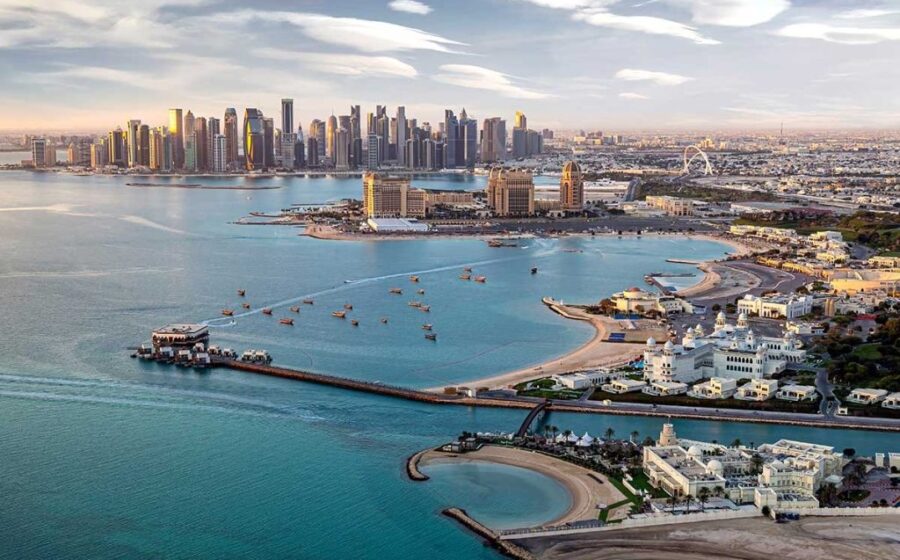
Qatar’s inclusion among exposed economies is notable because LNG wealth provides strength but also depends on specialised maritime routes. Kuwait and Iraq face different pressures linked to hydrocarbons, infrastructure and reform capacity.
The economic reading
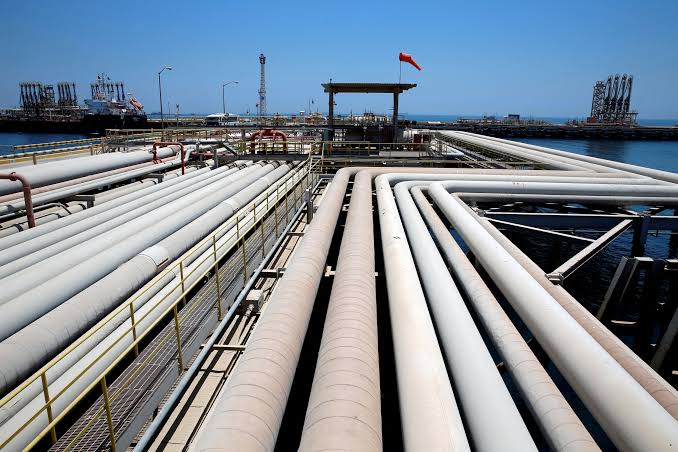
Oil prices can help exporters, but they do not solve every problem. Higher crude can support public revenue while shipping disruption raises insurance costs and weakens private-sector confidence. The quality of growth therefore matters as much as the headline rate.
Investors should treat the rebound forecast as a scenario, not a guarantee. Companies with strong balance sheets, domestic demand exposure and government-linked contracts may recover faster than firms dependent on tourism, cross-border trade or discretionary spending.
What to watch next
The key indicators will be shipping security, tourism bookings, oil-export volumes, public spending plans and bank lending. If these stabilise, the rebound forecast becomes more credible. If disruption persists, growth assumptions may be revised again.
The Gulf’s long-term growth story remains supported by energy resources, sovereign wealth and national transformation agendas. The 2027 rebound forecast suggests that capacity remains intact. The challenge is ensuring that 2026’s shock remains temporary rather than becoming a recurring cost of doing business.
The Telegraph Middle East reading
The development should be assessed through the quality of growth rather than the headline number alone. Gulf economies are moving through a period in which public investment, private-sector confidence, cost pressures and geopolitical risk interact more directly than in previous cycles.
For companies, the operating environment rewards discipline. Firms with pricing power, strong cash conversion, efficient supply chains and clear exposure to domestic demand are likely to perform better than those relying solely on optimistic regional expansion. For policymakers, the priority is to keep confidence high without ignoring cost and logistics pressures.
The wider implication is that diversification is no longer only a strategic slogan. It is being tested in real time. PMI readings, bank lending, payment data and investment flows now show which parts of the non-oil economy are becoming resilient and which still depend heavily on government spending, easy logistics or favourable sentiment.
The story will remain important because it connects policy decisions with boardroom planning. Companies operating in the Gulf increasingly need to understand not only what happened, but how it changes risk, cost, demand and the timing of investment decisions across the region.
The story will remain important because it connects policy decisions with boardroom planning. Companies operating in the Gulf increasingly need to understand not only what happened, but how it changes risk, cost, demand and the timing of investment decisions across the region.
The story will remain important because it connects policy decisions with boardroom planning. Companies operating in the Gulf increasingly need to understand not only what happened, but how it changes risk, cost, demand and the timing of investment decisions across the region.
The story will remain important because it connects policy decisions with boardroom planning. Companies operating in the Gulf increasingly need to understand not only what happened, but how it changes risk, cost, demand and the timing of investment decisions across the region.
The story will remain important because it connects policy decisions with boardroom planning. Companies operating in the Gulf increasingly need to understand not only what happened, but how it changes risk, cost, demand and the timing of investment decisions across the region.