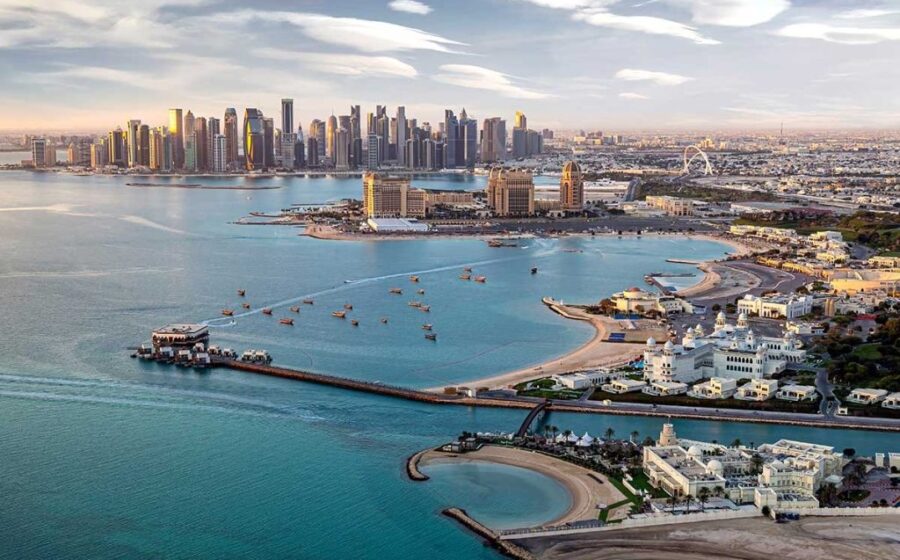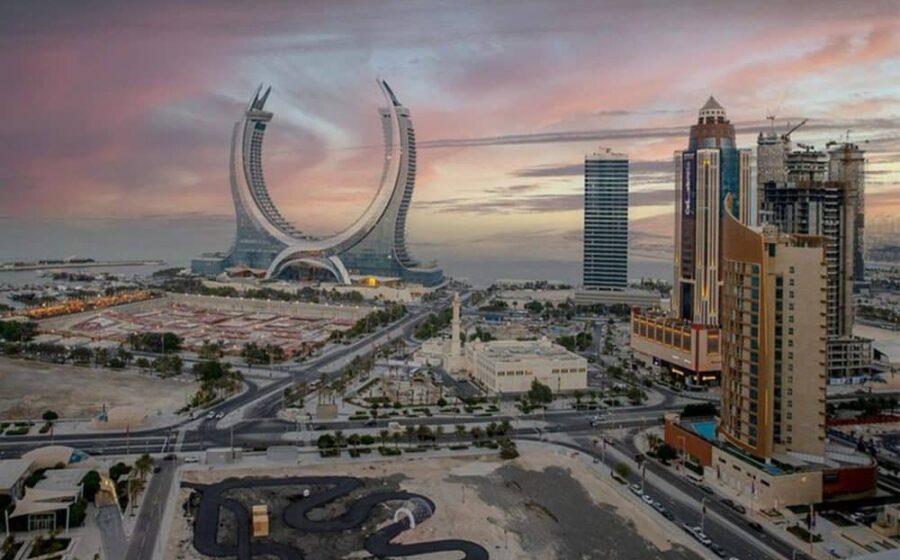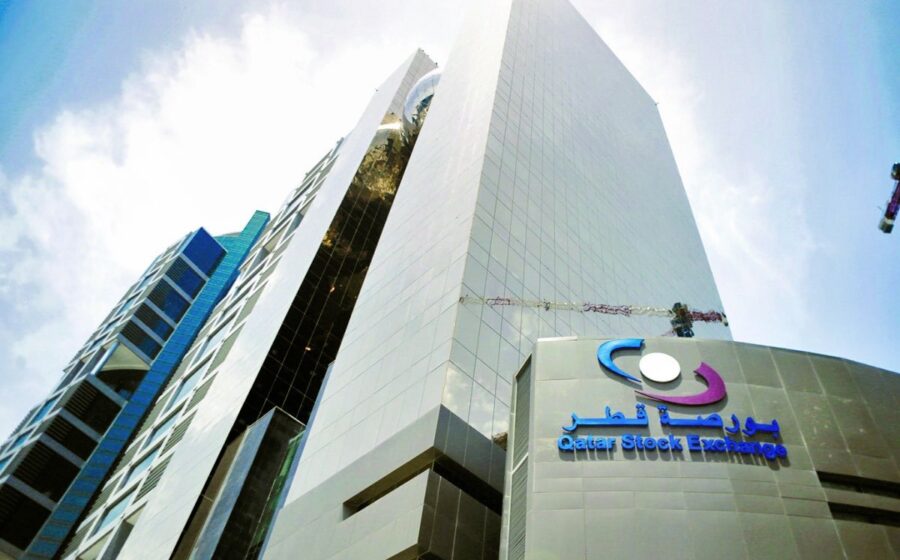


DOHA — July 4, 2026: Official investment-promotion data show Qatar attracting 373 FDI initiatives in 2025, with technology and greenfield projects central to its diversification strategy. The development is relevant to Telegraph Middle East readers because it connects directly with the publication’s core coverage of Gulf business, public policy, investment, markets and regional affairs.
The story is not only about a headline figure or a single official decision. It is about how the Middle East is adjusting to a period in which energy routes, capital flows, government policy, consumer confidence and geopolitical risk are moving together. In that environment, a development in one sector can quickly shape decisions in another.
Qatar attracted $3.4 billion in FDI project capital expenditure across 373 initiatives in 2025.
The projects generated 15,051 jobs, according to Invest Qatar data reported by Arab News.
More than half of the capital expenditure was directed towards greenfield projects.
Nearly half of all projects were classified as medium- to high-technology investments.
Taken together, these details indicate that the region is moving through a phase of cautious adjustment rather than simple recovery or deterioration. The facts point to measurable activity, but they also show why decision-makers remain careful about treating one week of data as a lasting trend.
The wider economic significance lies in the way the data illuminate household and business behaviour. In the Gulf, headline GDP numbers can be dominated by oil output, but the signals inside payments, purchasing managers’ surveys, tourism bookings and private-sector hiring often reveal the condition of the non-oil economy earlier. When companies delay spending or households continue to transact, policymakers and investors receive very different messages.
The region’s diversification strategies depend on confidence translating into recurring activity. Retail spending, services demand, bank lending, construction orders and travel bookings are the practical channels through which national plans become measurable growth. A temporary slowdown does not necessarily weaken the long-term story, but it does test how resilient private companies are when costs rise or geopolitical uncertainty interrupts customer decisions.
For Telegraph Middle East readers, the important distinction is between structural direction and cyclical pressure. The structural direction remains towards broader non-oil activity, digital payment systems, tourism, logistics and financial services. The cyclical pressure comes from disrupted trade routes, cautious customers and the timing of interest-rate decisions. Both forces are present at the same time.
The figures position Qatar as a targeted, high-value investment market rather than a volume-driven one.
Technology classification matters because the country is trying to diversify beyond hydrocarbons and event-led growth.
Competition with the UAE, Saudi Arabia and Oman will increasingly depend on talent, regulation and sector depth.
For policymakers, the priority is to preserve confidence while avoiding overstatement. For companies, the priority is operational flexibility: the ability to adapt procurement, pricing, staffing, financing and customer strategy as conditions change. For investors, the key question is whether short-term uncertainty is masking durable structural growth or exposing weaknesses that were previously hidden by abundant liquidity.
The next indicators to watch will be official follow-up data, sector-level statements, shipping and travel activity, lending conditions, company guidance and the tone of regional diplomacy. Telegraph Middle East will continue to treat confirmed data as the basis for analysis and will avoid presenting projections or source-based claims as settled outcomes.
The wider context is that the Gulf is attempting to protect its reputation as a reliable centre for capital, trade and services while operating in a region where security developments can change the cost of doing business quickly. The strongest economies will be those able to maintain institutional clarity, transparent communication and practical continuity during periods of stress. That is why today’s news should be read as part of a wider operating picture rather than as an isolated event.
The wider context is that the Gulf is attempting to protect its reputation as a reliable centre for capital, trade and services while operating in a region where security developments can change the cost of doing business quickly. The strongest economies will be those able to maintain institutional clarity, transparent communication and practical continuity during periods of stress. That is why today’s news should be read as part of a wider operating picture rather than as an isolated event.