


Israel Says It Will Retain Regional Security Zones Despite De-escalation Framework
Israel’s position highlights a central gap between the US-Iran framework and the unresolved military realities in Lebanon, Syria and Gaza.
Verified reporting on current developments.
Israel’s position highlights a central gap between the US-Iran framework and the unresolved military realities in Lebanon, Syria and Gaza.

Relative calm followed the US-Iran framework, yet Israeli forces remain in the south and extensive destruction makes an immediate return unsafe.
The agreement marks the strongest move towards ending the conflict, but formal signing, implementation and the nuclear question remain unresolved.
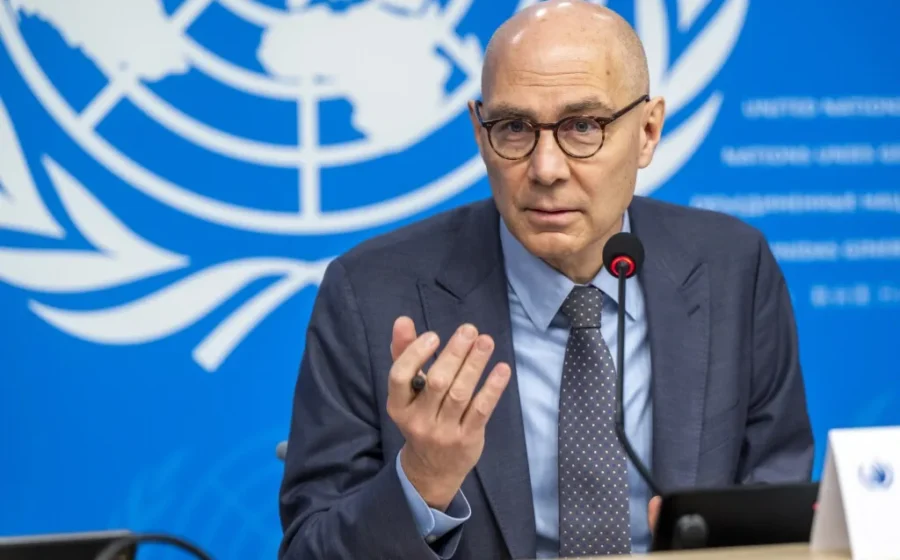
Volker Türk called for good-faith implementation while raising concern over continuing violence and the humanitarian impact across the region.
Doha described the memorandum as a step towards sustainable peace and economic growth, with the Strait of Hormuz at the centre of implementation.
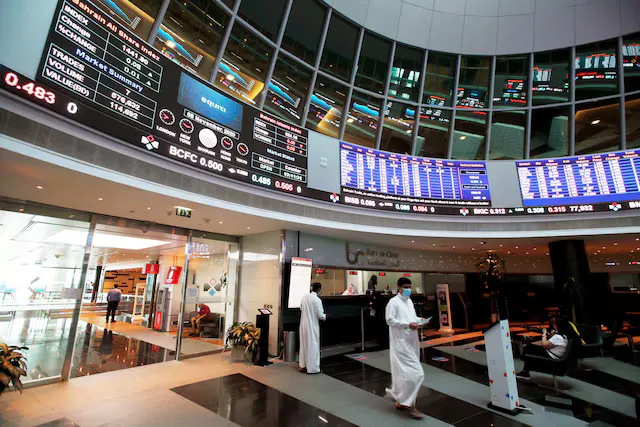
Saudi and Qatari shares advanced as investors reduced regional risk, while lower oil prices weighed on the energy sector.

One visible LNG tanker has transited the strait, but shipowners say political agreement is not yet the same as safe, commercially insurable passage.

The agreement has shifted the summit agenda towards implementation, energy security, sanctions and the unresolved regional fronts.

The index reached 10,544 points in early trading as the regional de-escalation framework improved risk appetite.

Crude prices dropped sharply after the US-Iran framework, although mines, insurance and disrupted logistics may delay the return of normal Gulf exports.