


SINGAPORE — Crude prices dropped sharply after the US-Iran framework, although mines, insurance and disrupted logistics may delay the return of normal Gulf exports.
Prices react immediately
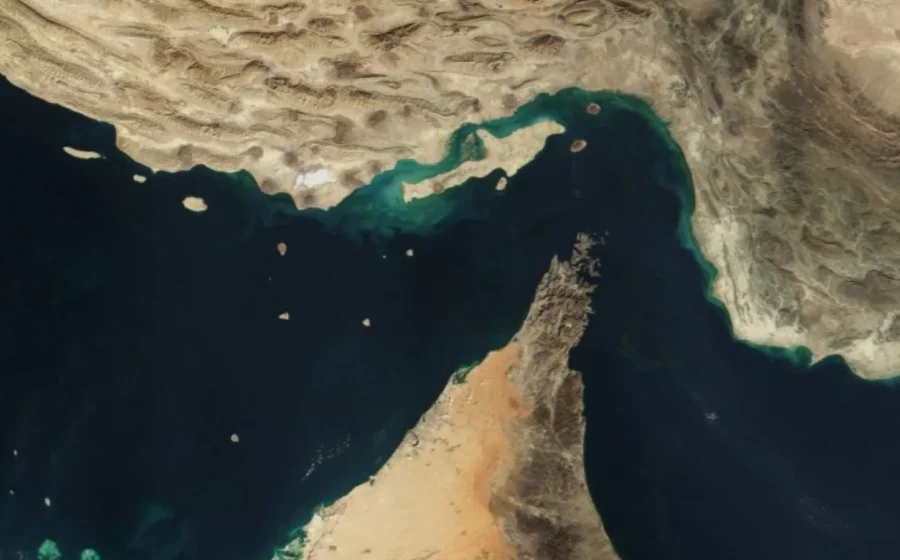
Oil prices fell by around 5% after the US-Iran framework reduced expectations of prolonged disruption in the Strait of Hormuz. Reuters reported Brent near $83 a barrel and US crude around $80 during the move.
The fall reflects a rapid reduction in the geopolitical premium that had been built into prices.
Physical markets move more slowly
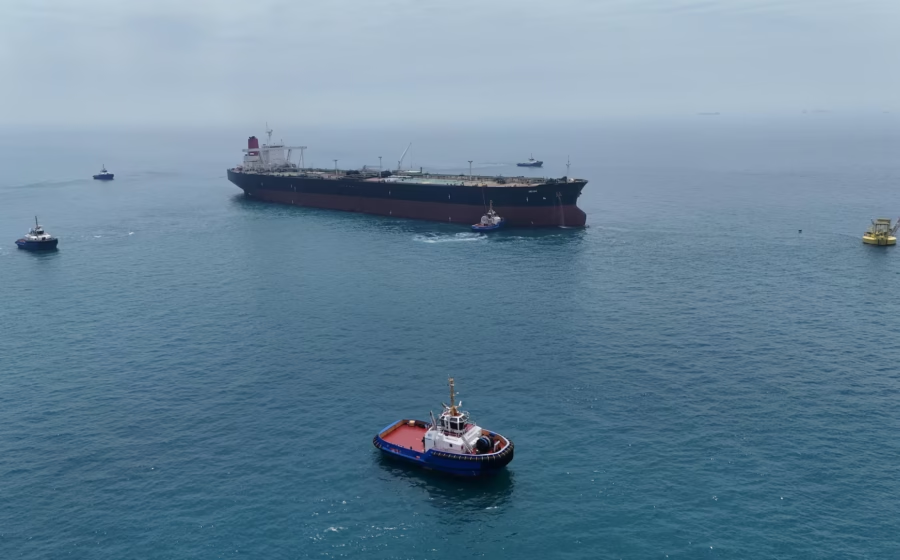
A lower futures price does not mean every cargo is moving normally. Shippers remain cautious, mine-clearance operations may take weeks and insurance conditions have not fully normalised.
Inventories also need to be rebuilt after months of disruption. Buyers may continue to pay premiums for reliable near-term supply.
What could limit further declines
Oil may retain a risk premium until the framework is signed and implemented. Any breach, delay or military incident could produce renewed volatility.
Production capacity and terminal operations also matter. Exporters cannot immediately replace every disrupted cargo.
Inflation implications
Lower crude prices can reduce future pressure on fuel, freight and manufacturing costs. The effect on consumers depends on taxes, subsidies and the speed with which wholesale prices pass through.
Central banks are likely to wait for sustained evidence rather than respond to a single trading session.
What to monitor
The strongest indicators are vessel traffic, loading schedules, inventories and war-risk premiums. Official announcements should be compared with physical data.
OPEC+ policy will also influence the balance if supply normalises faster or slower than expected.
Editorial context
The first market reaction is a repricing of probability, not proof that every economic consequence has disappeared. Investors reduce the premium attached to war, disrupted shipping and higher inflation. They then reassess earnings, interest rates, government spending and the speed at which supply chains can return to normal.
What to watch
Banks, transport companies and consumer-facing businesses can benefit when geopolitical risk falls, while oil producers may lose some of the windfall associated with elevated crude prices. This produces a mixed regional picture: broader indices can rise even as energy shares weaken.
Central-bank expectations are another transmission channel. Lower oil prices can reduce future inflation pressure, but policymakers will also consider the earlier shock, government subsidies, wage behaviour and the time required to rebuild inventories. One day of market relief does not automatically translate into an immediate change in interest-rate policy.
Liquidity and foreign participation matter as much as index direction. A durable improvement would normally be accompanied by stronger turnover, narrower risk spreads and sustained buying across sectors. A short rally driven mainly by headlines can reverse if implementation is delayed.
The first market reaction is a repricing of probability, not proof that every economic consequence has disappeared. Investors reduce the premium attached to war, disrupted shipping and higher inflation. They then reassess earnings, interest rates, government spending and the speed at which supply chains can return to normal.
Banks, transport companies and consumer-facing businesses can benefit when geopolitical risk falls, while oil producers may lose some of the windfall associated with elevated crude prices. This produces a mixed regional picture: broader indices can rise even as energy shares weaken.
Central-bank expectations are another transmission channel. Lower oil prices can reduce future inflation pressure, but policymakers will also consider the earlier shock, government subsidies, wage behaviour and the time required to rebuild inventories. One day of market relief does not automatically translate into an immediate change in interest-rate policy.
Liquidity and foreign participation matter as much as index direction. A durable improvement would normally be accompanied by stronger turnover, narrower risk spreads and sustained buying across sectors. A short rally driven mainly by headlines can reverse if implementation is delayed.
The first market reaction is a repricing of probability, not proof that every economic consequence has disappeared. Investors reduce the premium attached to war, disrupted shipping and higher inflation. They then reassess earnings, interest rates, government spending and the speed at which supply chains can return to normal.
Banks, transport companies and consumer-facing businesses can benefit when geopolitical risk falls, while oil producers may lose some of the windfall associated with elevated crude prices. This produces a mixed regional picture: broader indices can rise even as energy shares weaken.
Central-bank expectations are another transmission channel. Lower oil prices can reduce future inflation pressure, but policymakers will also consider the earlier shock, government subsidies, wage behaviour and the time required to rebuild inventories. One day of market relief does not automatically translate into an immediate change in interest-rate policy.