

BEIRUT — Relative calm followed the US-Iran framework, yet Israeli forces remain in the south and extensive destruction makes an immediate return unsafe.
A cautious reduction in hostilities
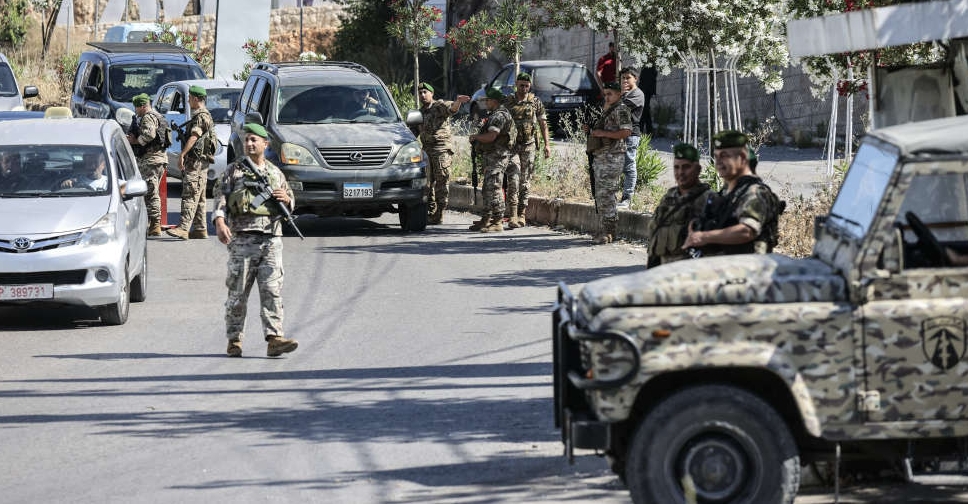
Fighting in southern Lebanon eased after the announcement of the US-Iran framework, but Lebanese authorities urged displaced residents not to interpret the pause as confirmation that it is safe to return. Reuters reported that military positions, damaged roads and unexploded hazards continue to shape conditions across affected areas.
The framework calls for an end to hostilities across regional fronts. Hezbollah is expected to stop attacks while Israel is expected to scale back military action. The operational details, however, remain uncertain and Israeli forces continue to hold positions in southern Lebanon.
The human cost
The latest phase of conflict has killed nearly 3,800 people and displaced around 1.2 million, according to Reuters. The scale of displacement means a ceasefire announcement cannot by itself create an orderly return. Housing, electricity, water, healthcare and transport all need assessment.
In heavily damaged towns, the decision to return is not only a security question. Families need reliable information about whether homes are structurally safe, whether local services function and whether emergency assistance is available.
Political reactions
Lebanese leaders welcomed the prospect of de-escalation while emphasising national stability and an end to attacks. Their statements also reflected the difficulty of managing expectations when Lebanon is affected by decisions involving Iran, the United States, Israel and Hezbollah.
The government’s immediate task is to maintain clear public guidance. Premature returns could place civilians at risk and make humanitarian coordination more difficult.
What to watch
The clearest indicators will be a sustained halt in strikes and rocket fire, verified military orders, access for Lebanese institutions and a plan for displaced communities. Reconstruction finance and the restoration of municipal services will become central if the calm holds.
Any new military incident should be assessed carefully because local escalation could test a regional framework that has not yet completed formal implementation.
Editorial context
Implementation will matter more than announcement language. A memorandum, framework or political understanding may establish direction, but governments, armed actors, regulators and commercial institutions still need a shared sequence for carrying it out. The most credible indicators will be observable steps: a durable halt in attacks, formal instructions to forces, access for monitors, published sanctions decisions and safe commercial movement through the Strait of Hormuz.
The distinction between a ceasefire, a preliminary memorandum and a final settlement is especially important in a fast-moving regional crisis. Markets can reprice immediately, while security arrangements and legal obligations take much longer. Telegraph Middle East therefore treats claims about future implementation as conditional until they are confirmed by the responsible institutions and reflected in events on the ground.
Regional diplomacy is also linked directly to economic confidence. Airlines, insurers, shipping companies, banks and investors respond not only to the wording of an agreement but to whether it reduces operational risk. A diplomatic breakthrough can improve sentiment within hours, yet the recovery of physical trade, transport and investment may require weeks of verified stability.
For Gulf governments, the immediate objective is to convert de-escalation into predictable rules. That includes freedom of navigation, protection of civilian infrastructure, clear communication between militaries and a process for resolving alleged violations. Without those mechanisms, even a limited incident could revive uncertainty and delay commercial normalisation.
Implementation will matter more than announcement language. A memorandum, framework or political understanding may establish direction, but governments, armed actors, regulators and commercial institutions still need a shared sequence for carrying it out. The most credible indicators will be observable steps: a durable halt in attacks, formal instructions to forces, access for monitors, published sanctions decisions and safe commercial movement through the Strait of Hormuz.