

MANAMA — Iran’s Revolutionary Guards said they targeted US military sites in Bahrain and Kuwait on Wednesday, sharply escalating regional security risks after a new wave of American strikes on Iranian targets.
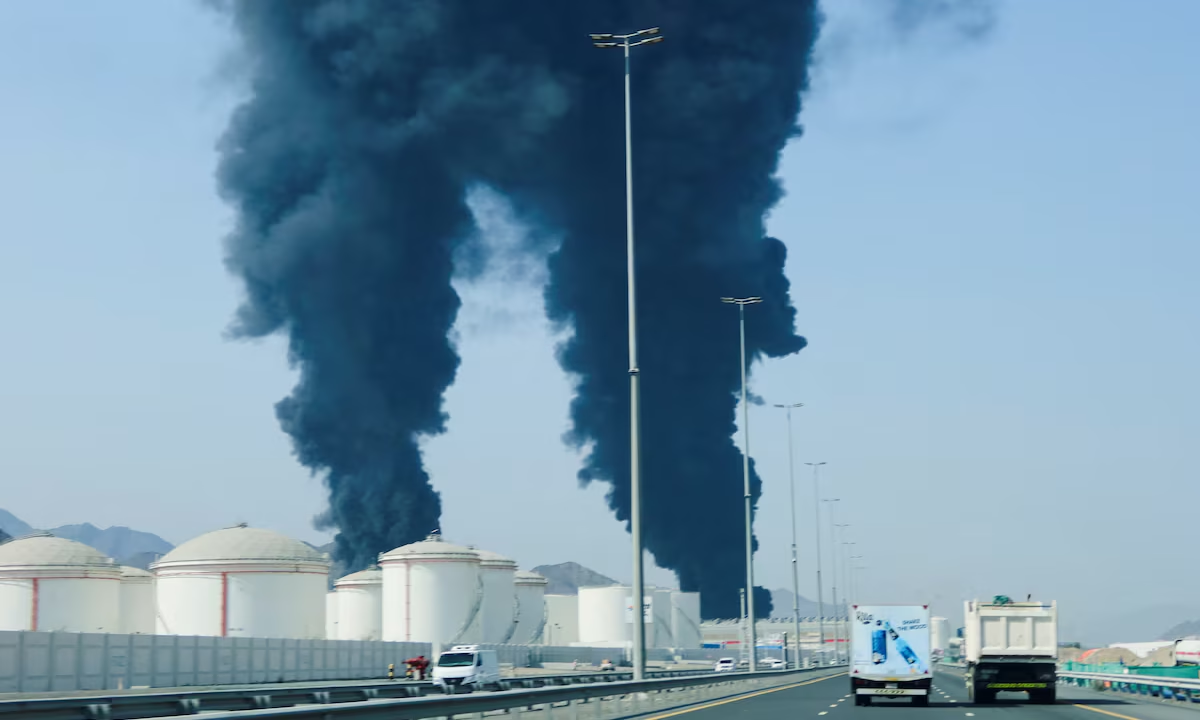
Reuters reported that the Iranian claims followed US attacks launched in response to strikes on tankers near the Strait of Hormuz. The episode places Gulf host states in a difficult strategic position between security partnerships and the need to avoid a wider regional confrontation.
What changed
The escalation differs from routine diplomatic tension because it involves facilities located inside Gulf states. When Iranian forces identify US-linked sites in Bahrain and Kuwait as targets, the risk is no longer confined to Iranian territory, open water or distant military assets.
Bahrain and Kuwait have long-standing defence relationships with Washington. Those partnerships provide deterrence and security support, but they can also increase exposure during periods of confrontation between the United States and Iran. The political sensitivity for host governments is therefore considerable.
Why it matters for the Gulf
The Gulf’s economic model depends on stability, open shipping routes, reliable aviation and investor confidence. Any perception that military exchanges could reach Gulf territory can affect markets, insurance, travel behaviour and corporate decision-making.
The timing also matters because the escalation is tied to vessel attacks and oil sanctions. That combination links military risk with energy-market risk, making the episode more economically consequential than a conventional exchange of statements.
The economic reading
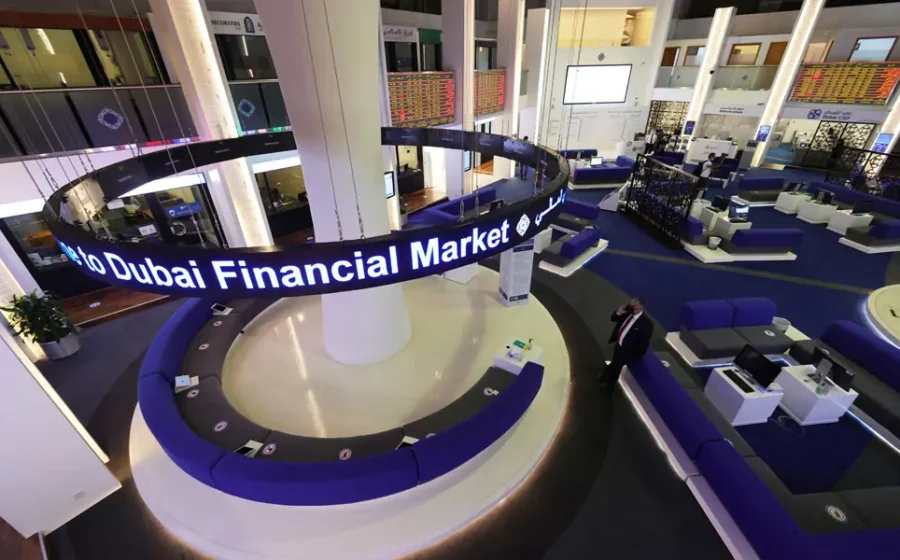
Oil prices, shipping premiums and equity markets may all respond to the same incident. Companies operating in logistics, aviation, banking and real estate may not be directly involved in security policy, but their valuations can reflect the wider risk premium attached to the region.
Investors will examine whether the latest exchange remains contained or triggers further strikes. A one-off retaliation may be absorbed if followed by credible de-escalation. Repeated attacks and counter-attacks would force a more serious reassessment of Gulf risk.
What to watch next
The operational indicators are as important as official language. Markets will watch airspace restrictions, airport activity, shipping movements, insurance notices, corporate travel advisories and any diplomatic intervention by regional mediators.
The latest Iranian claims show how quickly Gulf security, energy and finance can converge. For regional policymakers, the challenge is to protect sovereignty and security partnerships while preventing the Gulf’s commercial infrastructure from becoming collateral in a wider confrontation.
The Telegraph Middle East reading
The Gulf has spent years building the image of a stable commercial corridor between East and West. Security escalation around US facilities in Bahrain and Kuwait tests that image because it forces investors and companies to assess whether regional confrontation can touch the infrastructure of daily economic life.
This does not mean the Gulf’s economic model is broken. It does mean that security management has become a direct economic function. Air-defence readiness, diplomatic communication and crisis containment all influence the confidence of banks, airlines, shipping firms, event organisers and multinational companies.
The most effective regional response will likely combine deterrence with communication. Gulf states will want to reassure partners that they remain reliable security actors while also making clear that their territory and economies cannot become open-ended arenas for escalation. That balance will shape the next phase of regional diplomacy.
The story will remain important because it connects policy decisions with boardroom planning. Companies operating in the Gulf increasingly need to understand not only what happened, but how it changes risk, cost, demand and the timing of investment decisions across the region.
The story will remain important because it connects policy decisions with boardroom planning. Companies operating in the Gulf increasingly need to understand not only what happened, but how it changes risk, cost, demand and the timing of investment decisions across the region.
The story will remain important because it connects policy decisions with boardroom planning. Companies operating in the Gulf increasingly need to understand not only what happened, but how it changes risk, cost, demand and the timing of investment decisions across the region.
The story will remain important because it connects policy decisions with boardroom planning. Companies operating in the Gulf increasingly need to understand not only what happened, but how it changes risk, cost, demand and the timing of investment decisions across the region.
The story will remain important because it connects policy decisions with boardroom planning. Companies operating in the Gulf increasingly need to understand not only what happened, but how it changes risk, cost, demand and the timing of investment decisions across the region.