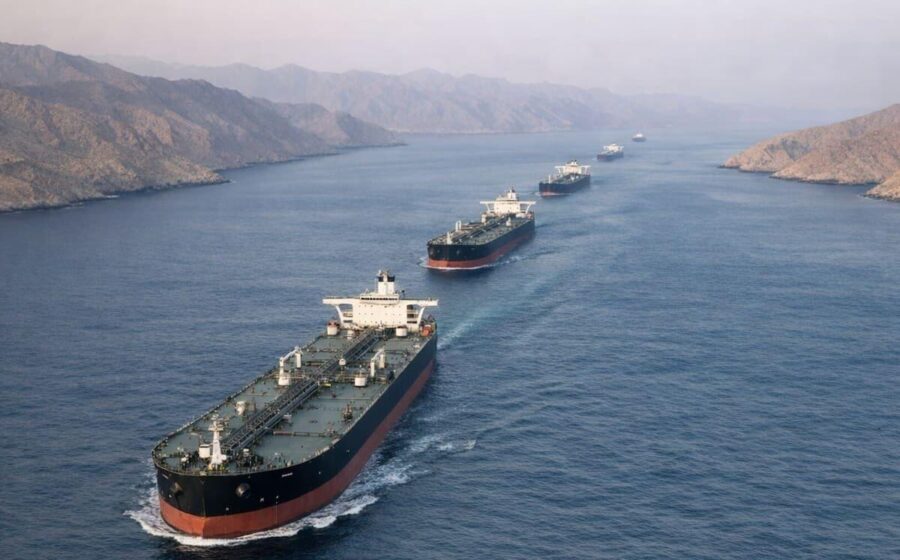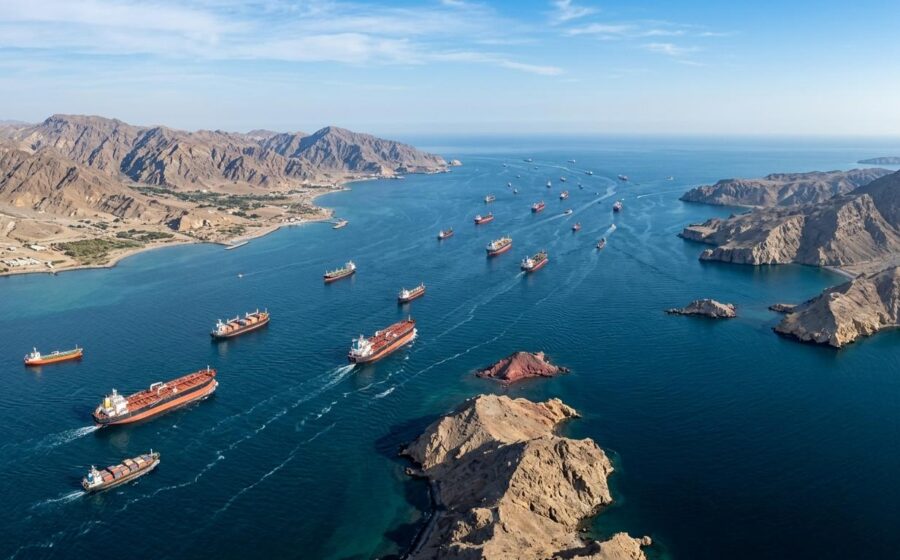


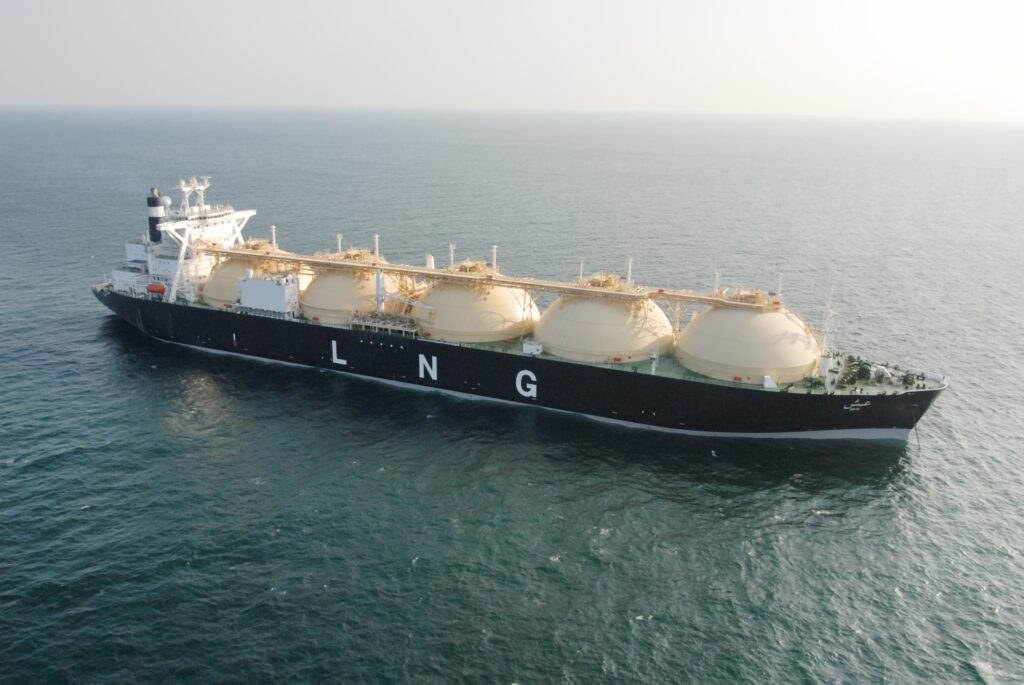
Laden liquefied natural gas (LNG) tanker traffic through the Strait of Hormuz rose to its highest monthly level since the war involving Iran began, with 31 vessels exiting the strategic waterway in October, according to vessel-tracking data cited by Reuters. The increase points to a gradual recovery in Gulf energy exports, although the figures remain far below a full return to normal for Qatar.
The 31 tankers recorded by S&P Global Energy comprised 23 vessels loaded at Qatar’s Ras Laffan export complex and eight loaded at Das Island in the United Arab Emirates. The October total was up from 23 laden tankers exiting the strait in September and was the highest monthly tally since February, when the conflict began.
A separate measure from ship-tracking firm Kpler also indicated an increase in activity. It recorded 42 LNG cargoes loaded in October, compared with 27 in September. At Ras Laffan, loadings reached 35 cargoes and exceeded 2.7 million tonnes, the highest level since the start of the war, Kpler data showed. Qatar exported almost 6.2 million tonnes in February, before the disruption.
The two sets of figures track different aspects of the trade: S&P Global’s tally counts laden tankers exiting Hormuz, while Kpler’s figures cited by Reuters count cargoes loaded. They should not be treated as interchangeable measures of completed exports or total shipping movements.
The recovery has been uneven between the Gulf’s two LNG exporters. “We are looking at UAE back to pre-war transit levels and Qatar at over 30% of pre-war Hormuz transits,” Eric Yep, a senior principal analyst at S&P Global Energy, told Reuters.
The assessment suggests that vessels carrying UAE cargoes have recovered to their earlier transit pattern, while Qatari movements remain substantially below their pre-war level. It also underlines the difference between an increase in the number of ships moving through the strait and a restoration of the region’s lost LNG production capacity.
Qatar’s recovery remains constrained
Qatar’s Ras Laffan complex is central to the global LNG market. Before the conflict, the Strait of Hormuz carried almost one-fifth of global LNG supply, the International Energy Agency said in its third-quarter 2026 Gas Market Report. The disruption to those flows created a major supply shock and contributed to volatility in international gas prices.
The shipping rebound does not mean Qatar has recovered all the production capacity damaged during the conflict. QatarEnergy said in March that two of its 14 LNG production trains had been damaged in missile strikes, taking about 17 per cent of the country’s LNG export capacity offline. The company estimated that repairs would take between three and five years and said the damage would affect supplies to markets in Europe and Asia, according to S&P Global Energy.
The October data therefore show that more cargoes are moving through the export route, not that the lost capacity has been restored. The distinction matters because the volume available for export depends both on production at the liquefaction facilities and on the ability of tankers to load and pass through Hormuz.
Kpler data also showed that seven LNG cargoes were loaded at the UAE’s Das Island in October, unchanged from September. That figure differs from S&P Global’s count of eight UAE-loaded tankers exiting the strait. The providers are measuring separate stages of the shipping chain, and the Reuters report did not reconcile the difference.
Cargoes are being transferred at sea
The Reuters report also identified two shipments from Ras Laffan that were transferred between vessels off Oman’s Sohar anchorage after exiting the strait.
The LNG tanker SC Prestige transferred its cargo to the BW ENN Crystal Sky, which was then bound for South Korea, according to Kpler data. Another vessel, Al Mafyar, transferred LNG to Shandong Redwood and Ejnan; both vessels subsequently delivered their cargoes to Pakistan.
The ship-to-ship transfers illustrate how cargoes are being moved through a disrupted trade network. They also mean that the vessel initially carrying a cargo out of the Gulf may not be the ship that completes the delivery to the buyer. The available data do not establish why the transfers were arranged, and they should not be taken as evidence of a particular security or sanctions-avoidance strategy.
The wider shipping environment remains difficult. S&P Global reported on 2 November that overall traffic through Hormuz had risen in October, but warned that the operating environment remained volatile, with reports of projectile strikes, vessel fires and other security incidents. The report quoted International Maritime Organization Secretary-General Arsenio Dominguez as saying the organisation had registered about 30 attacks in October. He said the IMO could not guarantee the strait was safe and was not recommending that vessels transit it while uncertainty over possible mines remained.
Those warnings underline why higher monthly traffic should not be confused with safe or unrestricted passage. Shipping companies and energy traders must still weigh the commercial value of moving cargoes against insurance, security and operational risks.
Asian buyers continue to seek alternatives
The disruption has also changed how LNG buyers think about supply security. India’s importers, which rely heavily on Qatari gas, are seeking more flexible long-term contracts after the conflict almost halted imports from Qatar, The Economic Times reported on 10 November.
Gujarat Energy signed a 10-year agreement with Abu Dhabi National Oil Company for four million tonnes of LNG from 2028, while Petronet LNG is negotiating to include US-sourced gas in a renewed long-term agreement with QatarEnergy, according to the report. The moves reflect efforts to reduce reliance on a single production site or shipping route.
The IEA has said that additional LNG from producers outside the Gulf helped offset part of the regional shortfall during the first half of 2026. It nevertheless warned that uncertainty over the recovery of Gulf exports could keep global gas markets tighter than previously expected.
For importers in Asia and Europe, October’s rise in tanker traffic is a positive sign, but it does not yet remove the supply risks created by the conflict. Qatar’s output remains affected by damaged facilities, while shipping through Hormuz continues to face security concerns.
The latest figures point to more LNG moving out of the Gulf than in previous months. Whether that becomes a sustained recovery will depend on the condition of export infrastructure, the availability of vessels and the ability of ships to use the strait consistently and safely.