

DUBAI/WASHINGTON — U.S. and Pakistani leaders have signalled that a framework agreement with Iran may be close, but Tehran has not confirmed a final signing timetable and officials on all sides continue to describe important elements as provisional.
What has been announced
U.S. President Donald Trump said the agreement was scheduled for Sunday, while Pakistan’s prime minister said preparations were being made for an electronic signing followed by technical talks. Iranian officials were more cautious. Iran’s Foreign Ministry said a final decision had not been taken, and state-linked reporting indicated that political, legal and technical reviews were continuing.
Qatari negotiators travelled to Tehran as part of efforts to narrow remaining differences. Qatar and Pakistan have emerged as important intermediaries because both maintain channels with Washington and Tehran and have a direct interest in restoring commercial traffic through the Gulf.
The difference between an announced target date and a completed agreement is significant. In complex ceasefire and sanctions negotiations, the text, sequencing and verification arrangements often matter more than the political declaration. A framework can establish direction without resolving the disputes that caused the conflict.
What the reported framework covers
People briefed on the draft have said the initial package links the reopening of the Strait of Hormuz to a gradual lifting of the U.S. naval blockade. The waterway carried a large share of global oil shipments before the war and remains central to the economic interests of Gulf exporters, Asian buyers and international shipping companies.
Reported financial provisions include the release of frozen Iranian assets and temporary relief from restrictions on oil sales. Nuclear questions would be handled in a subsequent negotiating period rather than settled in the opening memorandum.
That structure is intended to deal first with the most immediate security and economic risks. It would create a mechanism for restoring navigation and reducing attacks while postponing the most technically difficult nuclear questions. The approach may make an initial agreement easier to reach, but it also leaves major disputes unresolved.
Why Tehran remains cautious
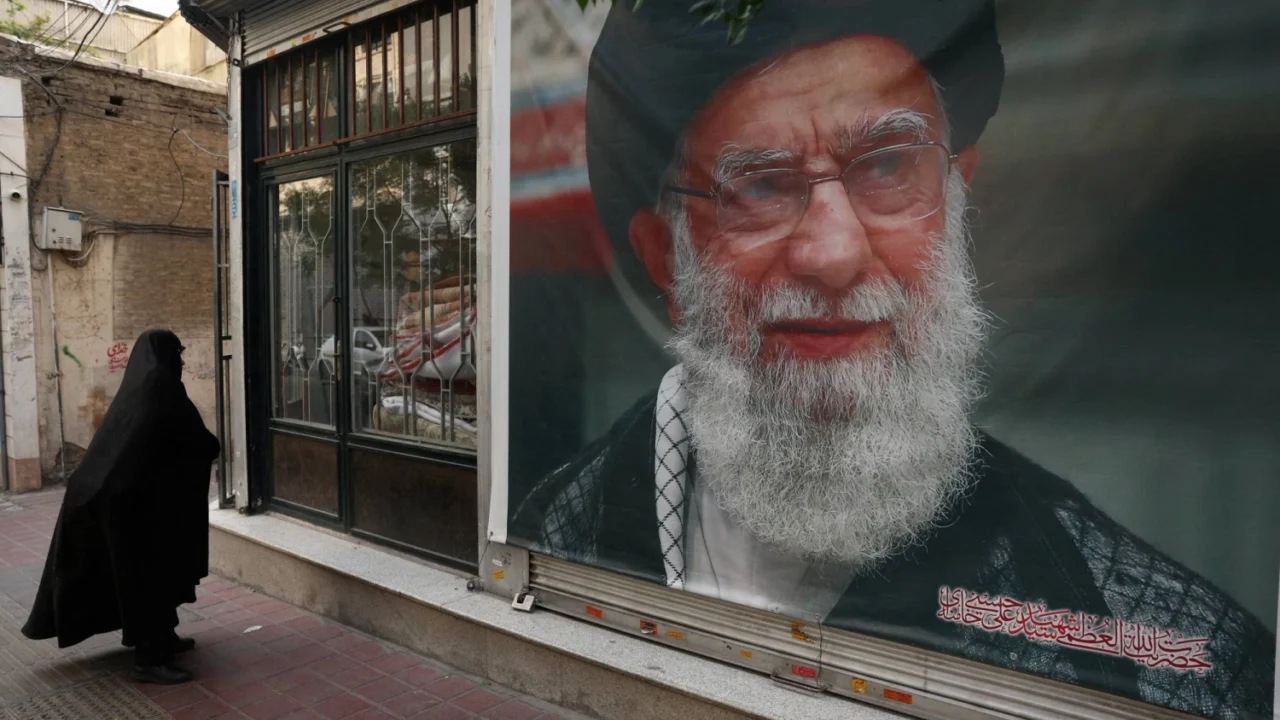
Iran’s leadership faces pressure from several directions. Hardline constituencies oppose concessions to Washington, while businesses and households have suffered from conflict, sanctions, damaged infrastructure and restrictions on trade. Any agreement must therefore be presented domestically as providing tangible security and economic benefits.
Officials also need clarity on whether asset releases and sanctions waivers can be implemented without later legal or banking obstacles. A political promise to release funds does not automatically guarantee that international banks, insurers and commodity traders will process transactions. Institutions require written authorisations, compliance guidance and confidence that penalties will not be imposed retroactively.
The nuclear provisions are equally sensitive. Iran has consistently said its programme is for civilian purposes, while the United States and Israel have demanded tighter restrictions and verification. A temporary commitment to maintain the status quo would buy time, but it would not answer questions about enrichment levels, existing stockpiles or the long-term future of nuclear facilities.
Regional risks have not disappeared
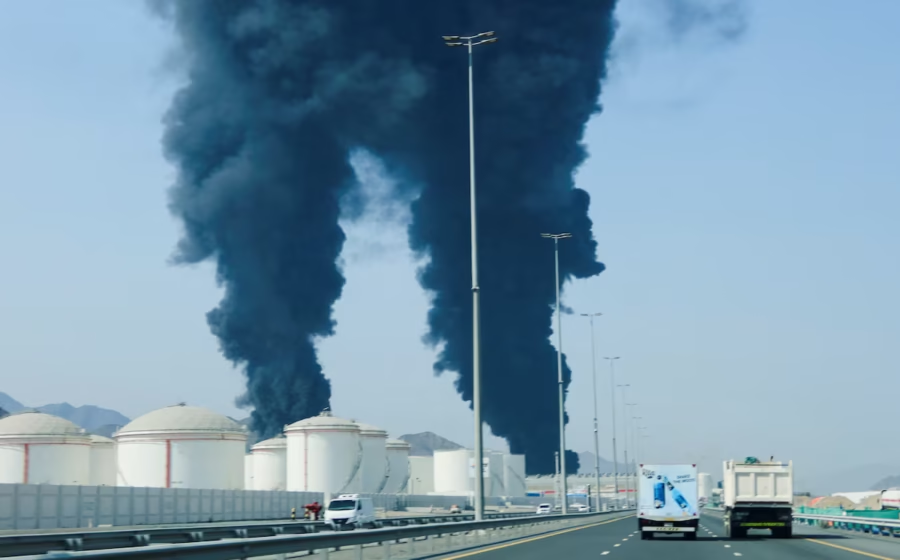
Military activity has continued while negotiations advance. U.S. forces have reported intercepting Iranian drones, and Israel has struck Hezbollah-linked targets in Beirut’s southern suburbs after projectiles were fired toward northern Israel.
Israel is not a party to the reported U.S.-Iran framework and has signalled that it intends to retain operational freedom in Lebanon. Iran, meanwhile, has linked regional de-escalation to the treatment of its allies. Those differences create a risk that an incident outside the direct U.S.-Iran channel could disrupt the wider process.
Gulf governments are seeking a reduction in risk because the conflict has affected tourism, aviation, port operations, insurance costs and investor confidence. Their priority is not only a formal ceasefire but a durable system that prevents repeated escalation around energy infrastructure and commercial routes.
What to watch next
The first test is whether the parties publish a jointly recognised document rather than separate descriptions of the same deal. The second is whether operational instructions are issued to naval forces, port authorities, shipping companies and financial institutions.
Markets will also watch for evidence that commercial vessels can transit the Strait of Hormuz safely and predictably. A few successful crossings would be encouraging, but normal trade requires regular traffic, functioning insurance markets and confidence that vessels will not be targeted.
The final issue is the timetable for nuclear talks. If technical negotiations begin quickly and produce verifiable steps, the framework could become the foundation for a broader settlement. If the parties continue to dispute the meaning of the opening memorandum, the agreement may prove to be only a temporary pause.