


The US president says further military action against Iran is unlikely for now following talks with Qatar’s prime minister, but Washington will maintain its naval blockade as Tehran insists its conditions must be met before negotiations can advance.
US President Donald Trump has indicated that Washington will hold off on fresh military strikes against Iran following appeals from Qatar and other Gulf countries, as diplomatic efforts to end the conflict gather momentum.
Speaking at the White House on Monday, November 9, after meeting Qatari Prime Minister and Foreign Minister Sheikh Mohammed bin Abdulrahman Al-Thani, Trump described the conflict as militarily “effectively over” and said the United States was maintaining the existing situation rather than preparing an immediate return to large-scale bombardment.
However, the president made clear that American forces remained ready to respond if circumstances changed. Washington also intends to maintain its naval blockade against Iran, leaving a major point of disagreement between the two countries unresolved.
The discussions involved Trump’s meeting with the Qatari prime minister and separate talks with Vice President JD Vance. Qatar has been acting as an intermediary between Washington and Tehran, attempting to narrow differences over Iran’s nuclear programme, sanctions and restrictions on shipping through the Strait of Hormuz.
Although both Trump and the Qatari prime minister described their discussions positively, neither government announced a final agreement. Iranian officials have also continued to insist that Washington must take practical steps towards meeting Tehran’s demands before meaningful negotiations can begin.
Trump signals restraint but maintains military pressure
Trump’s latest remarks represent a significant shift in tone after months of uncertainty over whether the United States would resume major attacks against Iran.
Following the November 3 US midterm elections, attention had focused on the possibility that Washington might intensify its military campaign once the domestic electoral contest had ended.
Instead, Trump said on Monday that military action did not currently appear necessary, while maintaining that American forces were prepared to act if developments required it.
At a subsequent White House briefing, he said Iran’s military capabilities had been substantially weakened and described the war as “militarily effectively over”.
He nevertheless stressed that the United States wanted a lasting arrangement that would prevent Iran from acquiring nuclear weapons.
Trump also identified the positions of Qatar, Saudi Arabia, the United Arab Emirates, Bahrain and Kuwait as important considerations in his decision to avoid further military action.
According to his statements, these regional governments preferred maintaining the current situation rather than opening another round of attacks.
The position is not the same as a formal end to hostilities. The American naval blockade remains in place, and Washington has not abandoned its readiness to resume military operations.
The distinction is important because continued restrictions on Iranian shipping and unresolved security disagreements leave both sides with significant leverage over the negotiations.

Qatar steps up efforts to bridge differences
Qatar’s diplomatic role has become increasingly important as Washington and Tehran attempt to establish a framework for ending the conflict.
Sheikh Mohammed bin Abdulrahman Al-Thani travelled to Washington after visiting Tehran the previous week. His discussions with Trump and Vance were aimed at advancing indirect negotiations and creating further opportunities for diplomatic engagement.
Following the meetings, the Qatari prime minister confirmed that he had discussed regional developments and ways to advance negotiations between the United States and Iran.
In a statement on X, he described the discussions as positive and expressed appreciation for the opportunity to work towards an agreement and regional peace.
Trump also welcomed the meeting, describing his conversation with the Qatari leader as excellent and saying diplomatic efforts were showing positive momentum towards ending the conflict.
Anadolu Agency reported on November 10 that the Qatari prime minister had publicly confirmed the discussions with both Trump and Vance.
Qatar’s importance comes from its ability to maintain communication with both sides at a time when direct negotiations remain difficult.
Rather than relying on a single formal negotiating channel, Doha has been working to convey proposals, discuss possible compromises and encourage the parties to avoid further escalation.
However, positive diplomatic language does not establish that the disagreements have been resolved. The competing proposals still involve substantial differences over sanctions, maritime security and Iran’s nuclear programme.
Iran insists Washington must meet its conditions
Tehran has maintained that negotiations cannot advance without changes to American policy.
Iranian Foreign Ministry spokesperson Esmaeil Baghaei defended the country’s latest proposal for restarting peace talks, describing it as a reasonable basis for reaching an understanding.
The proposal seeks to address several central disputes, including the US naval blockade, economic sanctions and the continuation of military operations.
According to Reuters reporting, Iran wants Washington to lift its blockade of Iranian ports, remove certain sanctions and halt attacks before negotiations begin. Tehran has offered to end its own restrictions on shipping through the Strait of Hormuz as part of a reciprocal arrangement.
Negotiations over the nuclear programme and additional sanctions would follow at a later stage.
Iran had previously presented a seven-day framework but subsequently discussed restarting talks within two days, making the proposed diplomatic timetable shorter.
Baghaei challenged Washington’s criticism of the Iranian conditions, questioning why Iran should be expected to negotiate while economic and military pressure remains in place.
The United States has rejected the proposal in its current form.
Secretary of State Marco Rubio described Tehran’s demands as unrealistic, while maintaining that a diplomatic agreement would need to address the nuclear issue rather than postpone it indefinitely.
Trump has also insisted that preventing Iran from obtaining nuclear weapons remains non-negotiable.
This disagreement over the sequence of commitments represents one of the principal obstacles facing the mediators.
Conflicting accounts emerge over possible Vance-Iran meeting
Diplomatic activity has also generated uncertainty about whether further direct discussions could take place in Qatar.
Turkish intelligence chief Ibrahim Kalin said on Monday that US Vice President JD Vance and Iran’s Supreme National Security Council secretary Mohsen Rezaei were expected to meet in Doha the following week.
According to Kalin, the proposed meeting could offer an opportunity to advance negotiations and address the differences between Washington and Tehran.
He also said regional mediators were working towards a broader seven-point agreement involving sanctions relief, frozen Iranian assets, nuclear commitments and the reopening of the Strait of Hormuz.
However, the reported meeting has not been confirmed by both governments.
An Iranian security official, cited by the IRGC-affiliated Tasnim news agency, denied that a meeting had been planned. The official reiterated that Tehran would not consider negotiations until Washington took practical steps towards accepting Iran’s conditions.
The conflicting accounts illustrate the difficulty of assessing the progress of indirect negotiations.
While regional mediators have indicated that further diplomatic contacts are possible, Tehran has continued to publicly reject the idea that it will participate in discussions without prior concessions.
Gulf governments seek to prevent a wider regional conflict
The diplomatic push reflects concerns among Gulf governments that renewed US-Iran hostilities could threaten regional stability.
The United Arab Emirates has also urged caution over expectations of a rapid settlement.
Senior Emirati official Anwar Gargash warned on Monday that the region could face a prolonged period of uncertainty, arguing that a comprehensive political agreement between Washington and Tehran would be difficult to achieve.
He said regional governments should prepare for a situation in which neither a decisive resolution nor a stable regional security arrangement could be taken for granted.
The concerns extend beyond the immediate military confrontation.
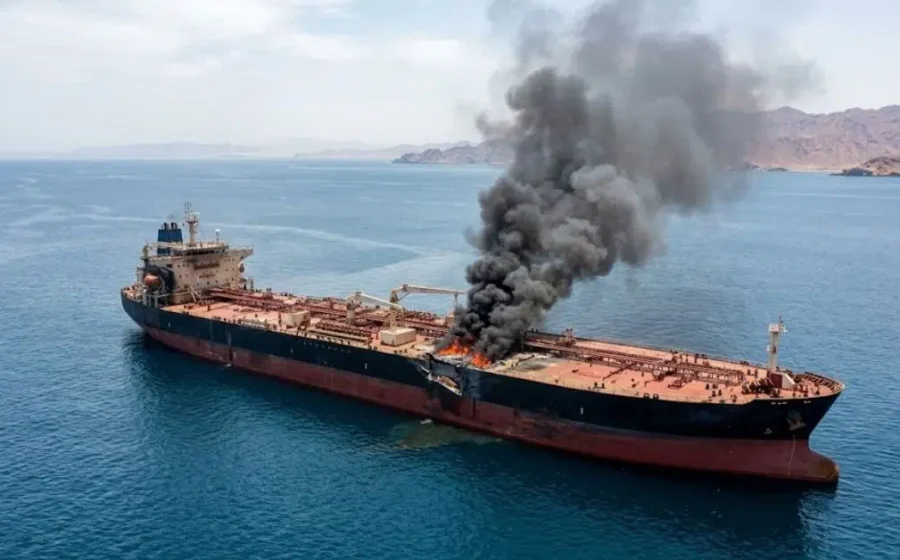
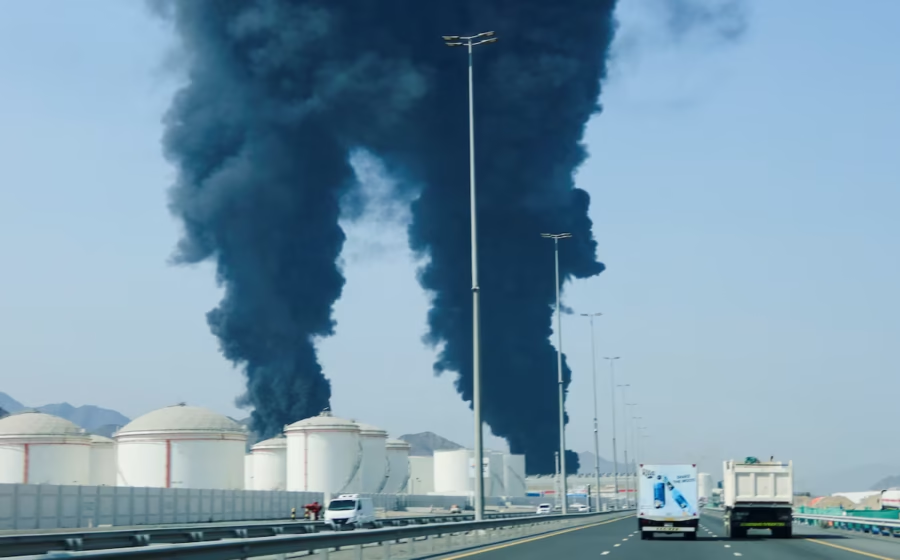
Restrictions affecting the Strait of Hormuz have consequences for energy exports, commercial shipping and international trade. Any deterioration in the security situation could increase economic pressure across Gulf countries and beyond.
The diplomatic challenge is therefore not limited to securing an agreement between two governments. It also involves restoring confidence among neighbouring states and creating conditions under which commercial shipping and regional economic activity can operate more reliably.
Major disagreements remain despite diplomatic momentum
Despite the more conciliatory tone following the Washington meeting, there are few signs that a comprehensive agreement is imminent.
Washington wants firm guarantees that Iran will not acquire nuclear weapons, alongside arrangements addressing inspections and restrictions on its nuclear programme.
Tehran, meanwhile, continues to demand sanctions relief, the lifting of the American naval blockade and an end to military operations before it proceeds with negotiations.
These competing positions leave the mediators with the difficult task of determining which commitments should come first and how compliance could be verified.
There are also questions about whether any agreement would be limited to maritime security and nuclear issues or would include wider regional arrangements.
For Qatar, the immediate priority appears to be keeping diplomatic communication active and preventing another escalation while proposals are considered.
For Washington and Tehran, the challenge will be converting encouraging public statements into practical commitments.
Trump’s decision to hold off on fresh strikes offers a possible opening for diplomacy, but maintaining the naval blockade while demanding nuclear concessions means the confrontation has not been resolved.
As regional mediators continue their efforts, the coming days could prove important in determining whether the current pause develops into a negotiated settlement or another temporary interruption in a prolonged conflict.