

Iran is facing the prospect of a severe natural gas shortage this winter, with damage to processing facilities, years of underinvestment and exceptionally high domestic consumption combining to place the country’s energy system under growing pressure.
The head of the National Iranian Gas Company, Saeed Tavakoli, warned on 1 November that attacks on four gas-processing facilities had removed around 230 million cubic metres of daily processing capacity. Although repairs had restored approximately 100 million cubic metres, about 130 million cubic metres of capacity remained unavailable, according to figures reported by Iran International.
Tavakoli warned that the country could face a peak winter gas shortfall of approximately 400 million cubic metres a day. The estimate refers to periods of maximum seasonal demand rather than a continuous daily deficit throughout the year.
The warning exposes a serious vulnerability for a country that possesses some of the world’s largest natural gas reserves but has struggled to maintain sufficient production, processing and distribution capacity. As temperatures fall, households, power stations and industrial facilities will compete for supplies, increasing the likelihood of restrictions on factories and other major consumers.
The latest damage has intensified a problem that predates the current conflict. Iran’s energy sector has faced years of inadequate investment, sanctions-related constraints, ageing infrastructure and heavily subsidised domestic consumption. The war has added another layer of pressure by damaging facilities needed to process and deliver gas.
War damage compounds an existing energy crisis
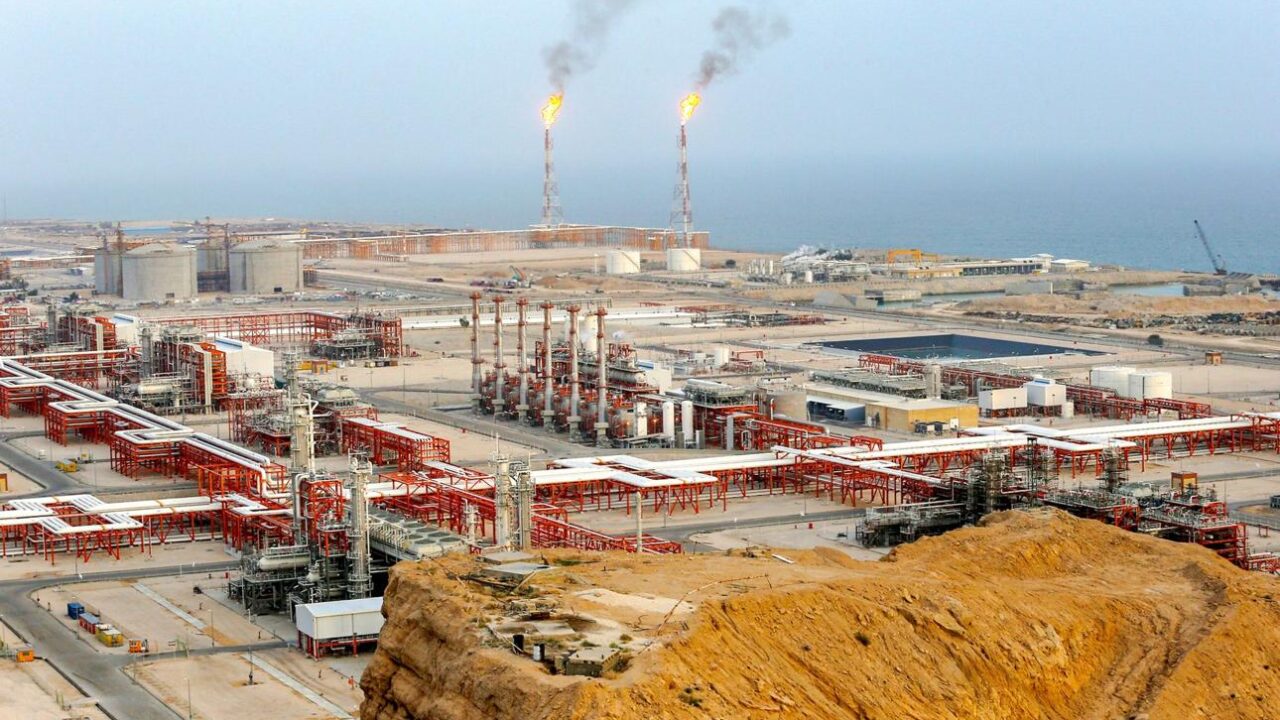
Iran’s gas infrastructure has been affected by attacks during the conflict, with four processing facilities identified by Tavakoli as having lost a combined 230 million cubic metres of daily capacity.
Processing plants are essential to the country’s energy system because gas extracted from underground reservoirs must be treated and processed before it can be delivered to consumers. Damage at these facilities can therefore affect the volume of usable gas reaching homes, power stations and industrial customers, even when the country retains substantial underground reserves.
The reported restoration of around 100 million cubic metres of capacity represents progress, but the remaining 130 million cubic metres is a significant constraint as winter approaches.
The consequences are already being felt in industry. Iran International reported that gas supplies to cement plants were cut from 23 October, citing an industry representative. Some factories were forced to switch to fuel oil to maintain operations.
Such measures can help preserve supplies for households, particularly when heating demand rises. But they also create economic and environmental costs. Fuel oil is generally more polluting than natural gas, and switching fuels can increase operating expenses for industrial producers.
South Pars remains central to Iran’s supply security
The country’s dependence on the South Pars gas field makes the condition of its production infrastructure especially important. Shared with Qatar, South Pars is a major source of Iran’s domestic gas supply and a foundation of its energy system.
Damage to facilities associated with the field has raised concerns about the ability of the country to maintain production and meet domestic demand. Iranian state media previously reported that damage at South Pars Phase 14 temporarily halted around 12 million cubic metres of daily gas production.
Reuters reported in September, citing an Iranian official, that approximately half of the damaged South Pars capacity had been restored. The restoration figures have not been independently verified in full.
Beyond the immediate effects of attacks, the field faces longer-term technical challenges. Declining reservoir pressure and the need for investment in advanced equipment make maintaining output increasingly difficult. These challenges are particularly significant because South Pars must support both domestic consumption and Iran’s ambitions to supply regional markets.
Why a gas-rich country is struggling to meet winter demand
Iran’s shortage is not simply a question of how much gas exists underground. The country must extract, process, transport and distribute enough fuel to meet demand that rises sharply during cold weather.
The US Energy Information Administration estimated that Iran produced approximately 9.4 trillion cubic feet of natural gas in 2023 and consumed around 8.9 trillion cubic feet. While those annual figures suggest a relatively narrow surplus, they conceal the seasonal imbalance that becomes more pronounced during winter.
Household heating is a major driver of demand. Natural gas is also used extensively by power stations, industries and commercial consumers. When temperatures fall, residential consumption can rise sharply, leaving less fuel available for factories and other large users.
Iran’s heavily subsidised energy prices have encouraged high consumption, while limited investment in efficiency has made it difficult to reduce demand. Low domestic prices have political and social importance, but they also weaken incentives to conserve fuel and place pressure on public finances.
Industrial restrictions reveal the scale of the problem
Gas rationing for cement producers illustrates how authorities may attempt to manage shortages. Cutting industrial supplies can protect households from immediate heating disruptions, but the consequences extend into production, employment and the cost of construction materials.
Factories that switch to alternative fuels face higher expenses and may operate less efficiently. If restrictions continue or expand, the impact could spread across industrial supply chains at a time when the economy is already dealing with the consequences of conflict and sanctions.
The environmental consequences are also significant. Greater reliance on fuel oil can worsen air pollution, particularly in urban and industrial areas where air quality is already a concern.
Iran’s authorities therefore face a difficult allocation problem: maintaining household heating, supporting electricity generation and preventing further disruption to industries that contribute to employment and government revenue.
Russia emerges as a possible source of additional gas
Tehran has increasingly looked towards Moscow for help as its domestic energy pressures intensify.
Iranian security official Mohsen Rezaei said after meeting Russian President Vladimir Putin in Moscow on 5 November that the two countries had discussed pipeline arrangements intended to ease Iran’s gas shortages and potentially supply neighbouring markets.
The discussions reflect a broader effort by Iran and Russia to expand energy cooperation. Gazprom and the National Iranian Gas Company signed a memorandum of understanding in June 2024, while Putin outlined a possible arrangement in January 2025 involving initial Russian supplies of two billion cubic metres annually, with a longer-term ambition of reaching 55 billion cubic metres.
However, the proposed volumes should not be confused with confirmed deliveries. A firm timetable, financing arrangements and the infrastructure required to support the larger volumes remain unresolved.
Imports would offer limited immediate relief
Even if the initial proposal were implemented, the volume would be relatively small compared with Iran’s estimated winter shortfall.
Two billion cubic metres annually would average approximately 5.5 million cubic metres a day. That is less than two per cent of the peak winter deficit of around 400 million cubic metres cited by Tavakoli.
The comparison illustrates the limits of relying on imports as an immediate solution. Russian supplies could provide useful additional gas to particular regions or industrial consumers, but they would not eliminate the national imbalance.
Larger deliveries would require substantial pipeline investment, transit arrangements and reliable commercial agreements. Existing infrastructure through neighbouring countries may provide a route for limited supplies, but the expansion required for the proposed long-term volumes would take time.
Pricing and payment arrangements also remain important obstacles. Iran’s domestic gas prices are heavily subsidised, making the economics of importing gas at international prices more complicated. Sanctions affecting banks, companies and infrastructure contractors could further complicate financing and implementation.
For Russia, meanwhile, Iran offers a potential market at a time when Moscow has been seeking alternative buyers for its energy exports. But the two countries’ cooperation remains subject to commercial and geopolitical considerations.
Sanctions and underinvestment complicate repairs
The damage caused by the war has exposed weaknesses that have developed over many years. Iran’s gas industry requires investment in processing equipment, pipeline infrastructure, maintenance and technologies needed to sustain production from mature fields.
Sanctions have restricted access to international finance and some advanced equipment, making large-scale projects more difficult. Foreign companies have also been cautious about committing capital to projects exposed to sanctions and geopolitical uncertainty.
Yet sanctions alone do not explain the crisis. Domestic pricing policies, limited investment in energy efficiency and the failure to modernise parts of the gas infrastructure have also contributed to the growing imbalance between supply and demand.
The challenge is particularly acute at South Pars, where maintaining production requires investment to address declining reservoir pressure. Without sustained development, the country risks facing greater difficulties even after damaged facilities have been repaired.
Energy security is becoming an economic and political test
A winter shortage could affect more than household heating. Restrictions on gas supplies to industry can disrupt production, increase costs and weaken employment at a time when businesses are already under pressure.
Power generation is another concern. Gas-fired plants are important to Iran’s electricity system, and competition for fuel between households and power stations could complicate efforts to maintain reliable electricity supplies during periods of high demand.
The government may be forced to rely on a combination of industrial rationing, alternative fuels, imports and conservation measures. Each option carries costs, and none offers a complete substitute for restoring domestic capacity and improving efficiency.
For ordinary households, the most immediate concern is whether heating and essential services will remain reliable through the coldest months. Any interruption would add to the economic strain already facing families.
A difficult winter could expose the limits of Iran’s energy strategy
Iran’s gas shortage is a striking contradiction for a country with enormous natural resources. Its difficulty lies not in the absence of reserves but in the gap between those reserves and the infrastructure, investment and policies required to turn them into dependable supplies.
The war has made that gap more urgent. The loss of processing capacity has reduced the system’s flexibility just as seasonal demand is expected to rise. Repairs have restored part of the damage, but the remaining shortfall leaves little room for further disruption.
Russian gas could provide some relief, although the proposed volumes and delivery arrangements remain uncertain. Even a successful import agreement would not resolve the underlying problems of ageing infrastructure, high consumption and insufficient investment.
The coming winter will therefore test the government’s ability to balance competing demands while protecting households and limiting damage to industry. More broadly, it will show whether Iran can begin rebuilding an energy system that has become increasingly vulnerable despite the country’s vast gas resources.