

Doha renews diplomatic efforts after Tehran dismisses its proposed settlement, with disagreements over nuclear commitments, oil sanctions and the Strait of Hormuz continuing to obstruct negotiations.
Qatari mediators return to Tehran as negotiations remain stalled
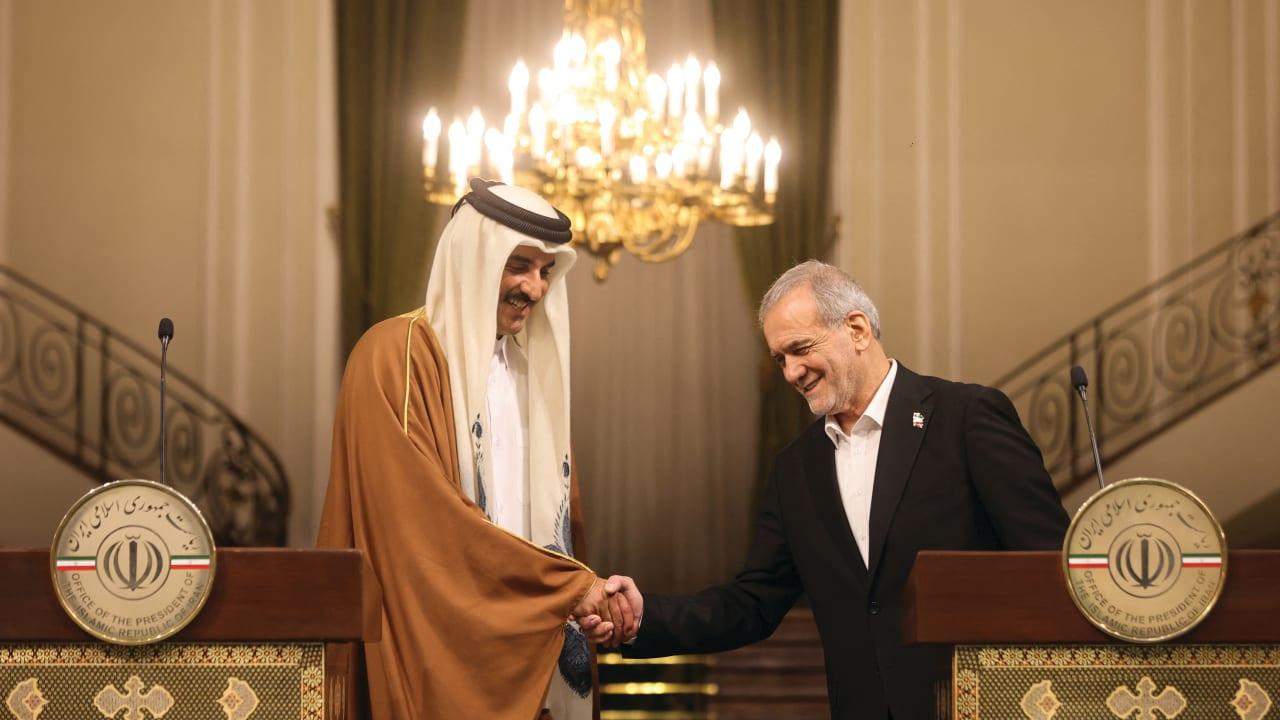
Qatar has renewed its diplomatic efforts to secure an agreement between the United States and Iran, sending mediators back to Tehran on Friday in an attempt to advance negotiations and prevent another escalation in the Middle East conflict.
The latest diplomatic mission comes after Tehran rejected proposals presented by Qatar earlier in the week, describing the ideas as unacceptable and insisting that its position on the nuclear programme would not change.
An official briefed on the negotiations told Reuters that the Qatari mediators had returned to the Iranian capital as part of efforts to reach an agreement between Washington and Tehran. The discussions were being coordinated with the United States, suggesting that communication between the two sides remains active despite the absence of a breakthrough.
Qatar had presented Iran with a draft peace plan on Sunday, according to an official familiar with the negotiations. However, a senior Iranian official subsequently challenged whether the proposals constituted a formal agreement offer, saying Tehran could not accept the ideas in their current form.
The renewed visit indicates that Doha has not abandoned its mediation efforts. But the differences between the two governments remain substantial, particularly over the order in which sanctions relief, maritime access and nuclear negotiations should be addressed.
Why Iran rejected Qatar’s latest proposal
The central difficulty facing Qatari mediators is that Washington and Tehran have different expectations about what a settlement should achieve and which commitments must come first.
According to Reuters reporting, the Qatari draft outlined a seven-day process involving confidence-building measures by both sides. The proposed arrangement was intended to address concerns in Washington and Tehran through a sequence of steps rather than requiring an immediate comprehensive settlement.
An official briefed on the discussions said several countries could potentially act as guarantors of an agreement. However, the identities, responsibilities and precise powers of any guarantors have not been publicly established.
A senior Iranian official told Reuters that the ideas presented by Qatar were unacceptable and did not amount to a genuine offer. The official also maintained that Tehran would not compromise on its nuclear position.
The distinction matters because a proposal being discussed by mediators does not necessarily represent an agreement accepted by either government. Tehran’s response indicates that the draft has not yet secured the political support required to move towards implementation.
For Qatar, the challenge is to identify terms that both governments can accept without either side appearing to surrender its principal negotiating demands.
Washington wants nuclear issues addressed from the beginning
The nuclear programme remains one of the most difficult issues in the negotiations.
The United States wants Iran’s nuclear activities included from the beginning of any discussions aimed at ending the conflict. Washington has consistently argued that nuclear-related concerns cannot be separated from the wider security arrangement.
Tehran, however, has resisted making concessions on the issue under the current conditions.
Iran’s position reflects its broader concern that a settlement focused primarily on nuclear restrictions could leave other sources of pressure on the country untouched. Iranian officials have therefore sought to link nuclear discussions with sanctions, maritime access and the wider security situation.
This disagreement creates a significant obstacle for mediators. If Washington insists that nuclear commitments must come before economic concessions, while Tehran demands sanctions relief and an end to the blockade first, neither side may be willing to take the initial step.
The possibility of international guarantees could help address concerns about whether commitments would be respected. But any such arrangement would need to establish clear obligations, monitoring procedures and consequences for violations.
Without those details, even a politically attractive agreement could prove difficult to implement.
Iran demands an end to the US blockade and oil sanctions
Tehran has made the removal of economic and maritime restrictions a central condition of its negotiating position.
Iran wants the United States to end its blockade of Iranian ports and lift sanctions affecting the country’s oil exports. These demands are closely connected to the wider economic pressure facing the Iranian government.
Restrictions on Iranian energy exports limit the country’s ability to generate revenue from one of its most important economic sectors. A blockade also creates uncertainty for shipping companies and businesses operating around Iranian ports and the Gulf.
Washington’s approach is different. The United States has maintained pressure on Tehran as part of its effort to secure concessions on security and nuclear-related issues.
The disagreement is therefore not simply about whether sanctions should be lifted. It concerns the sequence of actions required from both sides and the level of verification that would accompany any relaxation of restrictions.
For Iran, removing economic pressure before making further commitments is a way of ensuring that negotiations deliver immediate benefits. For Washington, providing relief before receiving meaningful assurances could reduce its leverage.
The result is a negotiating deadlock that Qatar must attempt to bridge.
The Strait of Hormuz remains central to the proposed settlement
The Strait of Hormuz has become one of the most important issues in the diplomatic discussions because of its significance to international energy supplies and maritime trade.
The waterway connects the Persian Gulf with the Gulf of Oman and provides a major route for oil and gas shipments from the region. Any prolonged disruption can affect shipping costs, insurance premiums and international energy prices.
Iran has linked the restoration of normal maritime passage to broader conditions, including a ceasefire and changes to the restrictions imposed by Washington.
Foreign Minister Abbas Araqchi said on Wednesday that Iran remained in close contact with intermediaries to examine ways of implementing its own seven-day plan to end the conflict. Tehran has suggested that the plan could be implemented in a shorter period if the necessary conditions are met.
Iran’s proposal and Qatar’s draft should not be confused. They represent separate diplomatic approaches, although both involve a short timetable and confidence-building measures.
The reopening of the strait would be significant for Gulf exporters and energy-importing countries. However, an announcement alone would not be sufficient to restore confidence among shipping operators. Commercial vessels would need assurances about safe passage, the absence of further restrictions and the reliability of any ceasefire arrangements.
For Qatar, the maritime issue is an important part of the broader negotiations because it connects the political dispute directly to international economic interests.
Qatar’s diplomatic position gives it an important role
Qatar has maintained diplomatic channels with a range of regional and international actors, allowing it to act as an intermediary during periods of heightened tension.
Its relationship with Washington and its communication with Tehran provide an opportunity to carry messages between governments that have struggled to negotiate directly.
Doha has also worked alongside Pakistan in efforts to facilitate an agreement. The involvement of regional mediators reflects a wider recognition that the conflict could have consequences extending far beyond Iran and the United States.
The latest diplomatic efforts have also taken place alongside discussions involving Saudi Arabia, Türkiye and Pakistan. Their engagement demonstrates that Gulf and neighbouring states have a direct interest in preventing the conflict from expanding.
However, Qatar’s influence should not be mistaken for the ability to impose a settlement. The final decision rests with the governments involved, and mediators can only make progress when both sides are prepared to consider compromises.
The rejection of the latest ideas illustrates this limitation. Even an arrangement supported by regional intermediaries cannot succeed if the principal parties disagree over its basic conditions.
Regional security and energy markets remain exposed
The failure to reach an agreement carries consequences for countries across the Middle East.
A prolonged confrontation could increase pressure on shipping routes, threaten energy infrastructure and make it more difficult for regional governments to maintain economic stability.
Saudi Arabia and other Gulf states have particular reasons to favour de-escalation. Their economies depend on secure trade routes, energy exports and continued international investment.
For countries such as India, the situation is also economically important. Higher oil prices and shipping costs can increase import expenditure and contribute to inflationary pressure. Disruption to maritime routes may also affect the cost and timing of energy deliveries.
The uncertainty surrounding negotiations can influence markets even before a formal decision is announced. Traders, shipping companies and insurers must consider the possibility that restrictions or military activity could intensify.
A credible agreement could reduce some of these risks, but it would need to provide more than a temporary pause in hostilities. It would require clear arrangements for maritime security, economic restrictions and the wider regional conflict.
A difficult path towards a possible agreement
Qatar’s return to Tehran on Friday demonstrates that diplomatic efforts remain under way, even after Iran rejected the latest proposals.
The renewed discussions could give mediators another opportunity to narrow differences over the nuclear programme, sanctions and the US blockade. However, there is currently no confirmed agreement to begin a new formal round of negotiations or implement the proposed seven-day framework.
The central challenge remains the sequencing of commitments. Washington wants nuclear issues addressed from the outset, while Tehran wants restrictions on its ports and oil exports addressed first.
For Qatar, the immediate task is to keep both sides engaged long enough to identify a compromise. For the United States and Iran, the question is whether either government is prepared to adjust its position to make an agreement possible.
Until those differences are resolved, the region will remain vulnerable to further escalation. The diplomatic channel is still open, but the distance between contact and a lasting settlement remains considerable.