

DUBAI — Regional indices have swung between military escalation and hopes that diplomacy could reopen trade routes. The development was reported by Reuters and has been rewritten independently for Telegraph Middle East.
What happened
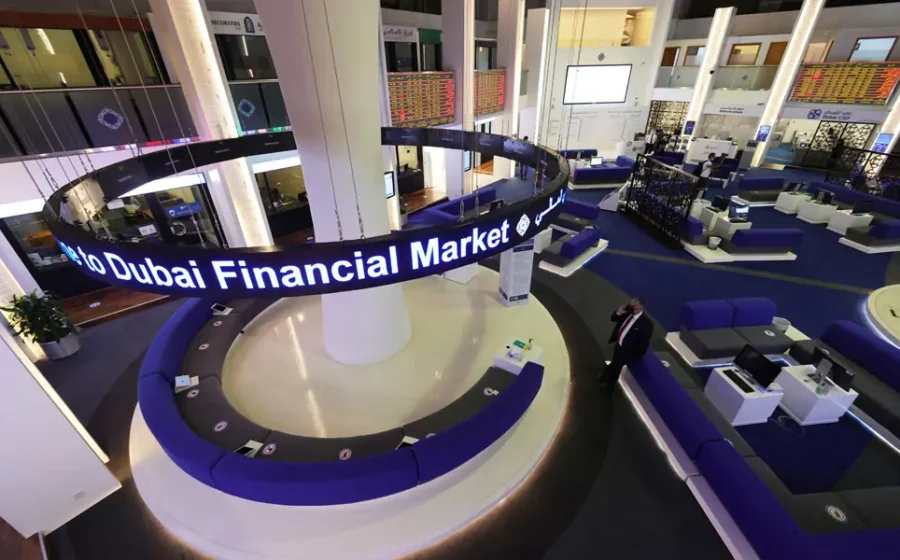
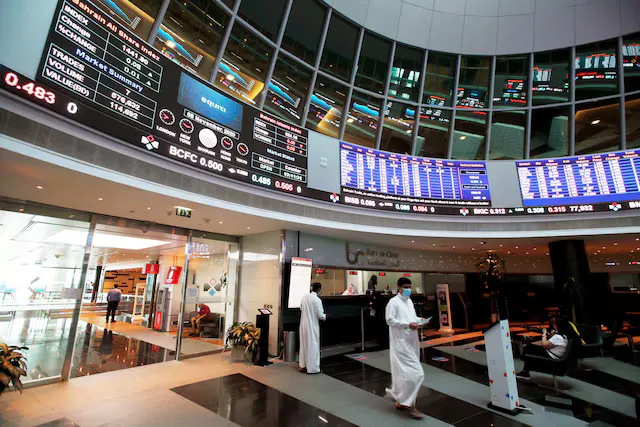
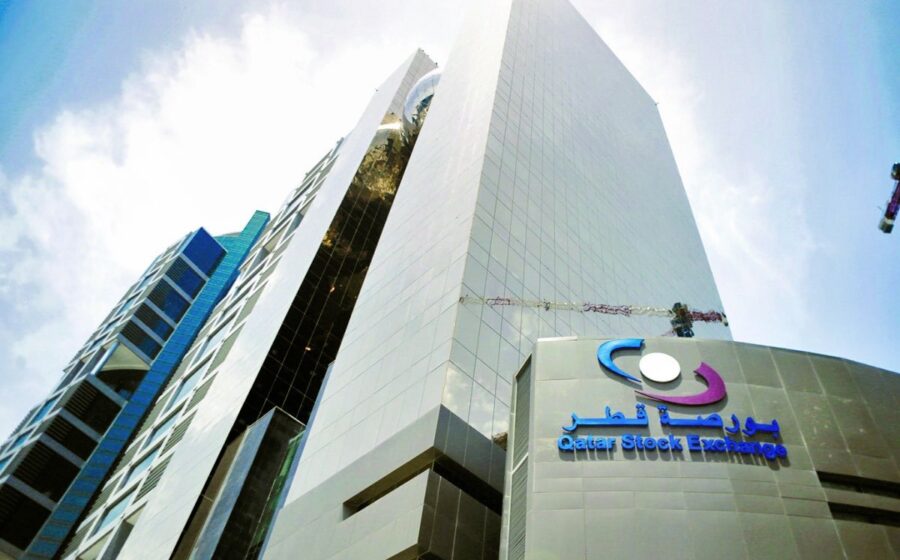
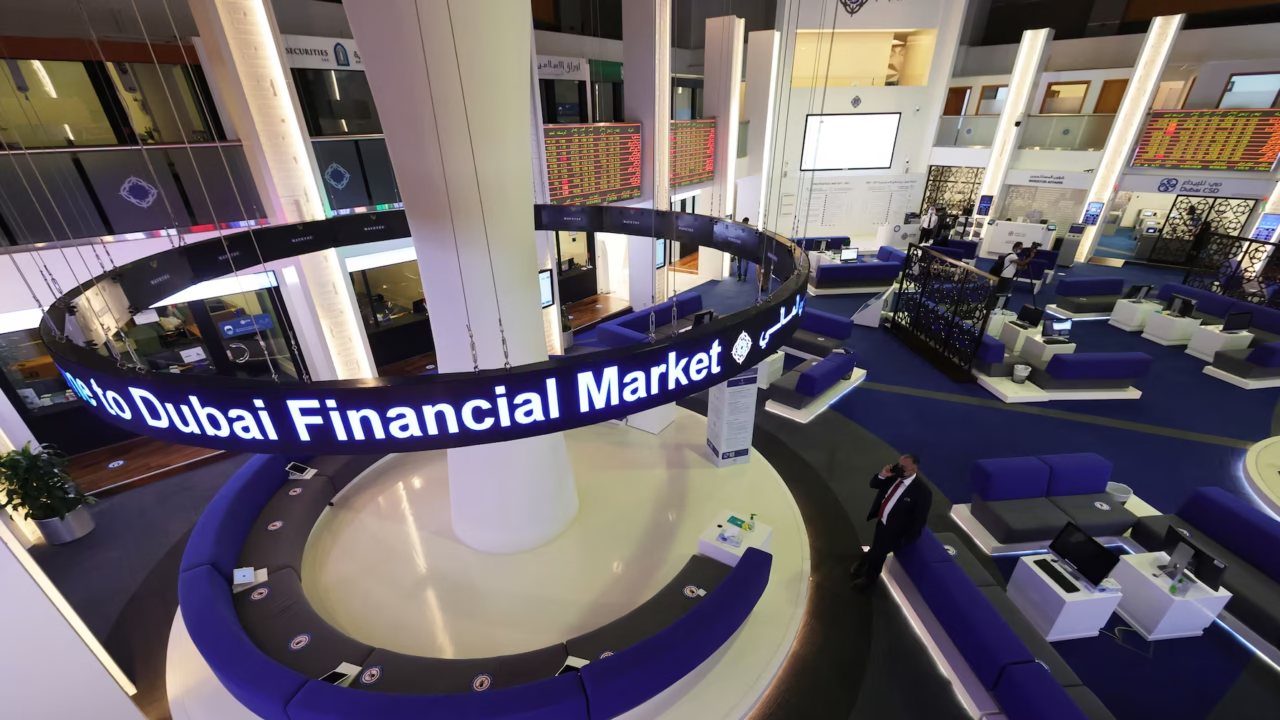
Dubai, Abu Dhabi and Qatar recorded declines during a renewed escalation. Saudi Arabia showed relative resilience in the cited session.
Banking, property, industrial and energy shares responded differently to oil prices and security risk. The public record should be read carefully because developing stories can change as agencies, governments or institutions release additional information.
Why it matters
Gulf equity performance is increasingly tied to physical shipping access and the credibility of diplomatic commitments.
Investors are distinguishing between issuers with financial buffers, reliable infrastructure and continued access to funding. Liquidity can improve before underlying geopolitical and operational risk has fully normalised.
For companies and investors, the practical questions are timing, enforceability and operating impact. A headline may change expectations quickly, but capital allocation normally follows confirmed rules, official documents and evidence that systems are functioning.
What to watch next
The initial signal is therefore important but not conclusive. The durable economic effect will depend on implementation, institutional capacity and whether the development changes real behaviour rather than only public expectations.
Track volatility, foreign ownership flows, bank funding costs and the performance of trade-sensitive sectors.
Editors should continue to compare subsequent announcements with the original source. Any material change to the date, figure, legal status, attribution or operational outcome should be reflected in the article’s updated time and, where necessary, a visible correction or clarification note.