

DUBAI — Energy-driven inflation pushed Europe’s central bank to tighten policy, with consequences for Gulf borrowing and investment. The National reported the underlying development, which Telegraph Middle East has reviewed for its regional business and policy significance.
What happened
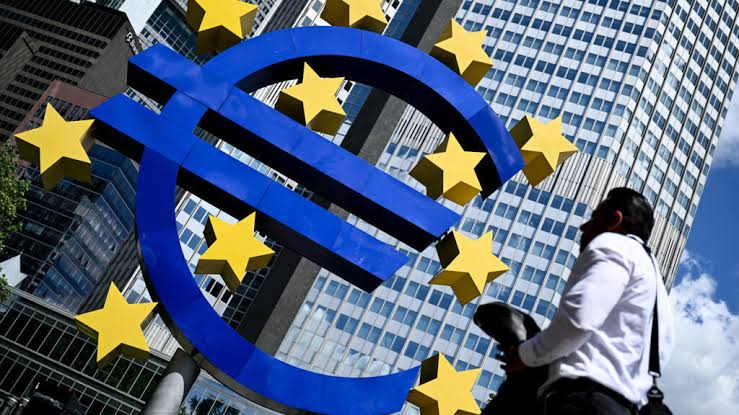
The ECB raised its deposit rate by 25 basis points to 2.25 percent. Higher energy costs linked to the war contributed to inflation pressure.
Gulf monetary conditions are affected through global rates, capital flows and currency pegs. The public record should be read carefully because developing stories can change as agencies, governments or institutions release additional information.
Why it matters
A regional energy shock can raise financing costs for companies and governments well beyond the Middle East.
Investors are distinguishing between issuers with financial buffers, reliable infrastructure and continued access to funding. Liquidity can improve before underlying geopolitical and operational risk has fully normalised.
For readers, the distinction between an announcement, a draft, a signed decision and implemented policy is essential. Telegraph Middle East will update this article if the source, timeline, figure or legal status changes materially.
What to watch next
The initial signal is therefore important but not conclusive. The durable economic effect will depend on implementation, institutional capacity and whether the development changes real behaviour rather than only public expectations.
Monitor the Federal Reserve, Gulf central banks, dollar liquidity and refinancing conditions.
Editors should continue to compare subsequent announcements with the original source. Any material change to the date, figure, legal status, attribution or operational outcome should be reflected in the article’s updated time and, where necessary, a visible correction or clarification note.