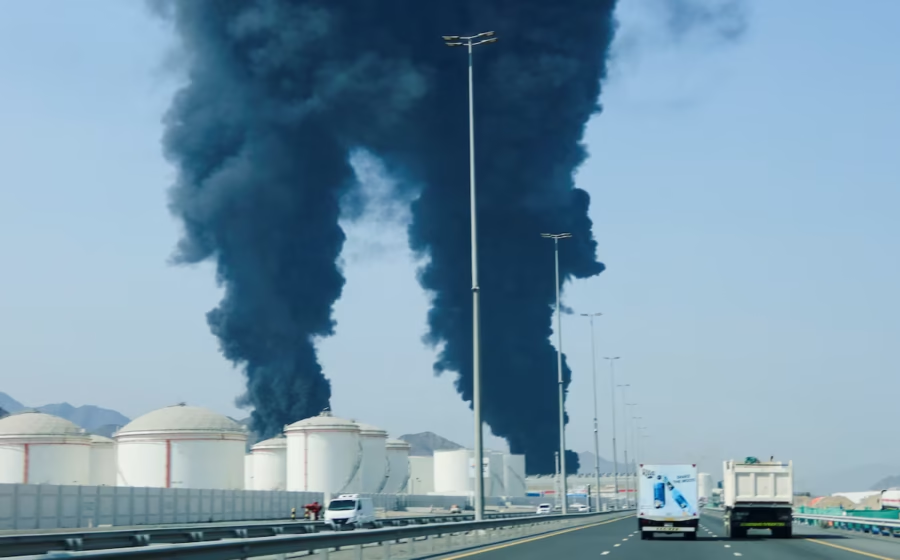


DUBAI — The US president presented a firm timetable, but Iranian statements remained more cautious about whether the deal was ready for signature. According to reporting by Reuters, the latest development adds a new layer to an already fast-moving regional story.
What happened
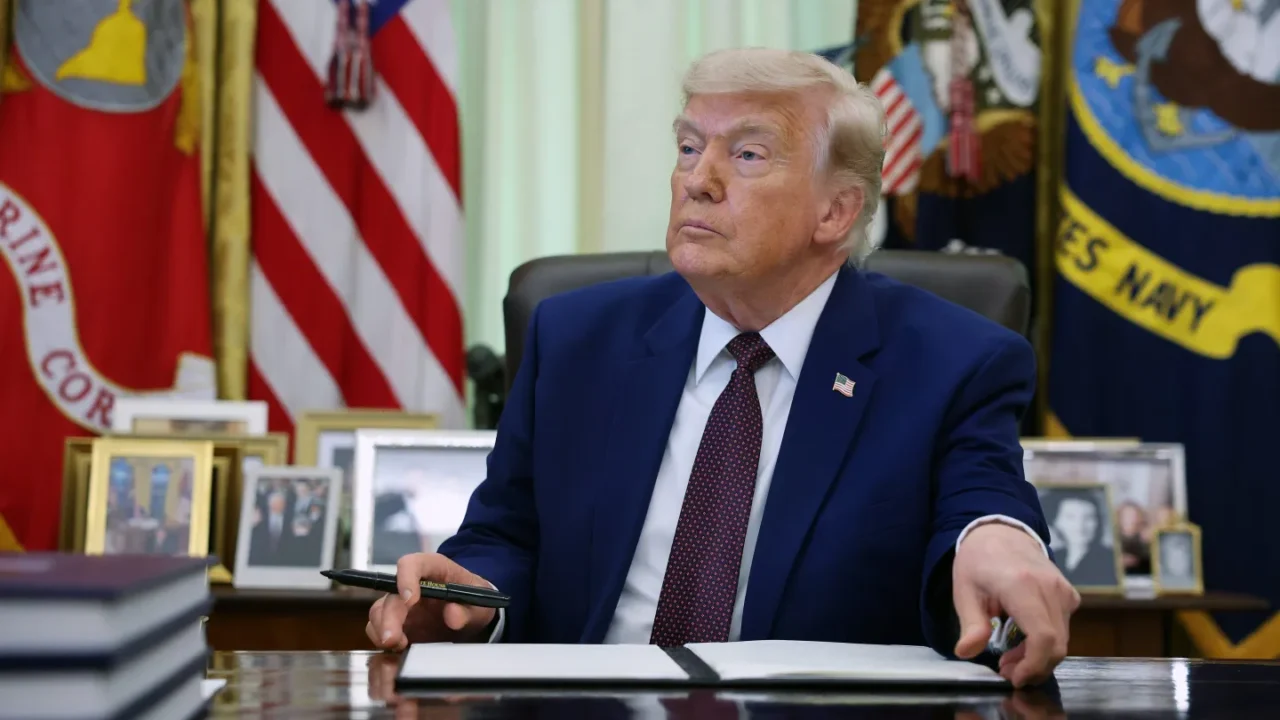
Donald Trump said an agreement with Iran was scheduled to be signed on Sunday. He said the Strait of Hormuz would be opened to all traffic after signing.
Iran had not publicly confirmed the same timetable at the time of the report. The public record should be read carefully because developing stories can change as agencies, governments or institutions release additional information.
Why it matters
A reopening commitment could influence oil, LNG, freight and insurance markets before physical maritime conditions have normalised.
For Gulf states, diplomacy is inseparable from trade routes, energy security, aviation and investor confidence. A public statement can move markets immediately, while implementation normally depends on several institutions and verification mechanisms.
For policymakers, the challenge is to communicate clearly enough that institutions, businesses and the public understand what has changed and what has not. Uncertainty can itself become an economic cost when it delays travel, hiring, investment or purchasing decisions.
What to watch next
The operational test will be whether authorities issue navigational guidance and commercial vessels return without new security incidents.
Editors should continue to compare subsequent announcements with the original source. Any material change to the date, figure, legal status, attribution or operational outcome should be reflected in the article’s updated time and, where necessary, a visible correction or clarification note.