

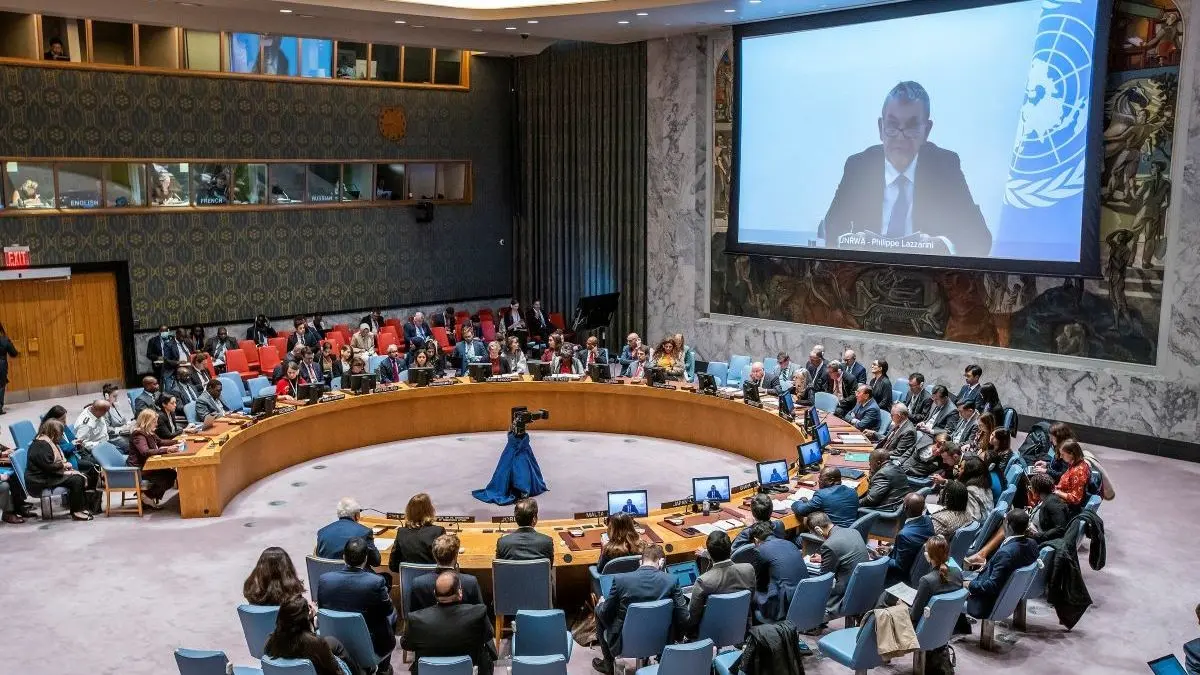
On November 14, 2025, Russia escalated diplomatic engagement at the United Nations by introducing its own draft resolution regarding the Gaza situation, directly challenging a US-backed proposal aiming to shape future peace and stability in the region. This move underscores the ongoing geopolitical contest surrounding Gaza and highlights the challenges faced by the international community in achieving a unified Security Council stance.
Setting the Stage: Two Competing Proposals
The US proposal, anchored on President Trump’s 20-point Gaza peace plan, calls for establishing an International Stabilization Force (ISF) of approximately 20,000 troops to operate under broad independence from the UN. It also endorses Israel’s continued control over Gaza’s security perimeter and envisages a “Board of Peace” transitional administration.
Russia’s counter-proposal diverges significantly. While it acknowledges the necessity of an ISF in Gaza, it demands that such a force operate strictly under UN authority, emphasizing careful adherence to existing international legal frameworks, including the longstanding two-State solution principle. Notably, Russia’s draft omits any reference to the controversial “Board of Peace,” which it perceives as undermining sovereignty and regional balance.
The Core Objectives of Russia’s Draft
According to statements from the Russian Permanent Mission to the UN, the draft aims to:
- Enable the Security Council to develop a balanced and sustainable approach toward ceasefire and conflict stabilization.
- Mandate the UN Secretary-General to prepare a comprehensive report outlining options for deploying an international stabilization contingent aligned with the relevant provisions of the US peace plan.
- Maintain respect for the international legal framework and avoid demographic or territorial changes within Gaza.
This diplomatic positioning appeals to stakeholders wary of unilateral impositions and seeks to preserve multilateral decision-making amid heightened regional sensitivities.
Geopolitical and Diplomatic Context
The Security Council remains sharply divided, with China and several Arab nations reportedly supporting Russia’s proposal or expressing reservations about the US draft. Both Russia and China possess veto power, raising doubts about the US draft’s immediate adoption.
The US, alongside allies including Qatar, Egypt, and the UAE, has vocally backed the US-led plan, emphasizing the urgency of establishing mechanisms to stabilize Gaza following years of conflict and recent ceasefire agreements.
The complexity is further amplified by ongoing Israeli-Palestinian negotiations mediated by regional and international actors amid fragile ceasefires and hostage exchange agreements.
Potential Implications of the UN Security Council Vote
A vote scheduled shortly on these competing drafts will significantly impact Gaza’s future:
- A UN-backed ISF could enhance protection for civilians and humanitarian corridors but risks entangling peacekeepers in protracted conflict without guaranteed disarmament commitments.
- Rejecting the US draft may prolong diplomatic gridlock, potentially hindering peace implementation on the ground.
- The outcome could also influence broader Middle East diplomacy, with ripple effects on regional power dynamics, especially concerning Iran and Syria.
Observers caution that without disarmament of militant groups such as Hamas, peacekeepers risk becoming targets rather than agents of stability.
Frequently Asked Questions
Q1: What is the International Stabilization Force?
The ISF is a proposed multinational peacekeeping force intended to protect civilians, enforce ceasefires, and assist in political transitions within Gaza.
Q2: Why does Russia oppose the US plan’s “Board of Peace”?
Russia views the Board as undermining Palestinian sovereignty and altering Gaza’s status without inclusive consensus.
Q3: Can the UN Security Council pass both resolutions?
No, typically only one resolution is adopted. Veto powers enable Russia or China to block the US-sponsored resolution.
Q4: How does this debate affect civilians in Gaza?
Delays in consensus hinder international efforts to ensure stable humanitarian access and prevent further violence.
Russia’s introduction of a counter-resolution at the UN Security Council reveals deep global divisions over Gaza’s future and emphasizes the complexity of achieving peace in the Middle East. As the vote nears, all eyes will be on how diplomatic maneuvering affects millions of lives caught amidst conflict.
Thetelegraph.ae remains committed to providing timely, balanced, and authoritative coverage of these evolving developments to keep readers informed on issues critical to regional stability.