

DUBAI — Demonstrators accused negotiators of conceding too much as domestic opposition became a visible risk to implementation. The development was reported by Arab News / AFP and has been rewritten independently for Telegraph Middle East.
What happened
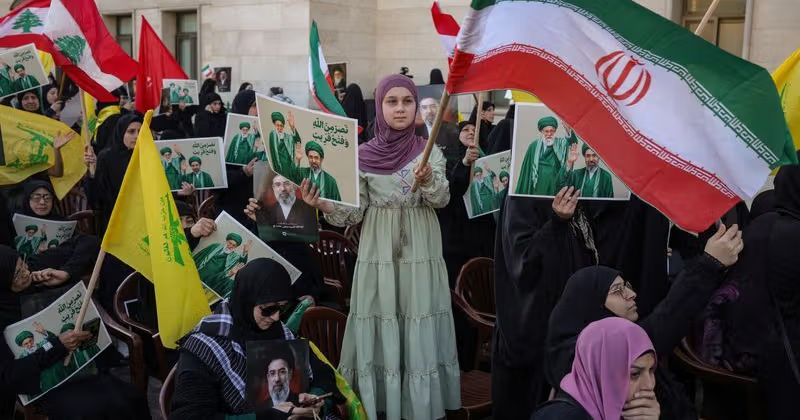
Protesters gathered outside a foreign ministry office in Mashhad. They criticised senior officials involved in the negotiations.
Opposition focused on the perceived cost of concessions involving sanctions, nuclear policy and Hormuz. The public record should be read carefully because developing stories can change as agencies, governments or institutions release additional information.
Why it matters
Domestic resistance can slow ratification and implementation even when diplomats agree on language.
For Gulf states, diplomacy is inseparable from trade routes, energy security, aviation and investor confidence. A public statement can move markets immediately, while implementation normally depends on several institutions and verification mechanisms.
For companies and investors, the practical questions are timing, enforceability and operating impact. A headline may change expectations quickly, but capital allocation normally follows confirmed rules, official documents and evidence that systems are functioning.
What to watch next
Watch for parliamentary intervention, larger demonstrations and changes in how Iranian officials present the agreement to domestic audiences.
Editors should continue to compare subsequent announcements with the original source. Any material change to the date, figure, legal status, attribution or operational outcome should be reflected in the article’s updated time and, where necessary, a visible correction or clarification note.