

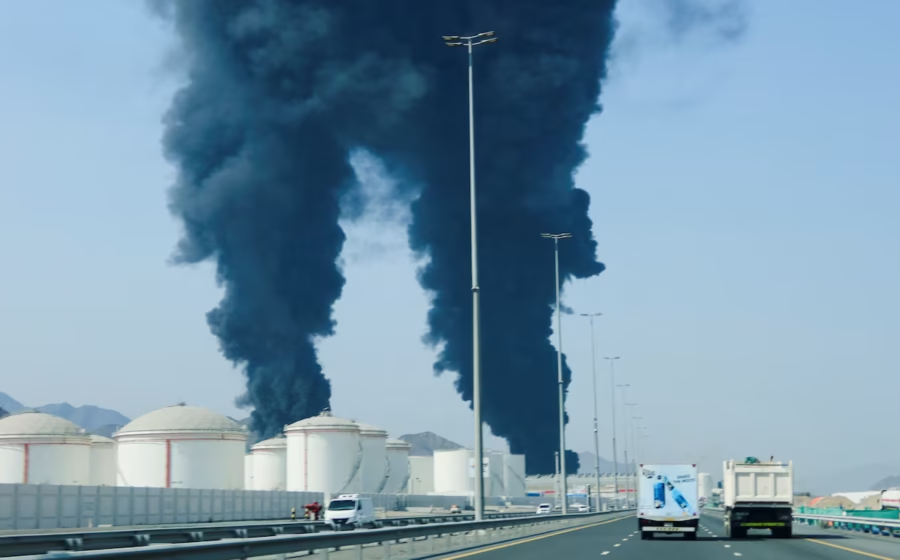
Iran Targets US Sites in Bahrain and Kuwait as Gulf Security Risk Deepens
Missile and drone claims by Iran’s Revolutionary Guards signal a new escalation phase that places Gulf host states, energy markets and diplomacy under renewed…
Diplomacy, security, sanctions, conflict and international relations.
Missile and drone claims by Iran’s Revolutionary Guards signal a new escalation phase that places Gulf host states, energy markets and diplomacy under renewed…

Tehran’s insistence on control over the Strait of Hormuz adds complexity to a diplomatic process that Gulf economies need to convert into stable trade…

Negotiations hosted in Qatar are shifting from ceasefire language to the practical mechanics of maritime security, shipping access and energy flows.

Israel’s position highlights a central gap between the US-Iran framework and the unresolved military realities in Lebanon, Syria and Gaza.

Relative calm followed the US-Iran framework, yet Israeli forces remain in the south and extensive destruction makes an immediate return unsafe.
The agreement marks the strongest move towards ending the conflict, but formal signing, implementation and the nuclear question remain unresolved.
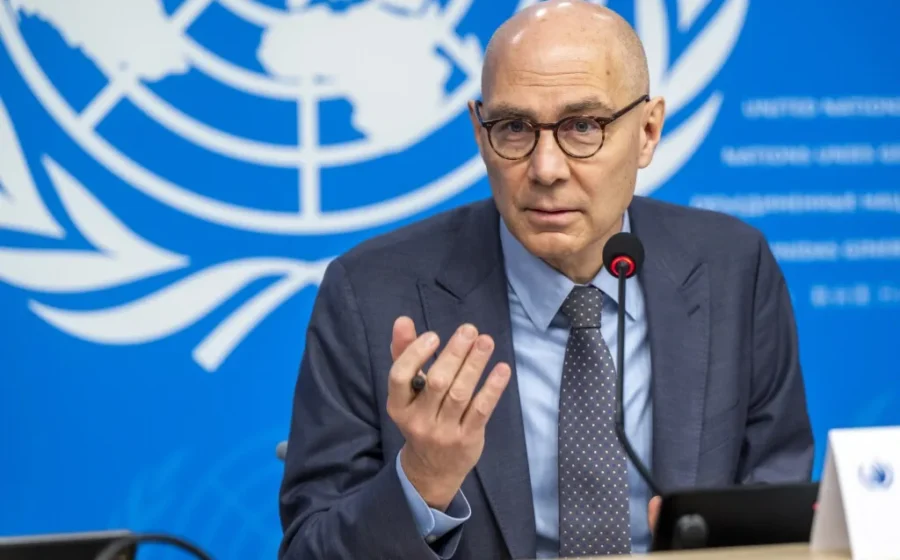
Volker Türk called for good-faith implementation while raising concern over continuing violence and the humanitarian impact across the region.
Doha described the memorandum as a step towards sustainable peace and economic growth, with the Strait of Hormuz at the centre of implementation.

The agreement has shifted the summit agenda towards implementation, energy security, sanctions and the unresolved regional fronts.
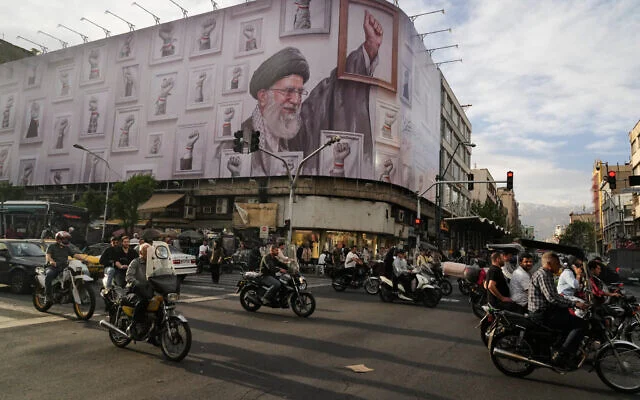
Doha’s role shows how access, confidentiality and economic credibility can allow a smaller state to influence negotiations between much larger powers.