


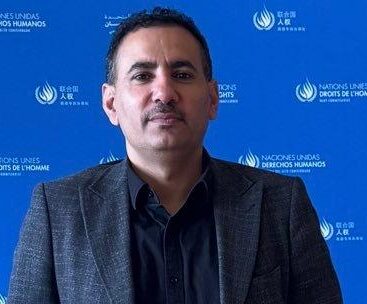
Mohammad el-Shami, a Yemeni employee of the UN Human Rights Office, had been detained since June 2024. His death has intensified concerns over dozens of UN and humanitarian workers still held by Houthi authorities.
The United Nations has demanded an independent investigation into the death of one of its Yemeni employees while in Houthi custody, renewing international concern over the detention of UN personnel and humanitarian workers in Yemen.
Mohammad el-Shami, who worked for the Office of the United Nations High Commissioner for Human Rights (OHCHR), had been held by Houthi authorities since 6 June 2024. UN officials said his family was informed of his death only recently, more than a month after it occurred, and had not been given an explanation of the cause or circumstances.
UN Secretary-General António Guterres condemned the death and called for an immediate, impartial, transparent and thorough investigation. UN High Commissioner for Human Rights Volker Türk also demanded full transparency from the Houthi authorities, including an independent inquiry into what happened to the detained employee.
The Houthis had not publicly provided an explanation for his death at the time of the UN announcement. The circumstances therefore remain unclear, and no independently established cause of death has been made public.
The case has become another serious point of friction between the United Nations and the Houthi movement, which controls Yemen’s capital, Sanaa, and large parts of the country’s north.

UN says family was kept without answers
In a statement issued on 31 October, Guterres said the circumstances surrounding el-Shami’s death remained unclear. He said the United Nations had repeatedly sought information about the employee’s well-being and proof that he was alive during his detention but had received neither.
The Secretary-General said the organisation was urgently seeking answers from the Houthi de facto authorities and called for an investigation that would be impartial, transparent and thorough.
Türk said el-Shami’s family deserved to know the truth about his death. He called for the disclosure of relevant medical and detention records, preservation of evidence and independent scrutiny of any explanation provided by the authorities.
The demands are significant because the UN has not publicly confirmed how the employee died, whether he received medical treatment or what conditions he experienced while detained.
Under international human rights standards, authorities responsible for holding detainees have an obligation to protect their safety, dignity and access to medical care. Guterres reiterated that responsibility in his statement, emphasising that people deprived of their liberty must be treated humanely.
For el-Shami’s family, the lack of information has added to the distress of losing a relative who had been held for more than two years.
Dozens of UN personnel remain detained
The death has also raised renewed concern for other employees still being held by Houthi authorities.
According to the UN Secretary-General’s statement, 70 serving UN personnel and five former UN staff members remain detained. Personnel from humanitarian organisations and civil society groups are also among those being held.
Türk said he was particularly concerned about seven other employees of the UN Human Rights Office who remained in detention alongside el-Shami. He repeated his demand for their immediate and unconditional release.
The detention campaign has affected staff members working for different UN agencies and non-governmental organisations. A major wave of arrests in June 2024 included more than 60 UN and NGO personnel, with the Houthis accusing those detained of involvement in an alleged American-Israeli espionage network.
The group has repeatedly claimed that some international organisations were being used for intelligence activities. However, the allegations have not been independently established, and the UN has rejected the detention of its employees as arbitrary.
The arrests have created a difficult operating environment for international organisations, particularly those providing humanitarian assistance in areas controlled by the Houthis.
Second UN employee to die in Houthi detention
El-Shami’s death is the second reported death of a UN employee while in Houthi custody.
A World Food Programme employee died in detention in February 2025, according to the United Nations. The latest case has intensified calls for stronger safeguards for personnel working in Yemen and for the release of those who remain detained.
The UN has repeatedly raised concerns about the impact of the arrests on its ability to operate. In February 2025, it paused operations in parts of Houthi-controlled Yemen because of concerns over the safety of its staff.
The restrictions have serious implications for a country where millions of people depend on humanitarian assistance. UN agencies and their partners support food security, healthcare, protection services and other essential programmes.
Yemeni employees are particularly important to these operations because they provide local knowledge, maintain contact with communities and help deliver assistance in areas where international staff may face access restrictions.
The detention of local employees can therefore affect not only the individuals involved but also the organisations’ ability to assess needs, monitor programmes and maintain services.
Yemen’s divided political landscape complicates accountability
The case comes against the backdrop of Yemen’s prolonged conflict and political division.
The Houthis seized Sanaa in 2014, triggering a wider conflict that led to a Saudi-led military intervention in 2015 in support of Yemen’s internationally recognised government.
The conflict has left the country divided, with the Houthi movement controlling Sanaa and much of the north and northwest, while government-aligned forces hold significant areas in the south and east.
This division complicates efforts to secure the release of detainees and establish independent investigations into alleged abuses. International organisations operating in Houthi-controlled territory must engage with the authorities exercising de facto control while continuing to press for the protection of their employees.
The Houthis have previously presented detainees on television and accused them of working with foreign intelligence services. The UN and human rights organisations have raised concerns about the absence of due process and the conditions in which people are being held.
The latest death adds urgency to those concerns, particularly because the UN says it was not provided with information about el-Shami’s condition during his detention.
Humanitarian operations face growing uncertainty
The detention of UN and aid workers presents a wider challenge for humanitarian organisations operating in Yemen.
Agencies must continue delivering assistance to vulnerable communities, but they also have a responsibility to protect their employees and ensure that staff can carry out their work without arbitrary detention or intimidation.
When employees are detained, organisations may find it harder to conduct field visits, assess humanitarian needs and independently monitor the delivery of aid. The uncertainty surrounding staff safety can also discourage local employees from accepting assignments in high-risk areas.
For Yemen’s population, any reduction in humanitarian access could have serious consequences. The country continues to face a prolonged humanitarian crisis, with large numbers of people requiring assistance and basic services remaining under pressure.
The UN has continued to call for the release of all detained personnel while seeking answers from the Houthi authorities over el-Shami’s death.
However, the organisation faces a difficult balance: maintaining essential humanitarian operations while pressing for the protection of its employees. Suspending activities may affect civilians who depend on aid, while continuing operations without adequate safeguards exposes staff to further risks.
Calls for accountability intensify
The immediate priority for the United Nations is to establish how el-Shami died and ensure that the investigation meets international standards of independence and transparency.
The organisation has also called for the immediate and unconditional release of its remaining detained personnel, including the seven OHCHR colleagues held alongside el-Shami.
The Houthi authorities have not publicly explained the circumstances of the death in the statements available at the time of publication. Until relevant records and evidence are disclosed and independently examined, the cause of death remains unconfirmed.
The case is likely to deepen concerns among international organisations about the safety of their Yemeni employees and the future of humanitarian work in Houthi-controlled areas.
For el-Shami’s family, the demand is for answers about a death that became known only after a prolonged period of detention. For the United Nations, the case has become a test of whether its remaining employees can be protected and released.
The organisation’s demand is now clear: an independent investigation, transparency over the circumstances of the death and the unconditional release of those still being held.