


LONDON — The first global reaction combined higher equities, lower oil, stronger bonds and a weaker dollar, but central banks will wait for evidence that inflation pressure is truly easing.
A broad risk-on move
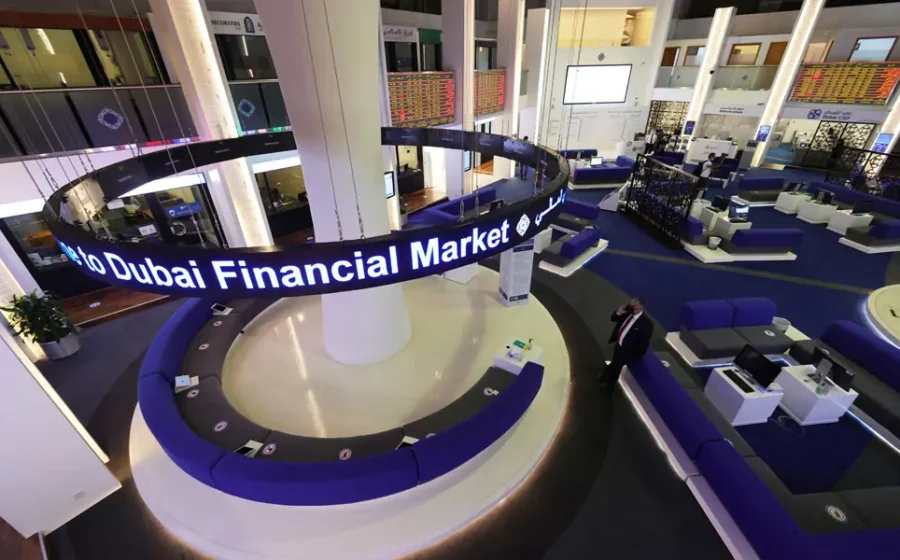
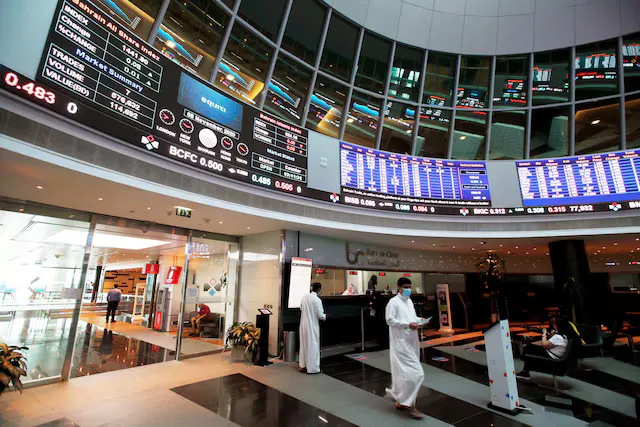
Global shares and bonds rallied after the preliminary US-Iran framework, while oil and the US dollar fell. Reuters reported strong gains across Asian and European markets as investors reduced the probability of a prolonged energy shock.
The reaction was broad because the conflict had affected several asset classes at once: commodities, inflation expectations, bond yields, currencies and corporate earnings.
Why oil sits at the centre
Oil is the main transmission mechanism between Hormuz security and the global economy. Higher prices raise transport and production costs, weaken household purchasing power and complicate monetary policy.
A credible reopening lowers that risk, which helps energy-importing economies and sectors such as airlines, autos and consumer goods.
The dollar response
The dollar eased as investors moved towards riskier assets and US Treasury yields declined. Safe-haven demand can reverse quickly when geopolitical risk falls.
Currency moves also reflect changing interest-rate expectations. If energy inflation eases, markets may price less aggressive tightening.
What central banks will consider
Central banks will not judge the situation solely from oil futures. They will assess the accumulated shock, wage behaviour, government support and the time needed for physical supply to recover.
A preliminary framework can improve the outlook without immediately changing the next policy decision.
Winners and losers
Energy-importing countries, airlines and manufacturers may benefit from lower fuel and freight costs. Oil producers and energy shares can lose part of the war-related premium.
Banks may gain from improved confidence, but the effect of changing bond yields and economic growth expectations varies by market.
Why volatility can return
The agreement still faces signing and implementation risk. Mine clearance, sanctions and regional military positions remain unresolved.
Markets that move strongly on an announcement can reverse strongly if the timetable slips or the parties disagree over interpretation.
A Gulf perspective
For Gulf investors, lower regional risk supports tourism, finance, logistics and foreign capital. At the same time, lower oil affects fiscal expectations and energy-company earnings.
The net result depends on diversification: economies and companies with broader revenue bases may benefit more from stability.
How to read the next week
Investors should watch whether equities hold their gains, whether credit spreads narrow and whether oil remains lower as actual vessel traffic increases.
Central-bank communication will show whether policymakers see the framework as a material change or only an early improvement.
Editorial context
The first market reaction is a repricing of probability, not proof that every economic consequence has disappeared. Investors reduce the premium attached to war, disrupted shipping and higher inflation. They then reassess earnings, interest rates, government spending and the speed at which supply chains can return to normal.
What to watch
Banks, transport companies and consumer-facing businesses can benefit when geopolitical risk falls, while oil producers may lose some of the windfall associated with elevated crude prices. This produces a mixed regional picture: broader indices can rise even as energy shares weaken.
Central-bank expectations are another transmission channel. Lower oil prices can reduce future inflation pressure, but policymakers will also consider the earlier shock, government subsidies, wage behaviour and the time required to rebuild inventories. One day of market relief does not automatically translate into an immediate change in interest-rate policy.
Liquidity and foreign participation matter as much as index direction. A durable improvement would normally be accompanied by stronger turnover, narrower risk spreads and sustained buying across sectors. A short rally driven mainly by headlines can reverse if implementation is delayed.
The first market reaction is a repricing of probability, not proof that every economic consequence has disappeared. Investors reduce the premium attached to war, disrupted shipping and higher inflation. They then reassess earnings, interest rates, government spending and the speed at which supply chains can return to normal.
Banks, transport companies and consumer-facing businesses can benefit when geopolitical risk falls, while oil producers may lose some of the windfall associated with elevated crude prices. This produces a mixed regional picture: broader indices can rise even as energy shares weaken.
Central-bank expectations are another transmission channel. Lower oil prices can reduce future inflation pressure, but policymakers will also consider the earlier shock, government subsidies, wage behaviour and the time required to rebuild inventories. One day of market relief does not automatically translate into an immediate change in interest-rate policy.
Liquidity and foreign participation matter as much as index direction. A durable improvement would normally be accompanied by stronger turnover, narrower risk spreads and sustained buying across sectors. A short rally driven mainly by headlines can reverse if implementation is delayed.
The first market reaction is a repricing of probability, not proof that every economic consequence has disappeared. Investors reduce the premium attached to war, disrupted shipping and higher inflation. They then reassess earnings, interest rates, government spending and the speed at which supply chains can return to normal.
Banks, transport companies and consumer-facing businesses can benefit when geopolitical risk falls, while oil producers may lose some of the windfall associated with elevated crude prices. This produces a mixed regional picture: broader indices can rise even as energy shares weaken.
Central-bank expectations are another transmission channel. Lower oil prices can reduce future inflation pressure, but policymakers will also consider the earlier shock, government subsidies, wage behaviour and the time required to rebuild inventories. One day of market relief does not automatically translate into an immediate change in interest-rate policy.
Liquidity and foreign participation matter as much as index direction. A durable improvement would normally be accompanied by stronger turnover, narrower risk spreads and sustained buying across sectors. A short rally driven mainly by headlines can reverse if implementation is delayed.
The first market reaction is a repricing of probability, not proof that every economic consequence has disappeared. Investors reduce the premium attached to war, disrupted shipping and higher inflation. They then reassess earnings, interest rates, government spending and the speed at which supply chains can return to normal.
Deeper implications
A further distinction is required between nominal relief and real economic relief. A lower futures price improves sentiment immediately, but companies experience the benefit only when fuel contracts, freight invoices, insurance premiums and financing costs adjust. The lag differs by industry and country, which is why headline market moves can overstate the near-term improvement in corporate cash flow.
Portfolio managers will also examine whether the rally changes strategic allocation to Gulf and emerging markets. A durable shift would normally involve new inflows, stronger primary issuance and tighter credit spreads rather than only short-covering. The quality of the move matters because liquidity created by relief can disappear quickly if implementation becomes uncertain.
The policy response will influence the next stage. Governments that used subsidies, emergency reserves or fiscal support during the shock must decide how quickly to withdraw them. Removing support too early could expose households to costs that have not yet normalised, while retaining it too long can increase fiscal pressure and distort price signals.
Corporate guidance will provide another test. Airlines, manufacturers, retailers and logistics groups can explain whether their procurement and insurance costs are actually falling. Energy companies will reveal whether lower prices are being offset by improved volumes. Those disclosures will be more informative than a single day of trading.