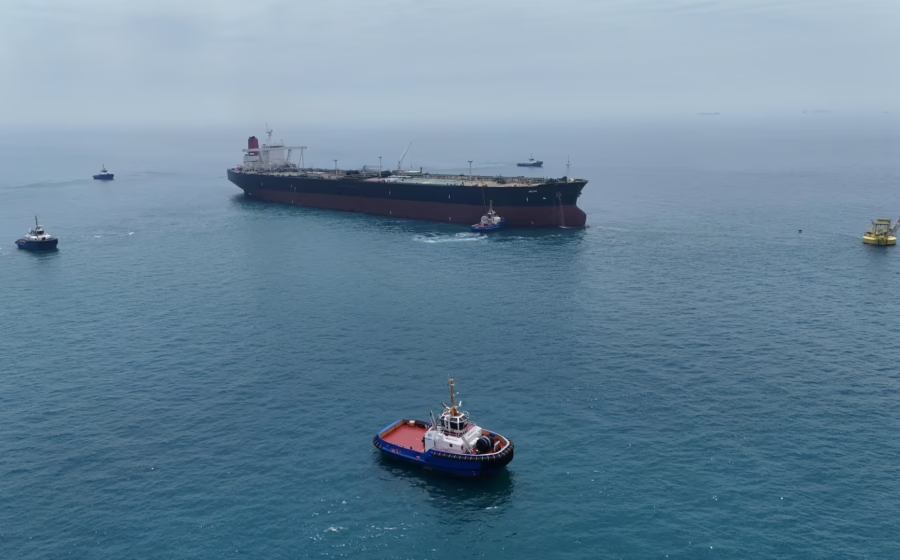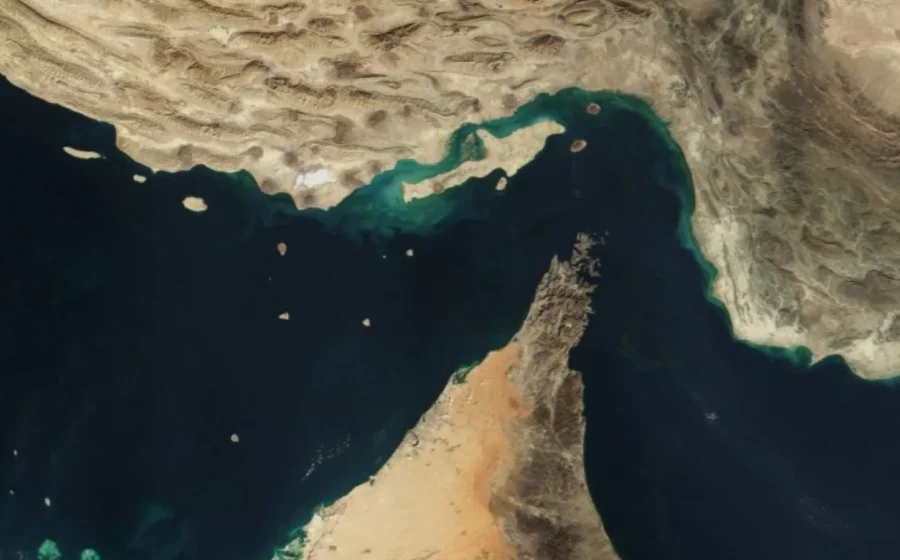


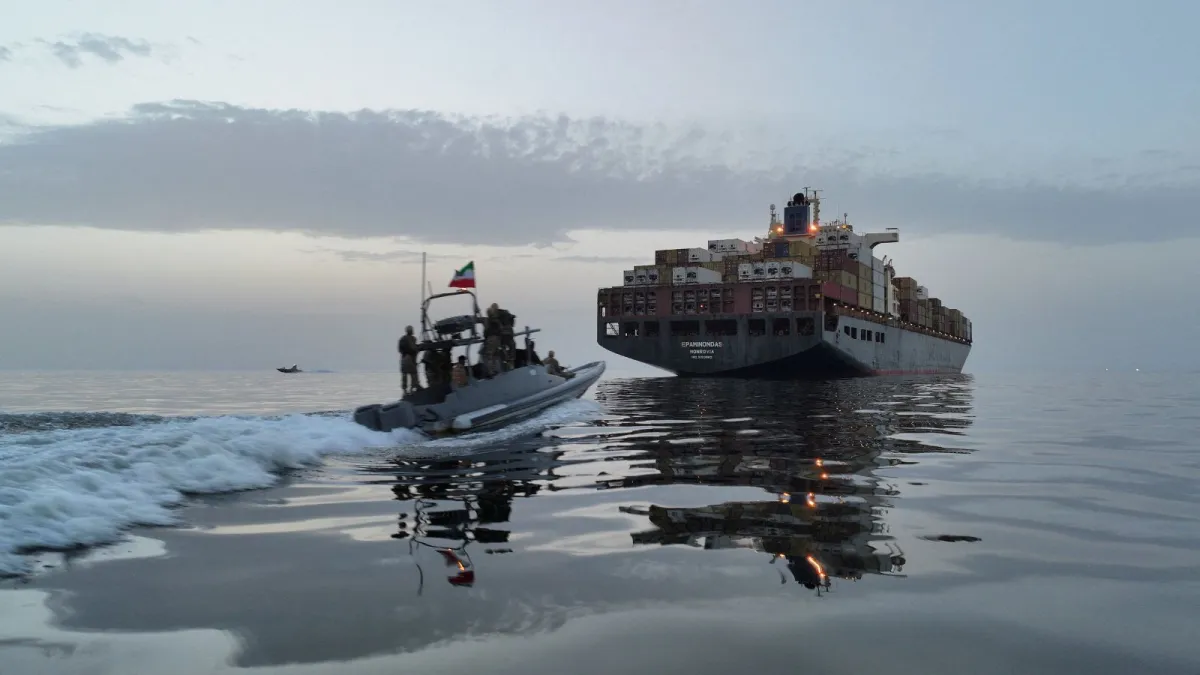
MUSCAT — The political decision to reopen Hormuz can be made quickly; locating, identifying and neutralising maritime threats is a slower technical operation.
Why mines are difficult to clear
Maritime officials and specialists have warned that establishing confidence in the Strait of Hormuz could take 40 to 50 days. Reuters reported that the waterway may contain suspected mine locations, while the exact number and type of devices remain uncertain.
Naval mines can be moored, placed on the seabed, allowed to drift or attached to vessels. Each type requires different detection and disposal methods. Water depth, currents, commercial traffic and the possibility of hostile interference add complexity.
Detection comes before destruction
A mine-clearance operation begins by defining the area of risk. Forces use sonar, remotely operated vehicles, helicopters, drones and specialist vessels to search. The absence of a detection does not immediately prove that a lane is safe.
Search patterns need to be systematic and repeatable. Authorities must also distinguish mines from debris, natural objects and abandoned equipment.
Why confidence takes longer than clearance
The technical removal of suspected devices is only one part of reopening. Shipowners and insurers need confidence that the survey was comprehensive and that new mines will not be deployed.
A safe corridor may first be opened for escorted or priority vessels. Wider commercial traffic normally follows after multiple successful transits.
Who could participate
The United States, European states and regional partners have mine-countermeasure capabilities, but coordination is essential. Different forces need common charts, communication procedures and rules for operating in a narrow commercial waterway.
Political agreement with Iran is also important because clearance crews would be vulnerable if military activity resumed.
Insurance and legal questions
Insurers will assess the quality of the operation, the authority issuing navigation guidance and whether war-risk exclusions remain in place. Shipowners also need to know who bears liability if a vessel is damaged after an official reopening.
These questions can delay traffic even when naval authorities believe a route is usable.
The economic consequences
Hormuz carries a large share of globally traded oil and LNG. Delayed clearance affects producers, refiners, utilities and governments. It also influences freight rates, inventory decisions and inflation expectations.
The market may therefore experience a gap between lower benchmark oil prices and continuing physical supply constraints.
What readers should watch
Reliable indicators include formal navigation warnings, mapped safe lanes, the number of commercial transits and changes in insurance premiums. Statements about complete reopening should be tested against those measures.
A 40-to-50-day estimate is not a guarantee. Operations could finish earlier if the threat is limited, or take longer if devices are found, weather worsens or security deteriorates.
Editorial context
Commercial vessels do not return to a high-risk waterway simply because political leaders announce an agreement. Shipowners consult masters, charterers, flag states, naval advisers and insurers. Each party can impose conditions, and a single unresolved safety question can delay a voyage. That is why visible traffic may recover much more slowly than financial-market confidence.
What to watch
Insurance is one of the decisive constraints. War-risk premiums, exclusions and deductibles determine whether a transit is commercially viable and whether lenders will accept the exposure. Underwriters normally require reliable information on mines, missiles, detention risk, navigation rules and escort arrangements before pricing can move back towards normal levels.
The reopening of a chokepoint is also a scheduling problem. Tankers and LNG carriers may be waiting in different ports, cargoes may have been reassigned, crews may be close to regulatory limits and terminals may need to rebuild loading sequences. Even when navigation is declared safe, congestion and documentation can extend the recovery.
Asian refiners and utilities will watch actual cargo departures rather than political statements alone. Their procurement decisions affect spot prices, inventories and replacement buying. If buyers remain cautious, the market can continue to carry a risk premium even while benchmark oil prices fall.
Commercial vessels do not return to a high-risk waterway simply because political leaders announce an agreement. Shipowners consult masters, charterers, flag states, naval advisers and insurers. Each party can impose conditions, and a single unresolved safety question can delay a voyage. That is why visible traffic may recover much more slowly than financial-market confidence.
Insurance is one of the decisive constraints. War-risk premiums, exclusions and deductibles determine whether a transit is commercially viable and whether lenders will accept the exposure. Underwriters normally require reliable information on mines, missiles, detention risk, navigation rules and escort arrangements before pricing can move back towards normal levels.
The reopening of a chokepoint is also a scheduling problem. Tankers and LNG carriers may be waiting in different ports, cargoes may have been reassigned, crews may be close to regulatory limits and terminals may need to rebuild loading sequences. Even when navigation is declared safe, congestion and documentation can extend the recovery.
Asian refiners and utilities will watch actual cargo departures rather than political statements alone. Their procurement decisions affect spot prices, inventories and replacement buying. If buyers remain cautious, the market can continue to carry a risk premium even while benchmark oil prices fall.
Commercial vessels do not return to a high-risk waterway simply because political leaders announce an agreement. Shipowners consult masters, charterers, flag states, naval advisers and insurers. Each party can impose conditions, and a single unresolved safety question can delay a voyage. That is why visible traffic may recover much more slowly than financial-market confidence.
Insurance is one of the decisive constraints. War-risk premiums, exclusions and deductibles determine whether a transit is commercially viable and whether lenders will accept the exposure. Underwriters normally require reliable information on mines, missiles, detention risk, navigation rules and escort arrangements before pricing can move back towards normal levels.
The reopening of a chokepoint is also a scheduling problem. Tankers and LNG carriers may be waiting in different ports, cargoes may have been reassigned, crews may be close to regulatory limits and terminals may need to rebuild loading sequences. Even when navigation is declared safe, congestion and documentation can extend the recovery.
Asian refiners and utilities will watch actual cargo departures rather than political statements alone. Their procurement decisions affect spot prices, inventories and replacement buying. If buyers remain cautious, the market can continue to carry a risk premium even while benchmark oil prices fall.
Commercial vessels do not return to a high-risk waterway simply because political leaders announce an agreement. Shipowners consult masters, charterers, flag states, naval advisers and insurers. Each party can impose conditions, and a single unresolved safety question can delay a voyage. That is why visible traffic may recover much more slowly than financial-market confidence.