

DUBAI — One visible LNG tanker has transited the strait, but shipowners say political agreement is not yet the same as safe, commercially insurable passage.
Traffic remains limited
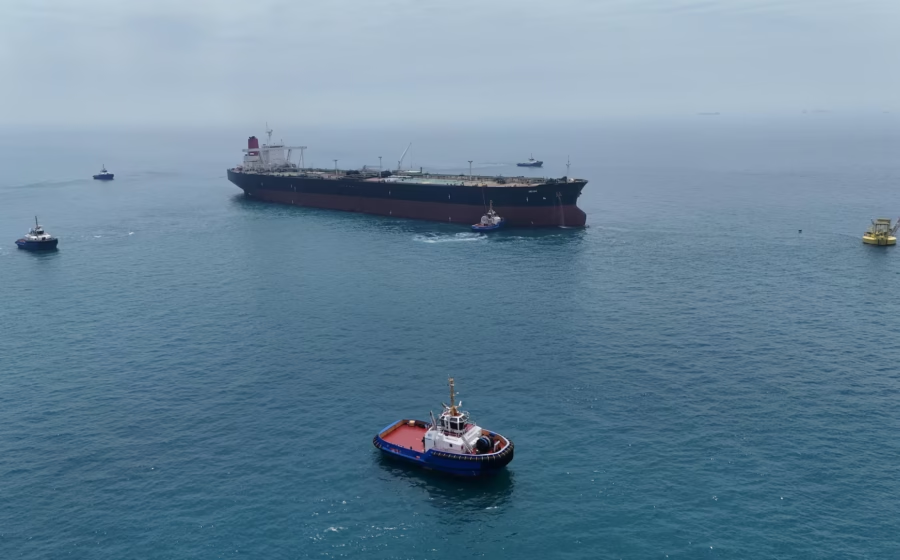
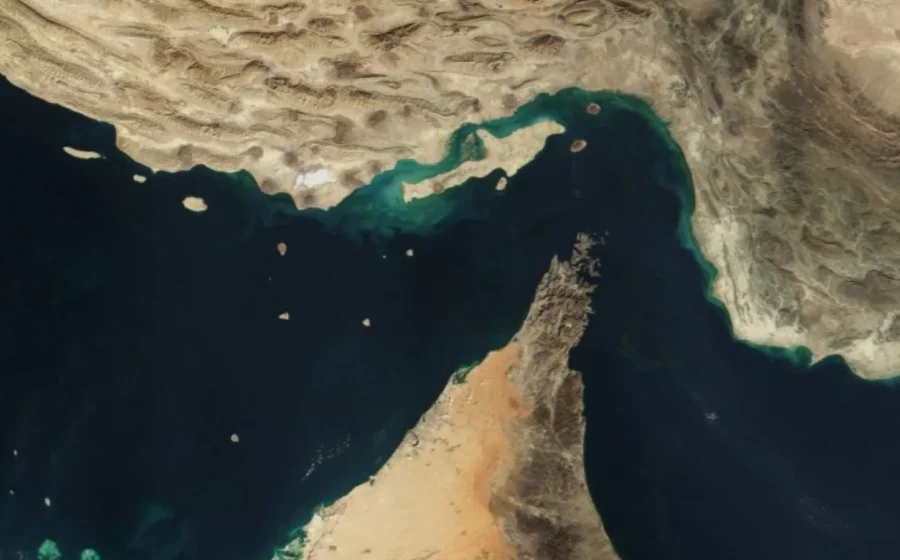
Shipping companies remain cautious about returning to the Strait of Hormuz despite the preliminary US-Iran framework. Reuters reported that one visible LNG tanker, the Disha, had passed through the waterway, but broader commercial traffic remained well below normal levels.
The transit is an important signal, yet it is not enough to establish that the route has returned to routine operation. Shipowners require consistent evidence that navigation is safe.
Why operators are waiting
Mine risk is the most immediate concern. Even an unconfirmed threat can affect the decisions of masters, flag states, charterers and insurers. Companies also need clarity on naval coordination, detention risk and any new navigation procedures.
Japanese and European shipping groups have expressed cautious optimism while waiting for detailed safety assurances. Their approach reflects the high financial and human cost of a single incident.
Insurance as the gatekeeper
War-risk cover can determine whether a vessel is permitted to sail. Premiums may remain elevated until underwriters receive verified information and observe repeated safe transits.
Lenders and cargo owners may impose their own restrictions. A shipowner willing to move does not necessarily mean every party to the voyage will accept the risk.
The backlog
Reuters reported that a large number of tankers remained inside or near the Gulf. Releasing that backlog requires sequencing at ports and terminals as well as safe passage through the strait.
Cargoes may need new documentation, revised delivery windows and updated charter terms. Congestion can therefore persist after the security situation improves.
Recovery will be gradual
Oil prices fell quickly because traders reduced the probability of prolonged disruption. Physical shipping is likely to recover more slowly.
The most useful indicators will be sustained daily transits, falling insurance costs, terminal loading data and confirmation that minesweeping has been completed.
Editorial context
Commercial vessels do not return to a high-risk waterway simply because political leaders announce an agreement. Shipowners consult masters, charterers, flag states, naval advisers and insurers. Each party can impose conditions, and a single unresolved safety question can delay a voyage. That is why visible traffic may recover much more slowly than financial-market confidence.
What to watch
Insurance is one of the decisive constraints. War-risk premiums, exclusions and deductibles determine whether a transit is commercially viable and whether lenders will accept the exposure. Underwriters normally require reliable information on mines, missiles, detention risk, navigation rules and escort arrangements before pricing can move back towards normal levels.
The reopening of a chokepoint is also a scheduling problem. Tankers and LNG carriers may be waiting in different ports, cargoes may have been reassigned, crews may be close to regulatory limits and terminals may need to rebuild loading sequences. Even when navigation is declared safe, congestion and documentation can extend the recovery.
Asian refiners and utilities will watch actual cargo departures rather than political statements alone. Their procurement decisions affect spot prices, inventories and replacement buying. If buyers remain cautious, the market can continue to carry a risk premium even while benchmark oil prices fall.
Commercial vessels do not return to a high-risk waterway simply because political leaders announce an agreement. Shipowners consult masters, charterers, flag states, naval advisers and insurers. Each party can impose conditions, and a single unresolved safety question can delay a voyage. That is why visible traffic may recover much more slowly than financial-market confidence.
Insurance is one of the decisive constraints. War-risk premiums, exclusions and deductibles determine whether a transit is commercially viable and whether lenders will accept the exposure. Underwriters normally require reliable information on mines, missiles, detention risk, navigation rules and escort arrangements before pricing can move back towards normal levels.
The reopening of a chokepoint is also a scheduling problem. Tankers and LNG carriers may be waiting in different ports, cargoes may have been reassigned, crews may be close to regulatory limits and terminals may need to rebuild loading sequences. Even when navigation is declared safe, congestion and documentation can extend the recovery.
Asian refiners and utilities will watch actual cargo departures rather than political statements alone. Their procurement decisions affect spot prices, inventories and replacement buying. If buyers remain cautious, the market can continue to carry a risk premium even while benchmark oil prices fall.
Commercial vessels do not return to a high-risk waterway simply because political leaders announce an agreement. Shipowners consult masters, charterers, flag states, naval advisers and insurers. Each party can impose conditions, and a single unresolved safety question can delay a voyage. That is why visible traffic may recover much more slowly than financial-market confidence.
Insurance is one of the decisive constraints. War-risk premiums, exclusions and deductibles determine whether a transit is commercially viable and whether lenders will accept the exposure. Underwriters normally require reliable information on mines, missiles, detention risk, navigation rules and escort arrangements before pricing can move back towards normal levels.