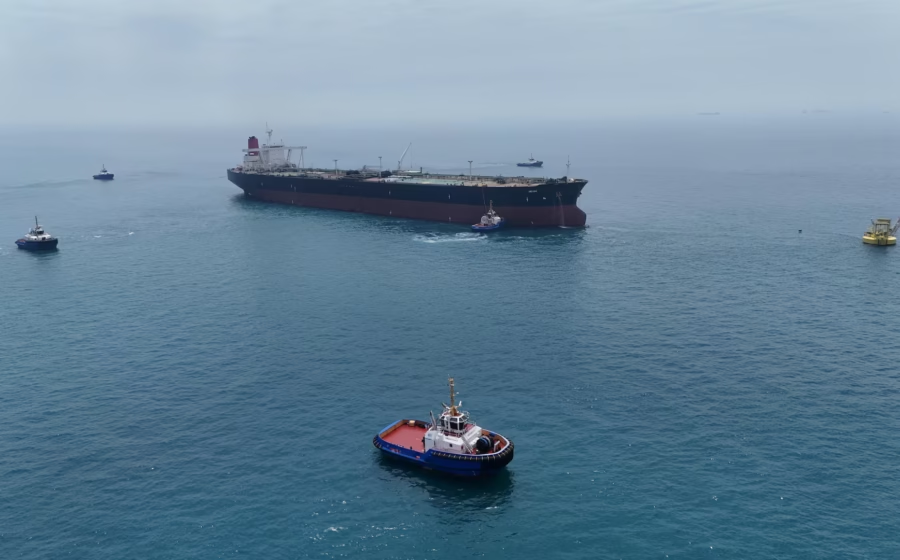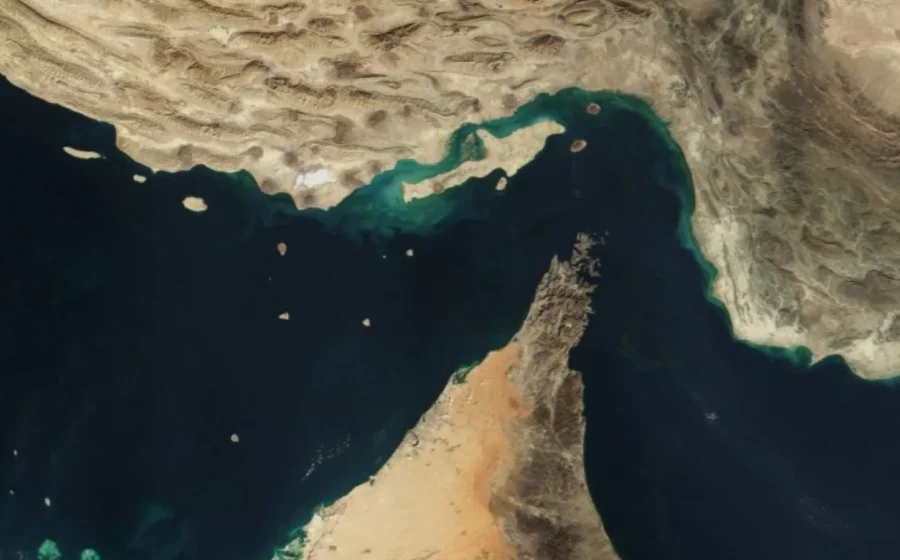


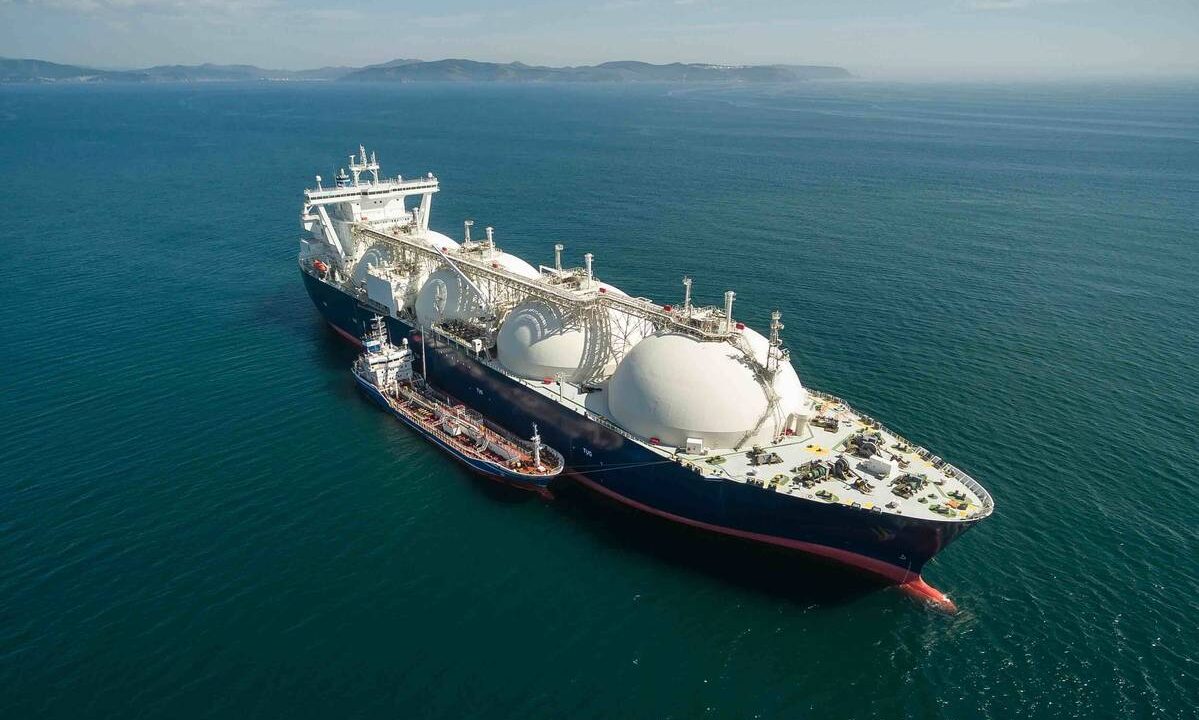
DOHA — A limited number of Qatar-linked liquefied-natural-gas tankers have passed through the Strait of Hormuz, offering a narrow sign of movement in a shipping system that remains heavily disrupted by conflict and security uncertainty.
Reuters reported that the Al Daayen, operated by QatarEnergy, became the fifth Qatari-controlled loaded LNG tanker to leave the strait during the latest phase of the crisis. The vessel had loaded at Ras Laffan and was heading toward Asia.
The transit is commercially important, but it should not be interpreted as a return to normal. Pre-war traffic through Hormuz involved a far larger and more regular flow of oil tankers, LNG carriers, container ships and support vessels.
Qatar’s exposure is structural
Qatar’s LNG export system is concentrated around Ras Laffan, with cargoes reaching international markets through the strait. The country’s long-term supply contracts provide commercial stability, but they do not remove the physical dependence on maritime access.
When vessel movements become irregular, buyers must manage delivery uncertainty, replacement cargoes and changing freight costs. The effects can extend beyond spot gas prices to industrial planning, power generation and storage decisions in importing countries.
Limited transit does not eliminate the risk premium
Shipowners evaluate more than whether one vessel completed a journey. They consider naval activity, mines, missile and drone risk, port access, insurance exclusions, crew safety and the availability of emergency support.
A small number of transits can occur under special arrangements while the wider market remains constrained. That explains why energy prices and shipping expectations continue to react sharply to diplomatic developments.
Diplomacy could accelerate the recovery
The proposed United States–Iran framework includes the reopening of Hormuz as a central economic objective. G7 governments are also expected to discuss demining support. If those steps produce a verifiable security arrangement, LNG schedules could normalise more quickly.
Yet the recovery will depend on details: who provides navigational security, whether insurers restore capacity, how transit rules are communicated and whether all military actors respect the arrangement.
What to watch next
Three indicators will show whether the improvement is durable. The first is the number of daily commercial transits. The second is the cost and availability of war-risk insurance. The third is the ability of QatarEnergy and other Gulf exporters to resume regular loading and delivery schedules.
For now, the tanker movements are evidence of limited access rather than full normalisation. They provide a practical measure of diplomatic progress, but also underline the vulnerability of global energy trade to security conditions in one narrow maritime corridor.