

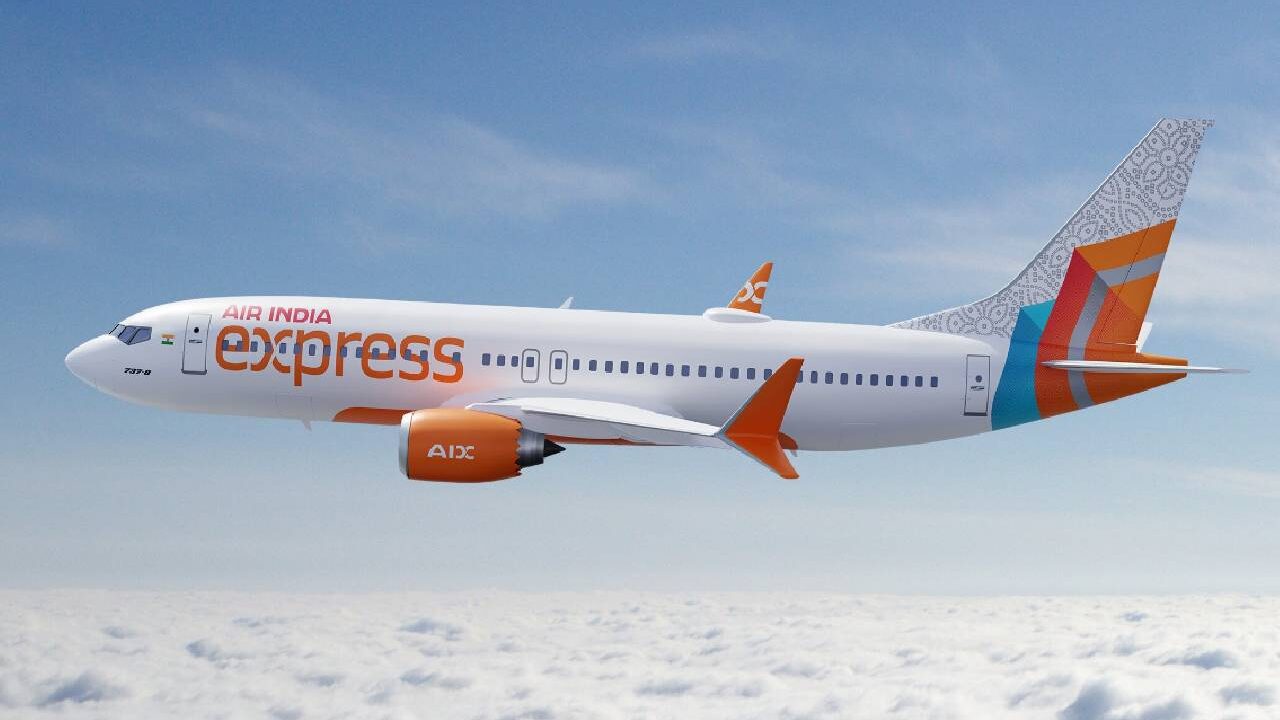
DUBAI — July 4, 2026: The carrier’s return to 13 Gulf destinations signals improving aviation conditions after a period of disruption that cut Indian airline capacity to the region. The development is relevant to Telegraph Middle East readers because it connects directly with the publication’s core coverage of Gulf business, public policy, investment, markets and regional affairs.
The story is not only about a headline figure or a single official decision. It is about how the Middle East is adjusting to a period in which energy routes, capital flows, government policy, consumer confidence and geopolitical risk are moving together. In that environment, a development in one sector can quickly shape decisions in another.
Air India Express said it was operating flights to 13 destinations across Bahrain, Kuwait, Oman, Qatar, Saudi Arabia and the UAE.
Official data cited by Arab News showed more than 14 million Indian travellers visited the Gulf region in 2024.
Indian airlines sold around 220,000 fewer seats in four Gulf states in June 2026 compared with the same month a year earlier, according to OAG data reported by Arab News.
Travel companies reported improved booking trends and renewed confidence.
Taken together, these details indicate that the region is moving through a phase of cautious adjustment rather than simple recovery or deterioration. The facts point to measurable activity, but they also show why decision-makers remain careful about treating one week of data as a lasting trend.
Aviation is one of the clearest measures of Gulf normalisation because flight schedules reflect both safety assessments and commercial confidence. Airlines will not restore capacity unless they believe routes can be operated reliably, passengers are willing to book and fuel and insurance costs can be managed. When capacity returns, the benefits extend beyond carriers to airports, hotels, taxis, retailers and labour-linked communities.
The India-Gulf corridor is especially important. It carries workers, families, tourists, executives and students across one of the world’s most active mobility networks. Disruption to that corridor is felt in remittances, hotel bookings, airport retail, company staffing and household planning. Restoring flights is therefore not merely an aviation update; it is a regional economic signal.
The recovery will still be uneven. Some passengers may book later than usual, airlines may manage capacity carefully and fares may remain sensitive to fuel and operating costs. Yet the restoration of routes provides a foundation for the wider travel economy to rebuild confidence.
India-Gulf aviation is not a secondary corridor; it is part of the labour, tourism and family infrastructure of the region.
Restored capacity supports airlines, airports, hotels and remittance-linked communities.
The recovery will be watched for pricing discipline, schedule reliability and whether tourism demand returns as strongly as visiting-friends-and-relatives traffic.
For policymakers, the priority is to preserve confidence while avoiding overstatement. For companies, the priority is operational flexibility: the ability to adapt procurement, pricing, staffing, financing and customer strategy as conditions change. For investors, the key question is whether short-term uncertainty is masking durable structural growth or exposing weaknesses that were previously hidden by abundant liquidity.
The next indicators to watch will be official follow-up data, sector-level statements, shipping and travel activity, lending conditions, company guidance and the tone of regional diplomacy. Telegraph Middle East will continue to treat confirmed data as the basis for analysis and will avoid presenting projections or source-based claims as settled outcomes.
The wider context is that the Gulf is attempting to protect its reputation as a reliable centre for capital, trade and services while operating in a region where security developments can change the cost of doing business quickly. The strongest economies will be those able to maintain institutional clarity, transparent communication and practical continuity during periods of stress. That is why today’s news should be read as part of a wider operating picture rather than as an isolated event.
The wider context is that the Gulf is attempting to protect its reputation as a reliable centre for capital, trade and services while operating in a region where security developments can change the cost of doing business quickly. The strongest economies will be those able to maintain institutional clarity, transparent communication and practical continuity during periods of stress. That is why today’s news should be read as part of a wider operating picture rather than as an isolated event.