

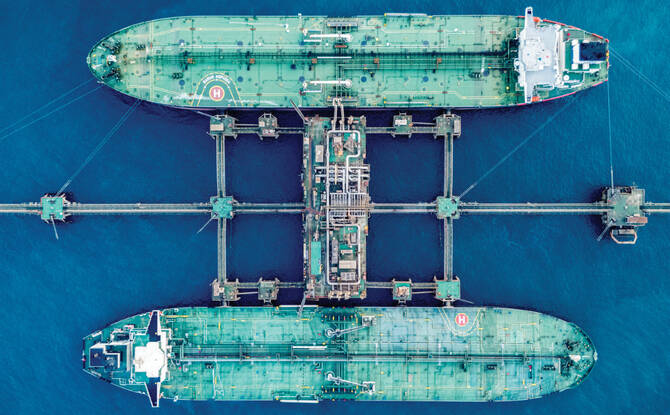
Iran War Delivers the Middle East’s Biggest Economic Shock in Decades
Energy disruption, damaged infrastructure and weaker non-oil activity are testing the region’s financial buffers.
Context and interpretation of important regional developments.
Energy disruption, damaged infrastructure and weaker non-oil activity are testing the region’s financial buffers.

Longer routes, higher fuel costs and disrupted connections are extending the conflict’s economic impact beyond the region.

Market functioning is improving, but geopolitical risk and uneven investor demand remain significant.

Researchers found that strategic waiting locations may matter more than frequent movement across a city.

A Qatar discussion highlighted the Convention on the Rights of Persons with Disabilities and a rights-based policy approach.

The commerce minister highlighted the sector’s development and prospects for additional capacity.

The agency cited robust finances, low federal debt and substantial capacity to absorb the regional shock.
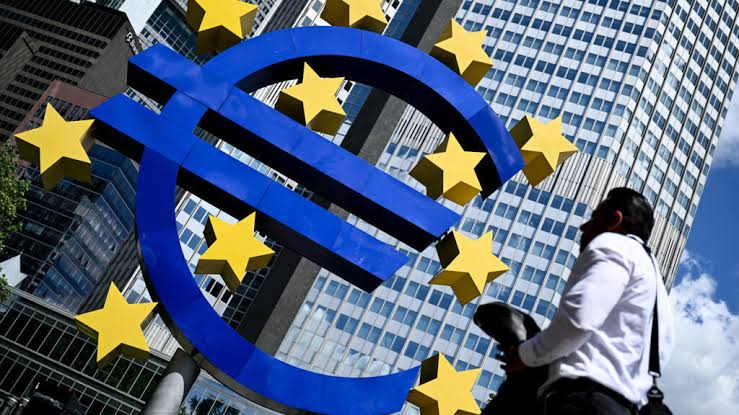
Energy-driven inflation pushed Europe’s central bank to tighten policy, with consequences for Gulf borrowing and investment.

The regional conflict has shown that ports, shipping insurance, data systems, energy networks and skilled institutions matter more than the headline value of investment…

Saudi Arabia’s digital economy accounted for 16% of GDP in 2024, according to GASTAT, showing the scale of digital adoption while shifting attention toward…