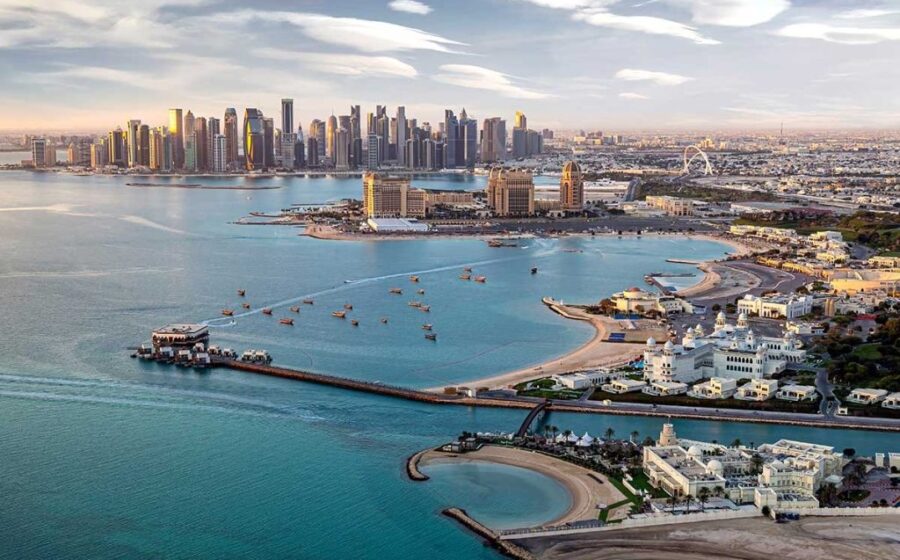


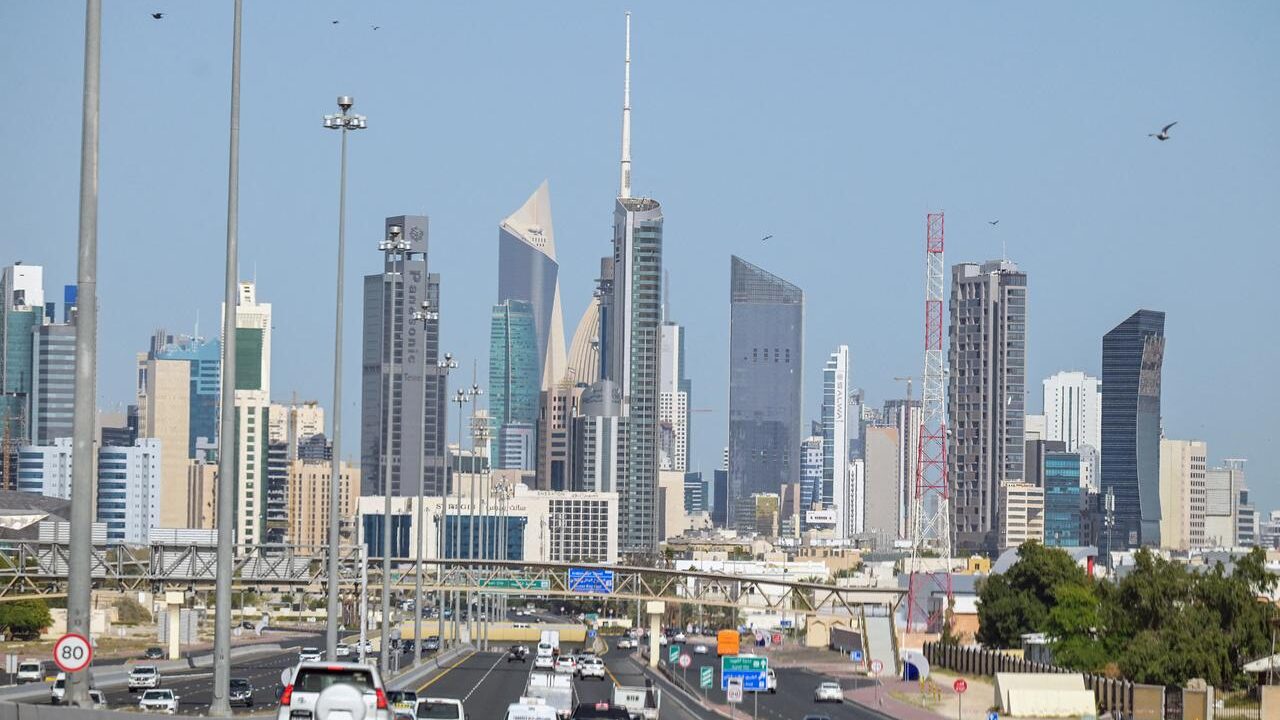
The Gulf’s economic story is often told through announcements: the size of an investment framework, the height of a tower, the capacity of a data centre or the value of a new development.
The 2026 regional conflict has offered a different measure of economic strength. It has shown that resilience depends on the systems beneath those announcements: maritime access, insurance, power, data, regulation, skills and the ability of institutions to continue operating during disruption.
Connectivity is the core economic asset
Gulf economies are open by design. They move energy, capital, goods, people and information across borders. That openness has created exceptional growth, but it also concentrates risk in critical routes and systems.
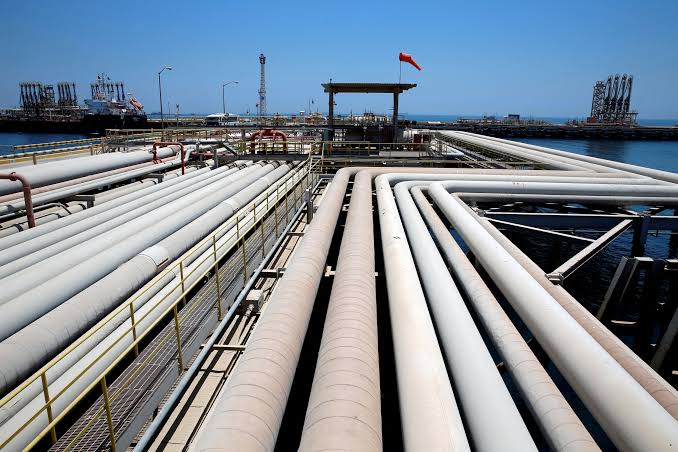
The Strait of Hormuz is the clearest example. A narrow waterway became a constraint on oil, LNG, shipping schedules and insurance. The economic effect was not limited to energy producers. It reached airlines, logistics companies, manufacturers, banks and consumers.
A resilient Gulf economy therefore requires more than efficient infrastructure in normal conditions. It requires redundancy, contingency planning and credible recovery mechanisms.
Insurance is infrastructure
Physical assets are useless if companies cannot insure their operation. During the conflict, war-risk premiums rose and some coverage was withdrawn or restricted.
This reveals a neglected part of resilience. Governments invest heavily in ports, airports and industrial facilities, but the commercial use of those assets depends on global insurers, reinsurers, legal contracts and risk assessment.
Regional policy should treat insurance capacity as part of strategic infrastructure. That can include better risk data, emergency reinsurance frameworks and clearer coordination between governments, operators and insurers.
Energy security now includes electricity and data
The Gulf remains central to global oil and gas, but its domestic growth increasingly depends on electricity and digital capacity. AI, cloud services, advanced manufacturing and financial infrastructure require reliable power, cooling, telecommunications and cybersecurity.
A data-centre announcement is not the same as a functioning digital ecosystem. The economic value depends on grid reliability, chip access, skilled staff, data rules and customer demand.
Resilience planning should therefore connect energy, water and digital policy rather than treating them as separate sectors.
Skills are a form of redundancy
During a disruption, organisations rely on experienced people who understand systems, risks and alternatives. Infrastructure without skilled operators creates dependence.
The OECD’s review of UAE investment policy emphasised stronger links between foreign investment, digital transformation and skills. The point applies across the Gulf. Capital can purchase technology, but local capability determines whether the region can adapt, repair and innovate.
Workforce development should be evaluated through operational competence, not only enrolment numbers or training announcements.
Large projects need sequencing
Saudi Arabia’s transformation demonstrates the ambition and scale of Gulf investment. The IMF has supported the reform direction while emphasising project prioritisation, fiscal buffers and the efficiency of public investment.
That advice is especially relevant after a regional shock. Resilience requires the ability to continue strategic spending without allowing weaker projects to consume capital needed for critical systems.
Prioritisation is not a retreat from ambition. It is the discipline that protects ambition when conditions change.
Regulatory coordination is operational capacity
Companies navigating a crisis need fast and consistent decisions on customs, shipping, data, labour, finance and licensing. Fragmented procedures can become an economic bottleneck.
The UAE’s federal model has created innovation and competition among jurisdictions. Stronger coordination can preserve that flexibility while making emergency and cross-border responses more coherent.
Across the GCC, common standards for logistics, payments, digital identity and business continuity could reduce friction during future shocks.
How resilience should be measured
Traditional economic indicators remain important, but governments and investors should add operational measures:
- How quickly can shipping capacity return after a disruption?
- How much critical data and power capacity has geographic redundancy?
- How long can essential services operate if an external route is interrupted?
- How quickly can regulators coordinate across agencies and borders?
- How much insurance capacity remains available during a shock?
- How many local specialists can operate, repair and secure critical systems?
These measures are less dramatic than project values, but they determine whether an economy can absorb a crisis.
The investment narrative must mature
The Gulf does not need to abandon ambitious announcements. It needs to place them within a more demanding framework.
Every major project should answer three questions: What productive capability does it create? What dependency does it reduce or increase? How does it operate during disruption?
Investors will increasingly ask the same questions. Regional risk can affect valuations, financing and insurance even when long-term growth remains attractive.
From scale to durability
The Gulf has demonstrated an exceptional ability to build at scale. The next competitive advantage will come from durability: systems that continue to function, institutions that respond quickly and workforces that can adapt.
The conflict has made the lesson visible. Economic power is not only the capacity to announce the future. It is the ability to keep the present operating when conditions are at their most difficult.
Logistics needs genuine redundancy
The Gulf’s ports and airports are among the region’s strongest assets, but resilience requires alternative routes, spare capacity and agreements that can be activated during disruption. Rail links, inland logistics zones and multiple export terminals can reduce dependence on a single corridor.
Redundancy has a cost because some capacity may be underused in normal conditions. The economic value appears during a crisis, when businesses can continue moving essential goods and exporters retain access to customers.
Food and water systems deserve equal attention
Food security is not only a question of strategic reserves. It depends on diversified suppliers, functioning cold chains, storage, financing and rapid customs coordination. Water resilience requires efficient networks, desalination capacity, energy security and emergency planning.
These systems are closely connected. A power interruption can affect water production, refrigeration and communications at the same time. Planning should therefore examine cascading failure rather than treating each sector independently.
Digital infrastructure must be distributed
Data centres, cloud platforms and communications networks now support banking, transport, healthcare and government services. Geographic concentration creates vulnerability to physical damage, power disruption or cyberattack.
Resilient systems use multiple availability zones, tested backup power, secure cross-border connectivity and incident-response teams with clear authority. Governments can encourage minimum resilience standards without prescribing a single technology provider.
Insurance is part of infrastructure
Physical assets cannot operate confidently when risk is uninsurable. War-risk, marine, cyber and business-interruption coverage all influence whether companies continue operating during a shock.
Regional policymakers should therefore treat insurance capacity as a strategic market. Better data, clear claims processes and public-private risk-sharing mechanisms can help maintain coverage when private capacity contracts.
Capital allocation should reward resilience
Public investment funds, banks and project sponsors can incorporate resilience metrics into appraisal. A project with slightly lower financial returns may create greater economic value if it protects essential capacity or reduces a critical dependency.
This does not justify unlimited spending. Resilience investments should be tested against realistic scenarios and compared with lower-cost operational alternatives.
Five principles for the next development cycle
- Design for disruption: test how assets operate when routes, power or communications fail.
- Build interoperability: agencies and companies should share information and use compatible emergency protocols.
- Develop people: local specialists must be able to operate and repair critical systems.
- Measure recovery time: resilience is the speed and quality of restoration, not only prevention.
- Disclose dependencies: investors need to understand concentration and contingency risk.
A stronger investment proposition
Resilience is not a defensive agenda opposed to growth. Reliable infrastructure attracts capital because investors can model risk more confidently. Companies are more willing to locate regional operations where power, data, transport and regulation continue functioning during stress.
The Gulf’s next premium will therefore come from demonstrated reliability. Announcements create attention; tested systems create trust. The region that converts ambition into durable operating capability will be better positioned to lead through the next cycle of uncertainty.