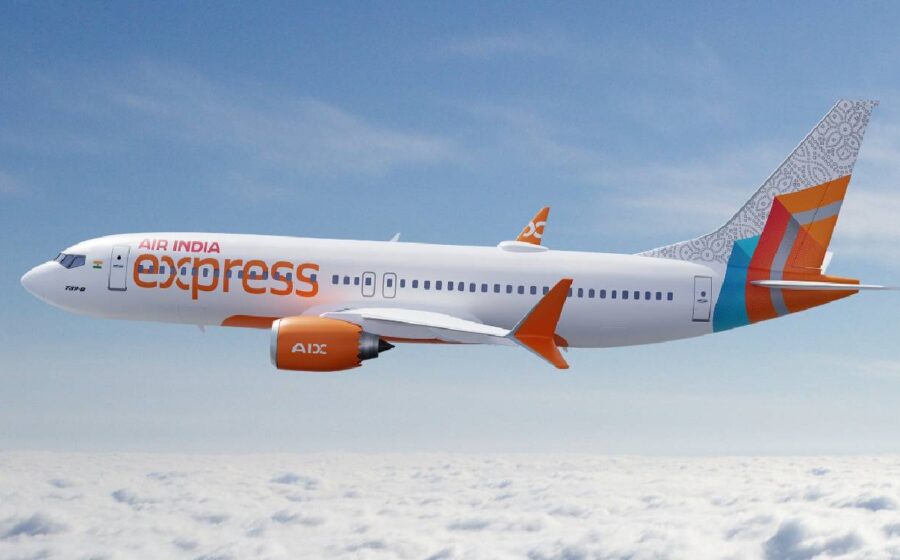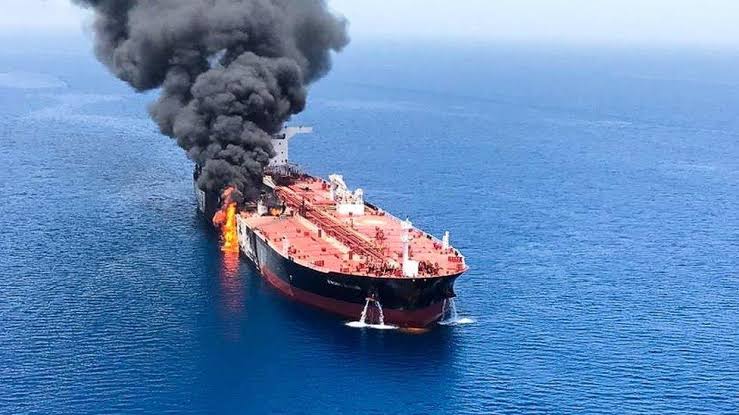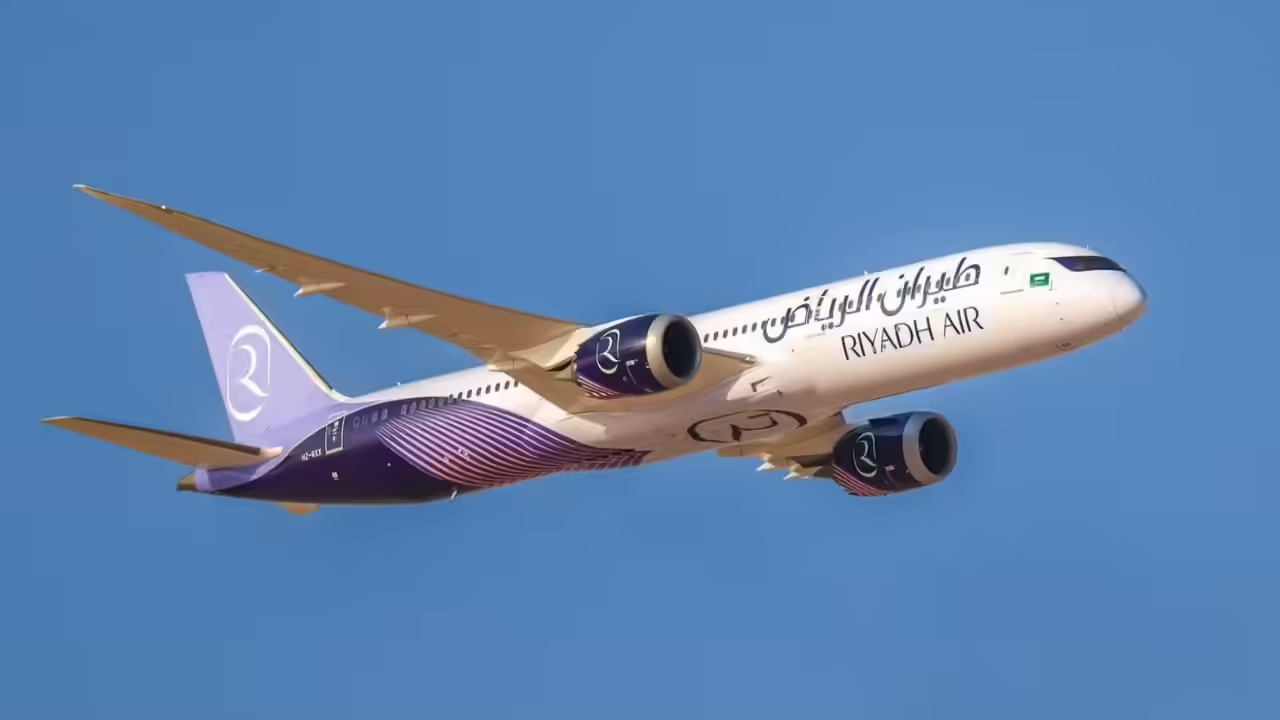


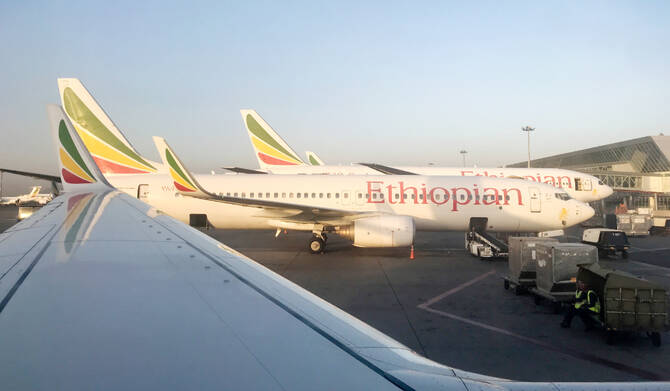
DUBAI — Longer routes, higher fuel costs and disrupted connections are extending the conflict’s economic impact beyond the region. According to reporting by Arab News, the latest development adds a new layer to an already fast-moving regional story.
What happened
An industry body warned that the Gulf crisis is straining African airlines. Airspace restrictions and fuel-price volatility are increasing operating costs.
Gulf hubs are central to African passenger and cargo connectivity. The public record should be read carefully because developing stories can change as agencies, governments or institutions release additional information.
Why it matters
Regional aviation disruption can weaken tourism, trade and airline liquidity across Africa.
Transport networks transmit regional shocks quickly. A security, airspace, port or insurance disruption in the Gulf can affect passengers, cargo and costs across Africa, Asia and Europe.
For policymakers, the challenge is to communicate clearly enough that institutions, businesses and the public understand what has changed and what has not. Uncertainty can itself become an economic cost when it delays travel, hiring, investment or purchasing decisions.
What to watch next
The initial signal is therefore important but not conclusive. The durable economic effect will depend on implementation, institutional capacity and whether the development changes real behaviour rather than only public expectations.
Track route suspensions, fuel surcharges, insurance and passenger demand.
Editors should continue to compare subsequent announcements with the original source. Any material change to the date, figure, legal status, attribution or operational outcome should be reflected in the article’s updated time and, where necessary, a visible correction or clarification note.