


DUBAI — Business closures, job losses and triple-digit food inflation are intensifying the domestic cost of the conflict. According to reporting by Arab News / AP, the latest development adds a new layer to an already fast-moving regional story.
What happened
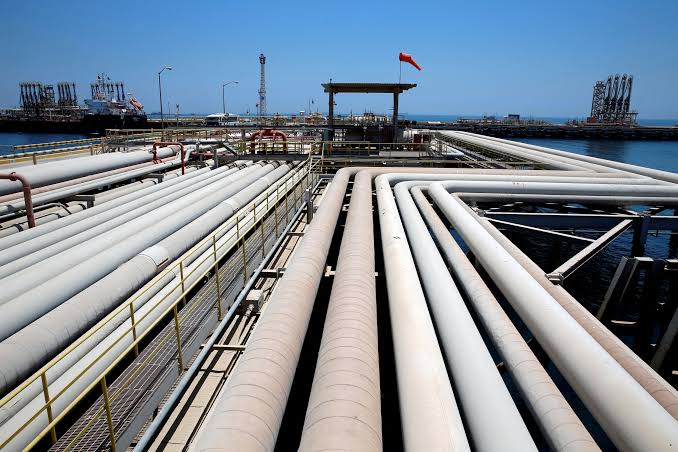
Strikes on energy, steel and petrochemical infrastructure have contributed to closures and job losses. Iranian households are facing severe food inflation and a deeply weakened currency.
Business owners said supply-chain disruption and uncertainty were making recovery planning difficult. The public record should be read carefully because developing stories can change as agencies, governments or institutions release additional information.
Why it matters
Economic pressure may increase public demand for peace while also making politically sensitive concessions harder for the government to defend.
The regional economy is being shaped by long-term diversification and an immediate security shock. Headline growth and revenue figures therefore need to be read alongside trade flows, confidence, employment and sector composition.
For policymakers, the challenge is to communicate clearly enough that institutions, businesses and the public understand what has changed and what has not. Uncertainty can itself become an economic cost when it delays travel, hiring, investment or purchasing decisions.
What to watch next
The initial signal is therefore important but not conclusive. The durable economic effect will depend on implementation, institutional capacity and whether the development changes real behaviour rather than only public expectations.
Track the rial, food inflation, industrial output, internet access and the form of any sanctions or trade relief.
Editors should continue to compare subsequent announcements with the original source. Any material change to the date, figure, legal status, attribution or operational outcome should be reflected in the article’s updated time and, where necessary, a visible correction or clarification note.