

Saudi Arabia said debris from two ballistic missiles intercepted by its air defences fell at two locations in the Mecca region, as tensions between the kingdom and Yemen’s Houthi movement intensified following a series of missile and drone attacks.
Saudi state television identified the locations as Sabuhah village, approximately 35 kilometres north-east of the Grand Mosque in Mecca, and Wadi al-Maghmas, about 21 kilometres east of the mosque. The missiles were intercepted and destroyed before fragments fell to the ground, according to the Saudi Civil Defence.
The announcement came after the Saudi-led military coalition reported intercepting several Houthi missiles and drones aimed at different parts of the kingdom on Wednesday, 11 November. Houthi military spokesperson Yahya Saree separately rejected Saudi claims that the group had launched a drone towards Mecca, saying its operation had instead targeted an oil pumping station in Yanbu.
The two accounts concern different reported incidents. The Houthi statement specifically denied the alleged drone operation over Mecca; it did not provide a detailed independent account of the two ballistic missiles whose debris Saudi authorities said fell in the region.
Debris falls at two locations in Mecca region
Saudi authorities said the two ballistic missiles had been launched towards the western region of the kingdom before being intercepted by air defences. The resulting fragments fell in several locations, with Saudi state television naming Sabuhah and Wadi al-Maghmas.
The distances reported by Saudi television place both locations outside the Grand Mosque itself. Sabuhah is around 35 kilometres north-east of the mosque, while Wadi al-Maghmas lies approximately 21 kilometres to its east.
The distinction is important because reports of debris in the wider Mecca region should not be interpreted as confirmation that a missile struck the city or that the Grand Mosque was directly targeted. Saudi Arabia said the missiles had been intercepted and destroyed.
In a statement issued early on Thursday, the Civil Defence described the incident as hostile targeting of civilian objects and condemned it as a violation of international humanitarian law. The statement reflected the kingdom’s position that the attacks endangered civilian areas.
The initial reports did not provide a confirmed casualty figure or a detailed account of damage caused by the falling debris. Nor was there independent verification of the precise intended targets of the two ballistic missiles.
Saudi coalition reports wider wave of interceptions
The incident formed part of a broader series of reported aerial interceptions across Saudi Arabia. On Wednesday, the Saudi-led coalition said its air defences had destroyed three cruise missiles heading towards the Riyadh region, two drones directed towards the Mecca and southern regions, and two missiles aimed towards western Saudi Arabia.
A later account published by Saudi Gazette on Thursday, based on statements from coalition spokesperson Major General Turki al-Maliki, put the total number of intercepted missiles and drones between Wednesday and Thursday morning at nine. Its breakdown included two ballistic missiles, three cruise missiles and four drones.
The coalition subsequently reported another drone interception in the Eastern Province and a further interception in the Riyadh region on Thursday morning. The reports suggest that Saudi air defences were responding to several separate threats across different parts of the country rather than a single attack concentrated around Mecca.
Saudi Civil Defence had also issued warnings about potential danger in Taif, Yanbu and Khamis Mushait on Wednesday, before later announcing that the danger had passed, according to Reuters.
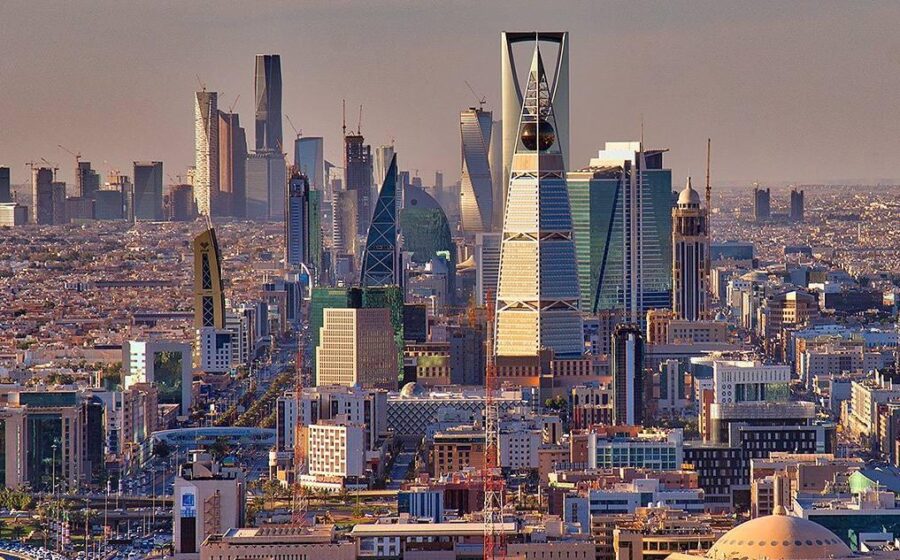
The latest developments follow repeated attacks on Saudi territory in recent days. A Houthi strike on Sunday damaged an Aramco administrative building in Riyadh’s financial district, Reuters reported. Saudi Arabia has also faced attacks on airports, ports and oil infrastructure, prompting intensified air operations against Houthi targets in Yemen.
Houthis deny drone attack on Mecca
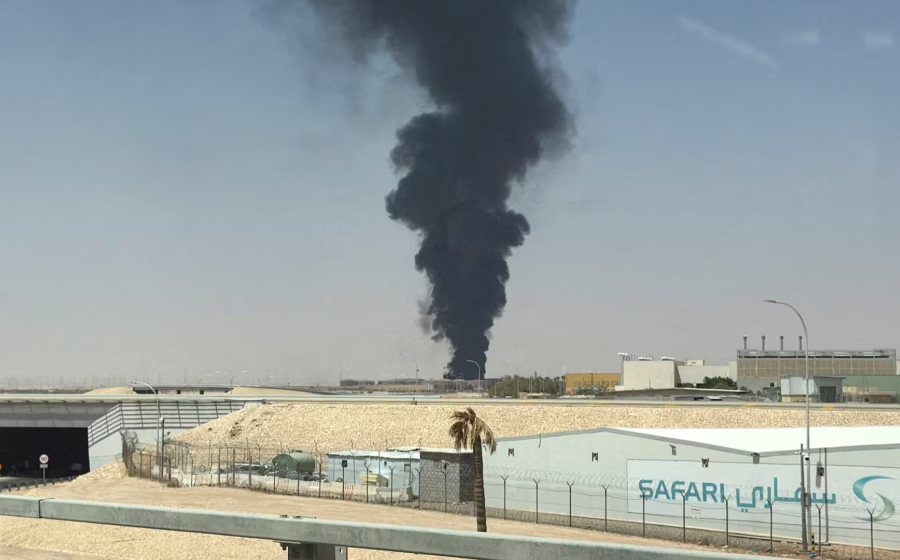
Houthi military spokesperson Yahya Saree rejected the Saudi account that a drone had been launched towards Mecca. In a statement carried by the Houthi-run Yemen News Agency, SABA, Saree said the group had targeted Pumping Station No. 11 in the Yanbu area with a drone and claimed that the operation had achieved its objective.
He dismissed the Saudi account of a drone being intercepted over Mecca as false and said Houthi operations were directed at oil facilities and military bases. The statement did not provide independently verifiable evidence of the claimed strike on the Yanbu facility.
Reuters reported that Saudi Arabia had not confirmed the Houthi claim concerning the pumping station. The statement also did not establish whether the alleged drone operation was connected to the separate reports of two ballistic missiles intercepted in the western region.
The competing accounts leave important questions unresolved. Saudi Arabia has reported the interception of missiles and drones, while the Houthis have publicly disputed the claim that they targeted Mecca with a drone and asserted that their intended targets were strategic facilities. Independent confirmation of the claimed Yanbu strike and fuller information about the ballistic missile launches remain necessary.
Escalation threatens wider regional security
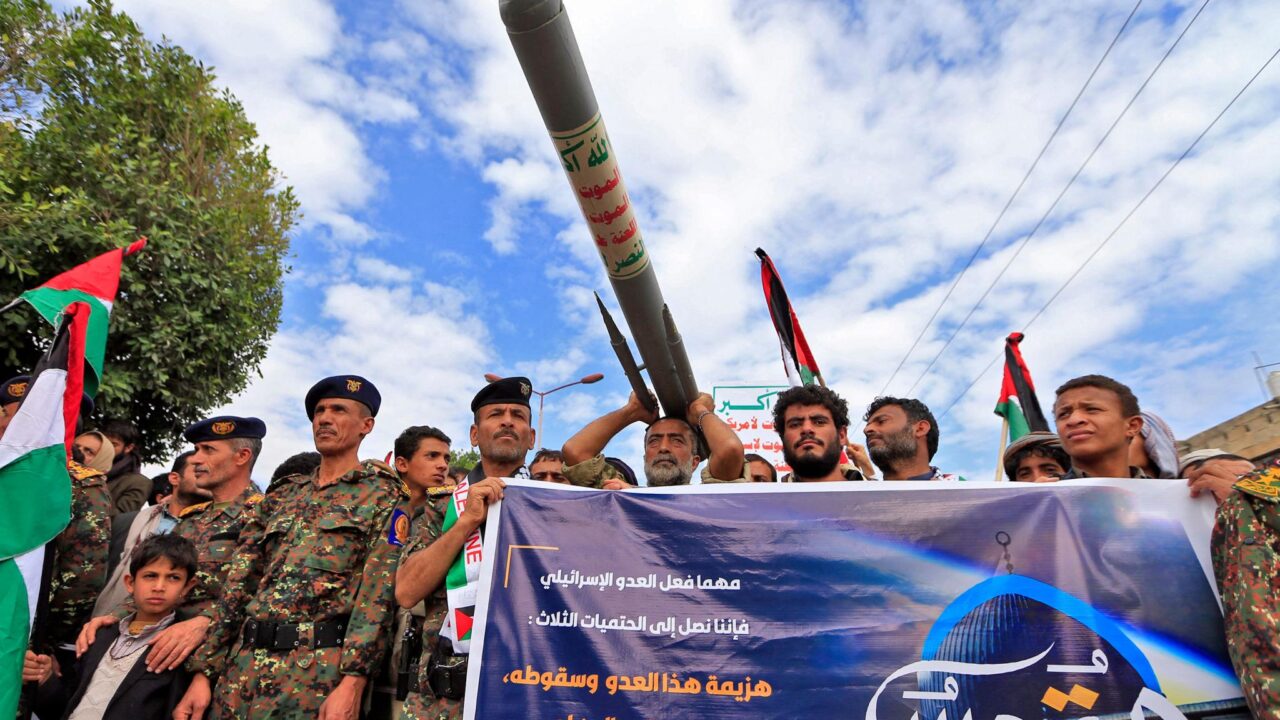
The latest incidents are part of a renewed escalation in the conflict between Saudi Arabia and the Houthis, who control Yemen’s capital, Sanaa, and much of the country’s most populous territory.
The Houthis seized Sanaa in 2014, prompting Saudi Arabia to intervene militarily the following year in support of Yemen’s internationally recognised government. A United Nations-brokered truce in 2022 largely halted major hostilities between the sides, although the conflict was never fully resolved.
Fighting resumed earlier in 2026, with Houthi missile and drone attacks against Saudi territory followed by Saudi air strikes on Houthi positions in Yemen. The latest escalation has increased pressure on security infrastructure across the kingdom and raised concerns about the risks to civilian sites and critical economic facilities.
The confrontation also has implications beyond Saudi and Yemeni territory. The Bab el-Mandeb Strait, which connects the Red Sea with the Gulf of Aden, is a strategic shipping passage. Reuters has reported that renewed fighting and Houthi advances towards the strait have raised concerns about the security of this important maritime route.
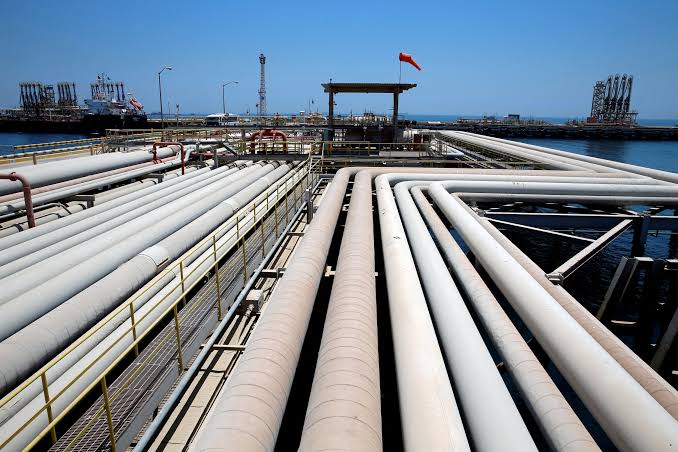
Further attacks on Saudi ports, oil installations or transport infrastructure could widen the economic impact of the conflict. The threat is particularly significant because the kingdom is a major energy exporter and an important regional logistics and transport hub.
For Yemen, the renewed confrontation comes amid an intensifying internal conflict between Houthi forces and those aligned with the internationally recognised government. Saudi military operations and Houthi attacks across the border risk adding another front to an already volatile situation.
Questions remain over the intended targets
The immediate facts established by the Saudi announcement are that two ballistic missiles were intercepted and that debris fell at locations in the Mecca region. The reported sites were outside the Grand Mosque, and the initial account did not confirm casualties or damage from the fragments.
The Houthi denial, meanwhile, related specifically to a separate allegation involving a drone said to have been directed towards Mecca. Saree’s claim that the group attacked a pumping station in Yanbu has not been independently verified.
The distinction between the separate incidents will be central to assessing the latest exchange of claims. More information from Saudi authorities, the coalition and the Houthis may clarify the missiles’ intended targets, the circumstances of the interceptions and the extent of any damage on the ground.
With attacks continuing across Saudi Arabia and Yemen, the latest reports underline the risk that the confrontation could spread further across the region. They also leave open the question of whether diplomatic efforts can prevent the renewed fighting from developing into a wider and more sustained conflict.