

Deadly strikes reported in Taiz and missile interceptions over Riyadh highlight the widening security crisis, as fighting deepens Yemen’s humanitarian emergency and threatens stability across the Gulf.
Saudi Arabia and the Houthis exchange accusations amid escalating violence
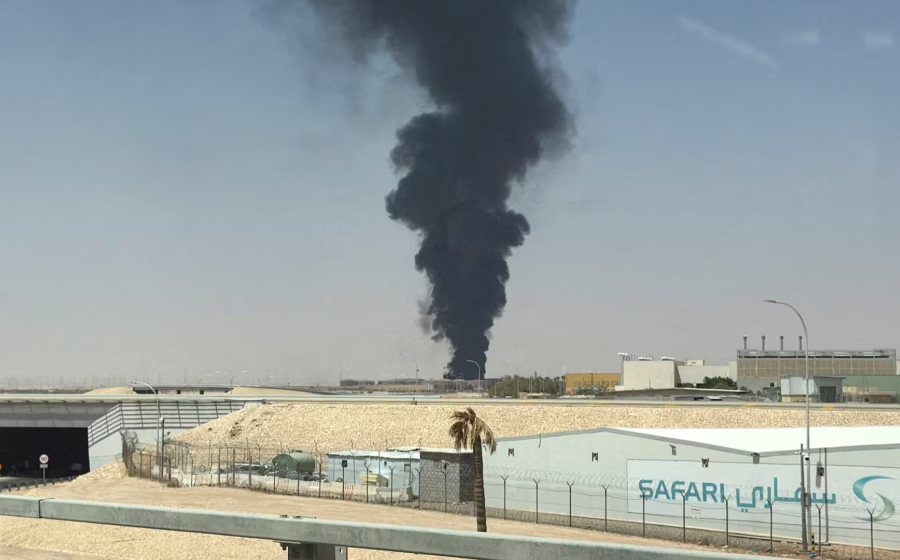
Saudi Arabia is facing renewed security pressure as its confrontation with Yemen’s Houthi movement intensifies, with missile interceptions over Riyadh coinciding with reports of deadly strikes in the western Yemeni province of Taiz.
The latest developments underline how the conflict in Yemen has increasingly become part of a wider regional security crisis. Saudi authorities said their air defences intercepted two ballistic missiles launched towards the capital on Thursday, while Houthi authorities accused Saudi Arabia of carrying out an airstrike that killed at least 13 people in Taiz.
The competing accounts reflect the growing intensity of hostilities and the difficulty of independently verifying information emerging from active conflict zones.
According to the Houthi-run health ministry, the reported Saudi strike hit a location in Taiz province on Thursday. The Associated Press reported that the death toll was provided by the Houthi authorities and that the incident formed part of an intensifying confrontation between the group and forces aligned with Yemen’s internationally recognised government.
Saudi Arabia, meanwhile, has continued to report missile and drone threats directed towards its territory. The latest interception over Riyadh demonstrates that the security risks are no longer confined to Yemen’s front lines.
For Saudi Arabia, the challenge is increasingly twofold: protecting its cities and critical infrastructure while preventing the conflict from creating a prolonged crisis along its southern border.
Two ballistic missiles intercepted over Riyadh
Saudi Arabia’s air defences intercepted and destroyed two ballistic missiles launched towards Riyadh on Thursday, according to the Saudi-led coalition fighting the Houthis in Yemen.
The interceptions came after explosions were heard in the capital. Saudi Civil Defence issued warnings for Riyadh, Najran and Al-Kharj, before announcing that the immediate danger had passed.
Saudi authorities said one person sustained minor injuries and that a house and a vehicle were damaged. The incidents followed earlier missile interceptions that caused damage from falling debris in parts of the capital.
The latest attempted attack is part of a wider pattern of Houthi missile and drone activity directed towards Saudi territory during the renewed escalation.
The consequences extend beyond the immediate damage caused by individual attacks. Repeated aerial threats can disrupt civilian movement, increase pressure on emergency services and create uncertainty for businesses and international operators.
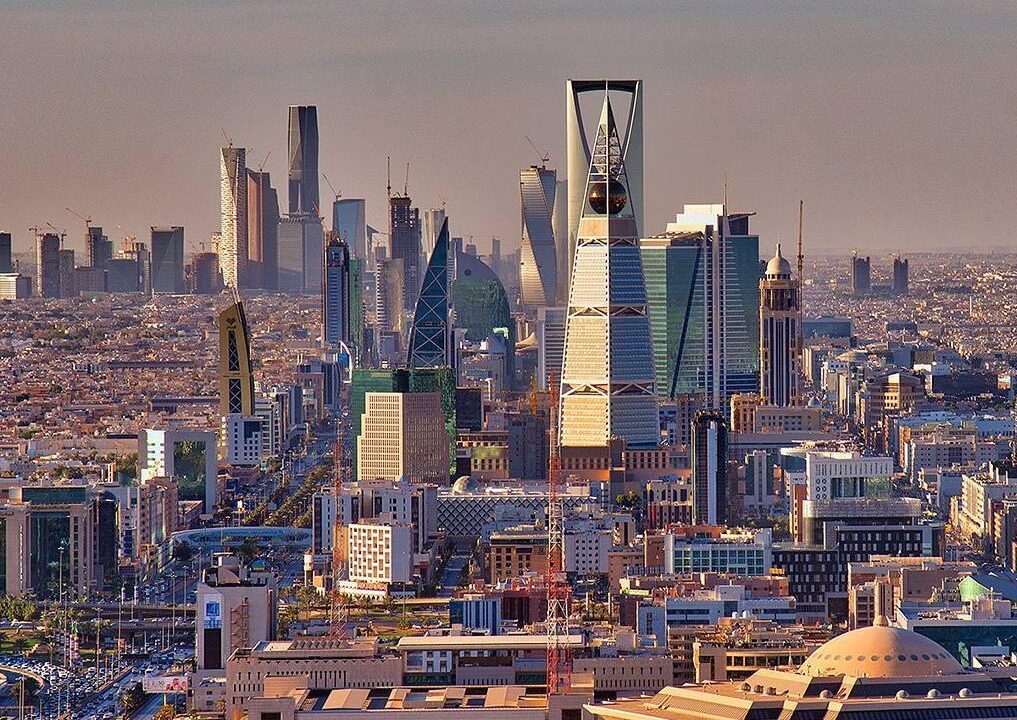
Riyadh is particularly important because it is the country’s political and economic centre. Any sustained threat to the capital can affect government operations, investor confidence and the Kingdom’s efforts to maintain an image of stability.
The Saudi-led coalition has continued to describe the missile launches as attacks on the Kingdom. The Houthis, for their part, have repeatedly claimed military operations against Saudi targets, although individual claims about successful strikes have not always been independently verified.
Taiz faces another deadly episode in Yemen’s intensifying conflict
While Saudi Arabia has concentrated on defending its territory, the humanitarian situation in Yemen has deteriorated further, particularly around Taiz.
The Houthi-run health ministry said at least 13 people were killed in a Saudi airstrike in western Taiz on Thursday. The figure has been reported by the Associated Press, but the circumstances and casualty toll have not been independently established.
Taiz has been one of Yemen’s most contested areas throughout the country’s conflict. Its strategic position and divided control have left residents exposed to repeated fighting, disrupted supply routes and limited access to essential services.
The province’s governor, Nabil Shamsan, has warned that approximately one million residents face severe shortages. According to his account, water supplies have dwindled, access to cooking gas has been restricted, hospitals are running short of oxygen and stocks of wheat flour are close to exhaustion.
The situation is particularly serious for civilians who depend on humanitarian assistance. The World Food Programme has said it cannot reach more than 600,000 people who rely on aid in the affected area, according to AP reporting.
These conditions mean that the impact of the fighting cannot be measured solely by casualties from individual attacks. Restrictions on movement, damage to infrastructure and shortages of food and medical supplies can create a wider emergency for people who are not directly involved in the conflict.
Hospitals struggle as medical supplies and access become increasingly limited
Yemen’s health system is under growing pressure as fighting intensifies and medical facilities struggle to treat wounded civilians.
Reuters reported on 29 October that hospitals, particularly in besieged Taiz, were facing serious shortages of medicine, oxygen, fuel, anaesthetics and basic medical supplies.
The International Committee of the Red Cross reported that hospitals had treated up to 700 war casualties in a single week, according to Reuters. The volume of injuries has placed additional pressure on medical staff and facilities already weakened by years of conflict.
The problems extend beyond shortages inside hospitals. Insecurity and restricted movement can prevent patients from reaching treatment, while medical workers and ambulances face risks when travelling through active conflict areas.
Maternity services have also been affected. Some maternity wards have reportedly been converted into emergency treatment spaces, while community midwives have struggled to reach patients.
The deterioration of healthcare services is especially concerning in a country where a large share of medical infrastructure was already closed or only partially functioning before the latest escalation.
For residents of Taiz, the combination of insecurity, limited access to hospitals and shortages of basic supplies creates a situation in which treatable conditions can become life-threatening.
The breakdown of the truce has widened the conflict
The latest escalation follows the collapse of a fragile period of relative calm between the Houthis and forces aligned with Yemen’s internationally recognised government.
The breakdown of the truce over the summer was followed by renewed exchanges of attacks and a worsening security situation across the country. The Houthis and government-aligned forces have since engaged in repeated military operations, while Saudi Arabia has faced renewed cross-border threats.
The conflict has also affected key transport and aviation infrastructure. Houthi attacks on Aden International Airport have raised concerns about the safety of civilian aviation and the ability of Yemen’s internationally recognised government to maintain access to its administrative centre.
The attacks have also complicated efforts to deliver assistance and move civilians between areas controlled by different sides.
Saudi Arabia’s involvement remains closely linked to its wider security interests. The Kingdom has supported Yemen’s internationally recognised government and considers Houthi missile and drone capabilities a direct threat to its territory.
The Houthis, meanwhile, have portrayed their operations as resistance against Saudi and allied military action. These competing positions have made negotiations more difficult, particularly when attacks and allegations of civilian casualties continue.
Saudi Arabia’s economic and security priorities face new pressure
The renewed attacks have consequences for Saudi Arabia beyond its immediate military response.
The Kingdom has invested heavily in economic diversification, tourism, aviation, infrastructure and international investment. These ambitions depend partly on the perception that major cities and commercial centres can operate without sustained security disruption.
Missile threats and airport interruptions can undermine that confidence. Airlines may reconsider routes, businesses may delay investment decisions and major events can face logistical complications when security conditions deteriorate.
Reuters reported on 26 October that Houthi attacks had caused widespread flight cancellations across Saudi Arabia. Data from aviation analytics firm Cirium showed that 86 per cent of scheduled flights at Riyadh’s King Khalid International Airport were cancelled between 8 and 25 October.
The figures illustrate how conflict-related risks can affect everyday economic activity even when missiles are intercepted and airports are not permanently damaged.
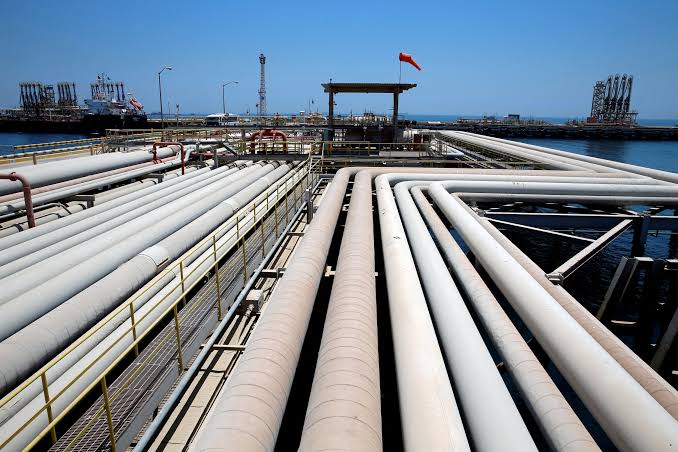
The energy sector is another concern. Saudi Arabia’s oil facilities and export infrastructure remain strategically important to international markets. Any threat to production sites, pipelines or shipping routes could have consequences extending well beyond the Kingdom.
The possibility of a wider confrontation therefore creates pressure on Saudi policymakers to balance military deterrence with diplomatic efforts to prevent further escalation.
Regional diplomacy faces a difficult test
The conflict is also taking place during a period of heightened diplomatic activity across the Middle East.
Saudi Arabia has participated in regional discussions involving Iran, Türkiye and Pakistan, with the countries seeking to maintain communication and reduce the risk of further escalation.
These diplomatic channels are important because the Yemen conflict is increasingly connected to broader tensions involving Iran, the United States, Israel and Gulf security.
However, regional discussions have not yet produced a publicly announced settlement capable of ending the fighting in Yemen or removing the immediate threat of missile attacks against Saudi territory.
For Riyadh, any lasting arrangement would need to address cross-border security, the status of Houthi military capabilities and the future political structure of Yemen.
For Yemen’s population, the priorities are more immediate: access to food, functioning hospitals, safe roads and protection from further violence.
The gap between these objectives remains substantial. Security guarantees for Saudi Arabia do not automatically resolve Yemen’s internal political divisions, while a political settlement inside Yemen would need to address the concerns of neighbouring states.
A conflict with consequences beyond Yemen’s borders
The latest events demonstrate that the conflict in Yemen has become a serious challenge for regional stability.
Missile interceptions over Riyadh show the continued vulnerability of Saudi territory to cross-border attacks, while the reported casualties in Taiz underline the devastating consequences of renewed fighting for Yemeni civilians.
The pressure on hospitals, restrictions on humanitarian access and shortages of basic supplies point to a crisis that is extending beyond the battlefield.
Saudi Arabia faces the difficult task of protecting its population and infrastructure without allowing the confrontation to develop into a wider regional war. At the same time, international and regional mediators must find ways to restore communication and reduce the intensity of the fighting.
Without progress on both fronts, the consequences are likely to extend beyond the immediate conflict zone, affecting Gulf security, international aviation, energy markets and the already fragile humanitarian situation in Yemen.