

Iraq has resumed crude oil exports through its long-dormant Kirkuk–Ceyhan pipeline to Türkiye, restoring a northern export route after more than 12 years and giving Baghdad an additional option as conflict involving Iran continues to disrupt regional energy shipments.
The pipeline restarted on 17 November at an initial rate of 120,000 barrels per day, Oil Minister Basim Mohammed Khudair announced. The government plans to increase flows gradually to 500,000 barrels per day, although it has not provided a timetable for reaching that level.
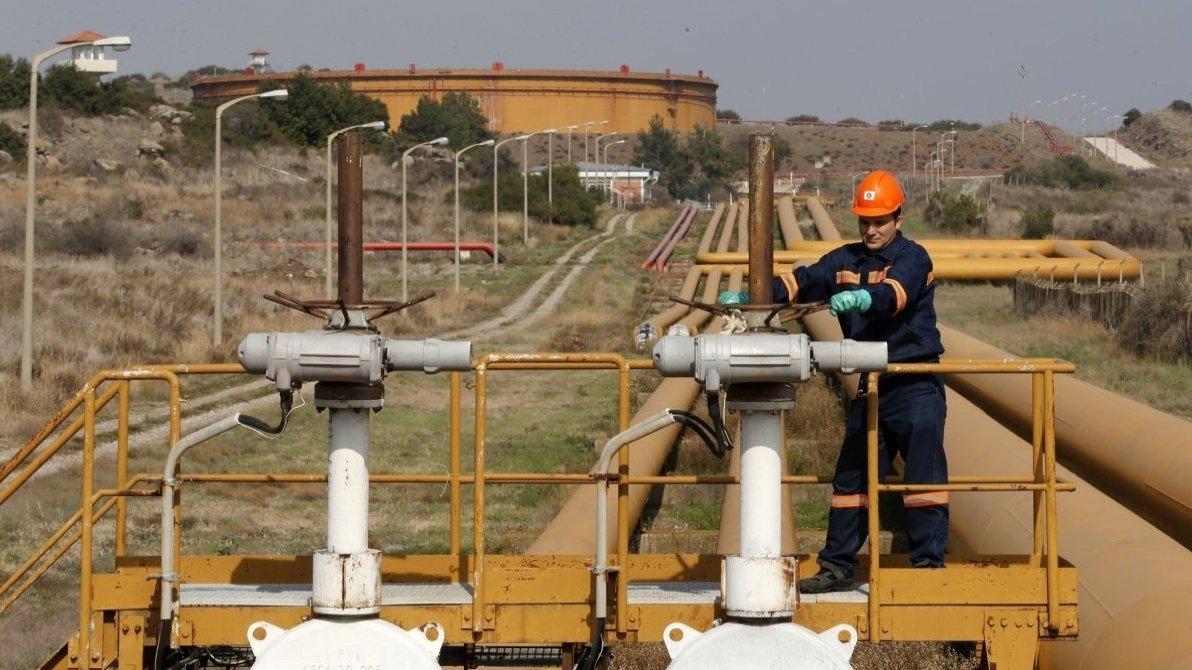
The 960-kilometre pipeline connects Iraq’s northern oil-producing region around Kirkuk with Türkiye’s Mediterranean export terminal at Ceyhan. Its reopening follows rehabilitation, maintenance and technical testing carried out by Iraqi oil-sector teams.
The restart is strategically significant for a country whose economy depends heavily on crude exports. It restores a route under federal government control and could reduce Baghdad’s reliance on southern export facilities and shipping routes exposed to disruption in the Strait of Hormuz.
However, the return of the pipeline does not automatically mean Iraq’s total oil exports will rise by the same amount. The eventual impact will depend on the availability of crude, transport arrangements and whether northern shipments add to existing exports or replace volumes sent through other routes.
A route disabled by years of conflict
The Kirkuk–Ceyhan pipeline was taken out of service in 2014 after repeated attacks by Islamic State militants damaged infrastructure along the route. The disruption came as the group seized large areas of northern Iraq, creating severe security challenges for the country’s oil industry.
The pipeline had previously been an important outlet for crude produced around Kirkuk. Before its closure, it carried volumes equivalent to approximately 0.5 per cent of global oil supply, according to Reuters.
Its shutdown forced Baghdad to rely more heavily on alternative arrangements to transport northern crude. Part of the oil was subsequently moved through infrastructure in the Kurdistan Region, which connects to the Turkish export network.
The restored federal route gives Baghdad another way to move crude towards the Mediterranean. It also reduces the extent to which the government must depend on infrastructure and commercial arrangements outside the direct control of federal oil authorities.
The rehabilitation involved technical and engineering teams from Iraq’s state-run North Oil Company and other oil-sector bodies. The Oil Ministry said maintenance, rehabilitation and operational testing had been completed before pumping resumed.
Initial flows set at 120,000 barrels per day
Oil Minister Khudair said the pipeline had restarted at 120,000 barrels per day, with the government aiming to raise the volume gradually to 500,000 barrels per day.
The minister described the reopening as a strategic step towards strengthening Iraq’s export capacity, diversifying its crude outlets and generating additional revenue. He also said oil marketed through the northern route could be sold at market prices without the discounts associated with some alternative arrangements.
The 500,000-barrel target would represent a substantial increase from the initial operating rate. However, the ministry has not specified when that level could be achieved, and the stated target should not be confused with the volume currently being exported.
The distinction matters because pipeline capacity alone does not determine how much oil a country can sell. Production levels, domestic consumption, storage, the availability of export-grade crude and transport agreements all affect the volume that can reach international buyers.
Iraq’s Cabinet also approved a recommendation concerning rehabilitation of the Iraq–Türkiye pipeline during a meeting chaired by Prime Minister Ali al-Zaidi in Najaf on 17 November. The announcement followed the Oil Ministry’s confirmation that pumping had resumed. The Cabinet statement did not provide detailed provisions or specify the additional work involved.
Hormuz disruption increases pressure for alternative routes
The reopening comes as the conflict involving the United States and Iran has disrupted oil shipments through the Strait of Hormuz, one of the world’s most important energy transport corridors.
Iraq is particularly exposed to instability in the waterway because much of its crude exports traditionally leave through southern terminals in the Gulf. Disruption to tanker movements can therefore affect the country’s ability to sell oil and receive export revenues.
The Kirkuk–Ceyhan route offers a geographical alternative. Crude can travel north through Iraq and Türkiye before reaching the Mediterranean, avoiding the need for tankers carrying that oil to pass through the Strait of Hormuz.
For Baghdad, the route is therefore valuable not only because it adds transport capacity but also because it provides greater flexibility during regional crises.
Nevertheless, the pipeline cannot immediately replace Iraq’s southern export infrastructure. Its initial rate of 120,000 barrels per day is limited compared with the country’s normal export requirements, while the proposed increase to 500,000 barrels per day remains a target rather than an achieved operating level.
The reopening should consequently be viewed as one part of a broader effort to reduce the vulnerability of Iraq’s energy sector, rather than a complete solution to the disruption affecting its oil trade.
Iraq and Türkiye seek a longer-term arrangement
The pipeline’s revival also comes amid efforts by Baghdad and Ankara to maintain stable oil transportation arrangements.
In August 2026, Iraq and Türkiye signed a one-year agreement concerning crude transportation through the Turkish pipeline system, providing for capacity of up to 750,000 barrels per day. The arrangement was intended to maintain flows while the two governments pursued a broader, longer-term agreement.
The 750,000-barrel figure refers to the capacity provided for under the transportation arrangement, not the current flow through the newly restarted Iraqi pipeline. The distinction is important because the northern export system involves infrastructure and routes with different operating arrangements.
The two governments have faced a complicated history over oil exports from northern Iraq. Disagreements concerning the authority to market crude from the Kurdistan Region led to a prolonged interruption of exports through Türkiye in 2023, following an arbitration decision involving the two countries.
The renewed cooperation reflects the importance of energy trade to both sides. Iraq needs dependable access to export infrastructure, while Türkiye benefits from its position as a transit country connecting oil-producing regions to Mediterranean markets.
A lasting agreement would help provide greater certainty for producers, traders and investors planning shipments through the corridor.
The limits of the pipeline’s immediate impact
Despite the strategic importance of the restart, the additional route may not translate directly into a comparable increase in Iraq’s overall exports.
Iraq Oil Report noted that restoring the federal section of the pipeline gives Baghdad a second northern route but may not necessarily increase total export volumes. The outcome will depend on how much crude is available and how shipments are allocated across existing routes.
If oil moved through the restored pipeline is diverted from another export channel, the change would primarily concern logistics and government control rather than a major increase in national sales. If the route enables additional production to reach international markets, the effect on export revenues could be greater.
The government will also need to demonstrate that the pipeline can operate reliably over an extended period. After years of inactivity, sustained operations will depend on maintenance, security, coordination with Turkish infrastructure operators and the resolution of any remaining technical issues.
For international buyers, reliability is as important as headline capacity. Consistent deliveries and predictable commercial arrangements will determine whether the route becomes a dependable part of Iraq’s export network.
A strategic step, but not a complete answer
Oil exports remain central to Iraq’s public finances, making the ability to transport crude a major economic and political priority. The reopening of the Kirkuk–Ceyhan pipeline gives the country an additional route at a time when regional instability has exposed the risks of relying heavily on a single export corridor.
The initial resumption at 120,000 barrels per day marks the end of a shutdown that began in 2014. The government’s longer-term objective of reaching 500,000 barrels per day could strengthen the northern corridor’s role in Iraq’s energy industry, provided the necessary supplies and transport arrangements are secured.
For now, the significance of the development lies in the restoration of an alternative route rather than an immediate transformation of export volumes. Whether it becomes a major source of additional revenue will depend on the pace of expansion, the availability of crude and the durability of cooperation between Baghdad and Ankara.
The restart gives Iraq greater room to manoeuvre in an increasingly uncertain regional energy market. Turning that advantage into sustained economic gains will require more than reopening the pipeline: it will depend on reliable operations, stable export agreements and a broader strategy to protect the country’s oil revenues from future disruptions.