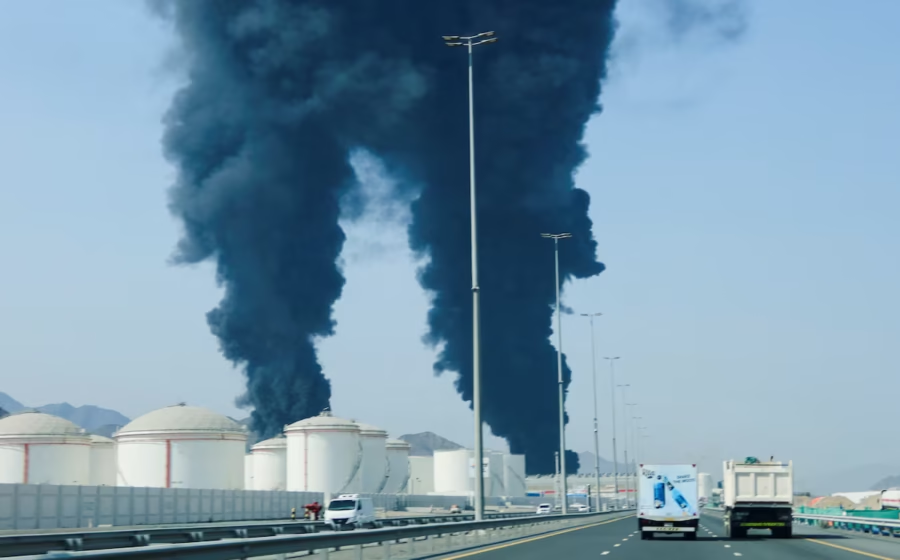


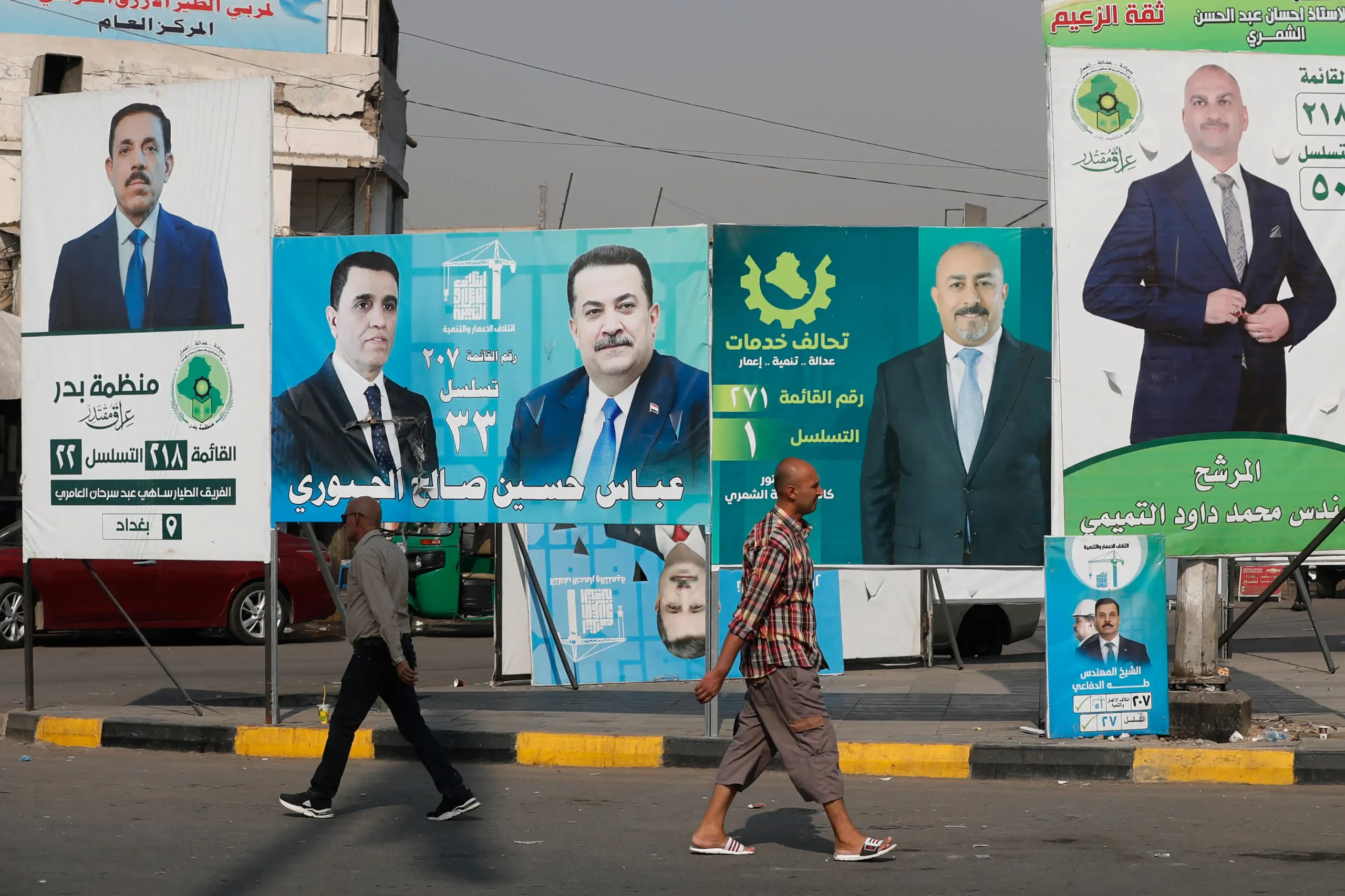
As Iraq approaches its parliamentary elections on November 11, 2025, the country faces escalating violence and security challenges that threaten the democratic process. The lead-up to this pivotal vote has been marked by bombings, targeted attacks, and widespread concerns about voter safety, underscoring the fragile state of Iraq’s political landscape and stability.
The Election’s Importance
This parliamentary election is seen as a critical moment for Iraq, giving voters the opportunity to shape the legislative body during a period of political transition and continued sectarian divisions. Many see the election as a test of Iraq’s democratic resilience after years of turmoil and foreign intervention.
Recent Violence and Security Concerns
- Bomb Attacks: Several bombings in key cities, including Baghdad and Basra, have resulted in civilian casualties and heightened fear among the electorate.
- Targeted Assaults: Political candidates and party offices have come under threat or attack, intimidating participants and supporters.
- Heightened Security: Iraqi security forces have increased patrols and checkpoints to deter violence, but challenges persist in certain hotspots.
Political Landscape and Rivalries
The elections come amid fierce competition between various sectarian, ethnic, and political groups vying for influence. Corruption scandals and governance issues have further eroded public trust, discouraging voter participation among disillusioned citizens.
Government and International Responses
Officials stress the importance of safe, transparent elections and have called on political actors to refrain from violence. The international community, including the UN and neighboring states, has offered support for electoral monitoring and peace-building efforts.
Frequently Asked Questions
Q1: How will violence affect voter turnout?
Security threats risk suppressing turnout in vulnerable areas, potentially skewing results and legitimacy.
Q2: Who benefits from election-related violence?
Extremist groups and political factions opposed to democratic reforms may seek to destabilize the process.
Q3: What measures are in place to mitigate violence?
Deployment of security forces, checkpoints, and election monitoring aim to protect polling stations and candidates.
Human Impact and Societal Context
Beyond politics, civilians live with daily insecurity and face psychological distress. Women, youth, and marginalized groups are particularly affected by the uncertainty surrounding the elections.
Outlook
Iraq’s November 11 elections are crucial for charting a peaceful political future. Success depends not only on security but on fostering inclusive dialogue and rebuilding trust in democratic institutions.
The Telegraph Middle East will provide ongoing coverage of election developments and their implications for the region.