

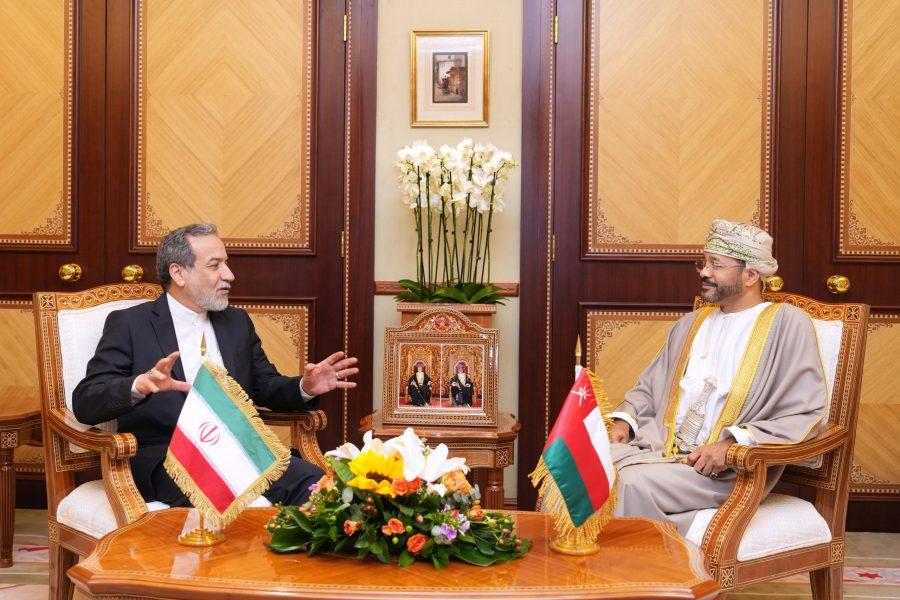
Iranian Foreign Minister Abbas Araghchi travelled to Muscat on 17 November for talks with his Omani counterpart, Badr bin Hamad Al Busaidi, as regional governments sought to contain tensions and revive diplomatic channels amid the continuing confrontation between Tehran and Washington.
The meeting focused on developments across the region, maritime security and diplomatic options for preventing the crisis from widening, according to Oman’s Foreign Ministry readout reported by local media. The discussions came as shipping through the strategically important Strait of Hormuz remained under pressure and efforts to restore an understanding between Iran and the United States faced significant obstacles.
Oman has long maintained diplomatic channels with Tehran and has previously acted as an intermediary in negotiations involving Iran and Western governments. Araghchi’s visit therefore carried significance beyond the bilateral relationship, although neither side publicly announced a breakthrough or a new agreement.
Maritime security at the centre of discussions
The Omani Foreign Ministry said the two ministers discussed regional developments, current challenges and diplomatic options to contain tensions and reactivate dialogue and negotiation tracks.
Particular attention was given to the security of maritime corridors and the need to maintain the flow of international navigation and trade. Both sides also stressed the importance of keeping political and diplomatic communication channels open, building trust and resolving outstanding issues.
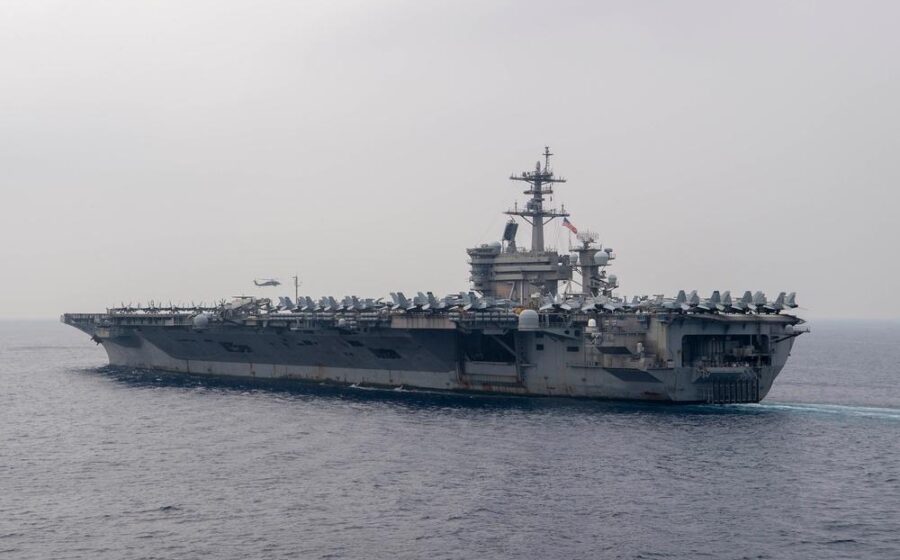
The meeting took place against the backdrop of continuing disruption and insecurity around the Strait of Hormuz, a critical passage for international energy shipments. The waterway connects the Gulf to the Gulf of Oman and the Arabian Sea, making it central to the export routes of several major oil and gas producers.
Security incidents in and around the strait have added to concerns among shipping operators and energy markets. On 17 November, maritime authorities were also responding to reports of an attack on a tanker off Oman, according to The National. The incident underlined the risks facing commercial vessels while diplomatic efforts were under way.
For Oman, which lies along the southern approaches to the strait, the security of navigation is both an economic and strategic priority. The country has an interest in preventing further escalation that could threaten trade, shipping and regional stability.
Oman seeks to keep diplomatic channels open
Oman has developed a reputation as a discreet diplomatic intermediary, maintaining working relations with Iran while also preserving close security and economic ties with Western and Gulf partners.
Muscat has previously facilitated indirect contacts between Tehran and Washington, including discussions over Iran’s nuclear programme. Its ability to communicate with different sides has made it an important channel during periods when direct engagement has been politically difficult.
The latest meeting with Araghchi reflected that continuing role. The Omani statement emphasised dialogue, mutual interests, respect for state sovereignty and the pursuit of balanced and sustainable solutions.
However, the public readout did not specify whether the ministers discussed a detailed proposal for renewed US-Iran negotiations, nor did it announce a timetable for further talks. The language indicated a shared interest in diplomacy but should not be interpreted as confirmation that a new agreement is close.
The visit also came as Oman sought to maintain its position as a regional interlocutor while tensions affected neighbouring states and vital maritime routes.
Araghchi’s regional diplomatic contacts
Araghchi arrived in Muscat from Islamabad, where he had attended a meeting of the Economic Cooperation Organization and held discussions with Pakistani officials.
Pakistan has also been involved in efforts to bring Iran and the United States back towards negotiations. The country has maintained contacts with both sides and has sought to use its diplomatic relationships to support de-escalation.
During the Islamabad leg of his trip, Araghchi met Pakistan’s Foreign Minister Ishaq Dar and other senior officials. Pakistani representatives said they had not abandoned efforts to help bring Washington and Tehran back to the negotiating table.
The sequence of visits illustrated Iran’s effort to engage regional governments as it faces military, economic and diplomatic pressure. Pakistan’s contacts and Oman’s established role as a channel between Iran and Western governments offer different avenues for communication, although neither has publicly secured a lasting settlement.
Araghchi’s regional outreach has also taken place amid consultations with other Gulf governments. These contacts reflect the wider concern among regional states that a prolonged confrontation could affect trade, energy supplies and security far beyond Iran’s borders.
A difficult path towards a US-Iran understanding
The diplomatic efforts are taking place against a fragile background. An understanding reached through Pakistani mediation earlier in the year had provided a framework for de-escalation, including arrangements related to maritime security in the Strait of Hormuz, sanctions relief and the cessation of hostilities, according to reporting by Anadolu Agency.
But disagreements over implementation and renewed military confrontations have prevented that framework from developing into a durable settlement.
The central obstacles remain substantial. Washington and Tehran have competing demands over security, sanctions and the terms of any future arrangement. The continuing military confrontation has also made it harder for either side to demonstrate that negotiations can deliver a stable outcome.
For Iran, reopening diplomatic channels could help reduce pressure on its economy and address the security risks associated with a prolonged conflict. For the United States and its regional partners, any renewed understanding would need to address the security of maritime routes and prevent further attacks across the region.
The Oman meeting did not resolve these differences. Its immediate importance lay in keeping communication open at a time when the risks of miscalculation remain high.
Gulf states face the consequences of escalation
The diplomatic push has taken place alongside mounting concern among Gulf governments over the consequences of regional instability. Attacks and threats involving military installations, energy infrastructure and commercial shipping have increased the pressure on governments to protect critical facilities and maintain economic activity.
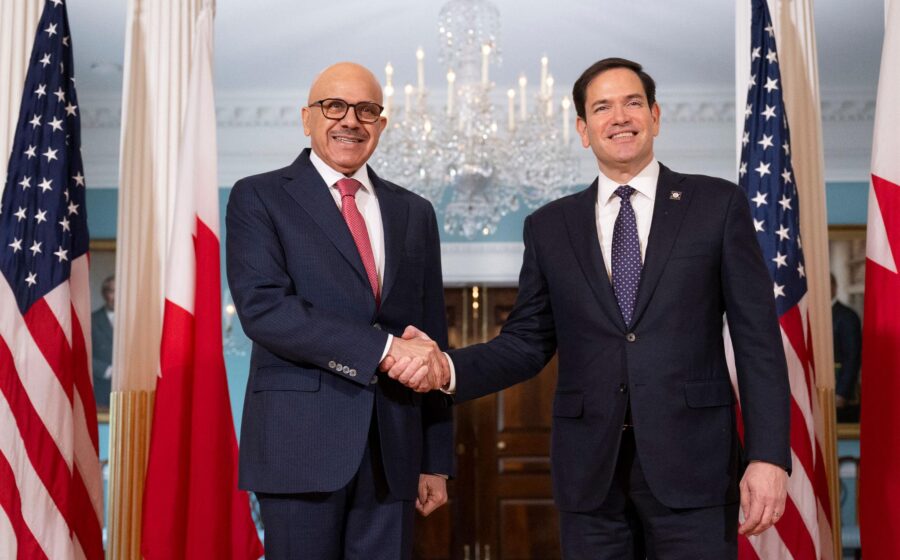
Bahrain, for example, has condemned Iranian drone attacks on its territory and called for them to stop. The United States has also publicly reaffirmed its support for Bahrain following the incidents.
Such developments complicate the diplomatic environment. Oman’s approach has traditionally emphasised dialogue and the avoidance of direct confrontation, but the wider Gulf region includes governments that have called for stronger guarantees against further attacks.
The challenge for Muscat is to encourage de-escalation without appearing to endorse the positions of any one party. Its diplomatic relationships give it access to multiple sides, but they do not guarantee that those parties will accept a compromise.
No breakthrough announced
The statements issued after the meeting offered no indication of an immediate breakthrough. There was no publicly announced joint initiative, ceasefire arrangement or confirmed date for another round of negotiations between Iran and the United States.
Instead, both ministers emphasised the need for continued diplomatic engagement and safer maritime routes. The language reflected the urgency of preventing further escalation while leaving the substance of any future negotiations unresolved.
The significance of Araghchi’s visit will therefore depend on whether the discussions lead to sustained contact and practical steps to reduce tensions. Oman’s role may prove important in preserving channels of communication, particularly if direct talks remain difficult.
For now, the Muscat meeting represents another attempt by regional diplomacy to keep the possibility of a settlement alive. With shipping security, energy flows and the stability of Gulf states at stake, the pressure to find a political way out of the confrontation remains considerable.