


Bahrain has condemned a renewed series of Iranian drone attacks on its territory and called on the United Nations Security Council to take action against Tehran, as the United States steps up diplomatic support for the Gulf kingdom amid mounting tensions across the region.
The latest incidents took place on 13 and 15 November, when Bahrain said its air defences intercepted Iranian aerial attacks before they reached their targets. Iran’s Islamic Revolutionary Guard Corps (IRGC) claimed responsibility and said it had targeted US military facilities in the kingdom.
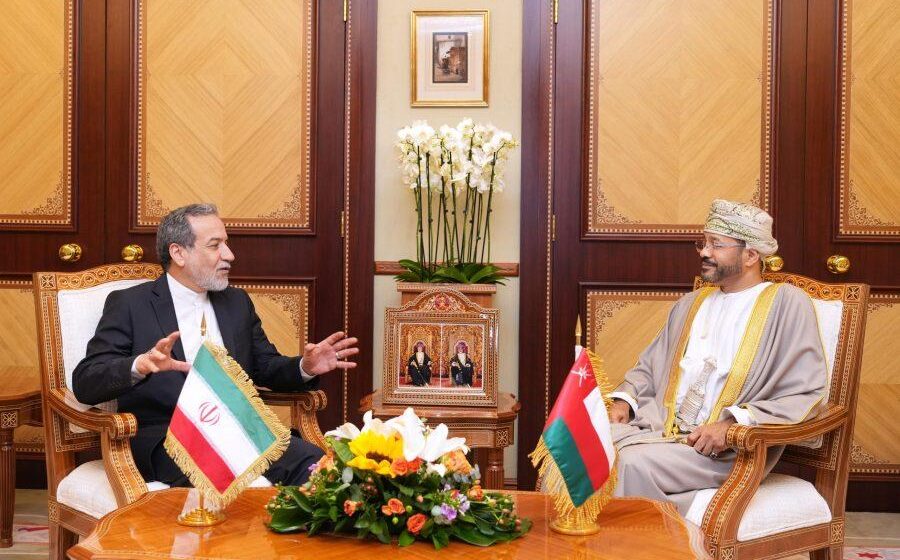
US Secretary of State Marco Rubio condemned the attacks during a telephone conversation on Monday with Bahraini Foreign Minister Abdullatif bin Rashid Al Zayani. The US State Department said Rubio had reaffirmed Washington’s commitment to Bahrain’s security and that of its Gulf partners.
The exchanges underline the growing diplomatic pressure on Iran as attacks and counterclaims threaten to undermine efforts to contain the wider conflict. They also highlight Bahrain’s position as a key US security partner and the host of the US Navy’s Fifth Fleet.
Bahrain says air defences intercepted drones
Bahrain’s Foreign Ministry said on 15 November that the kingdom had intercepted and destroyed drones launched into its airspace earlier that day. It described the incident as a continuation of Iranian attacks and said a similar episode had occurred two days earlier, on 13 November, when two drones were also intercepted.
The ministry accused Tehran of violating Bahrain’s sovereignty and territorial integrity, as well as breaching international law and United Nations Security Council Resolution 2817. The resolution condemned Iranian attacks on Bahrain and neighbouring countries and called for them to stop.
Bahrain said the attacks threatened civilians, undermined diplomatic efforts to reduce tensions and posed a danger to regional stability. It also rejected the explanations offered by the IRGC for targeting facilities in the kingdom, insisting that no justification could legitimise violations of its territory.
The IRGC said it had launched six drones on 15 November against a US air-defence radar system at the Al-Rifaa helicopter base in Bahrain. Iranian state media reported that the operation was carried out in retaliation for what Tehran described as hostile US actions.
Bahraini authorities said their air defences had intercepted several aerial attacks before they reached their targets. However, neither Bahrain nor the United States immediately confirmed that the alleged radar facility had been struck or damaged.
The distinction is important: the IRGC’s statement establishes that it claimed to have carried out an operation, but does not independently establish that the intended target was hit.

Washington reaffirms security commitment
Rubio’s call with Al Zayani on 16 November was the clearest public response from Washington to the latest incidents.
According to the State Department, the secretary of state condemned Iran’s attacks on Bahrain and reaffirmed the United States’ commitment to the security of the kingdom and its Gulf partners. The two officials also reiterated the importance of the longstanding US-Bahrain strategic partnership.
Bahrain is designated a major non-NATO ally of the United States, reflecting the depth of its defence relationship with Washington. The partnership is also underpinned by the Comprehensive Security Integration and Prosperity Agreement, which provides a framework for closer security and economic cooperation.
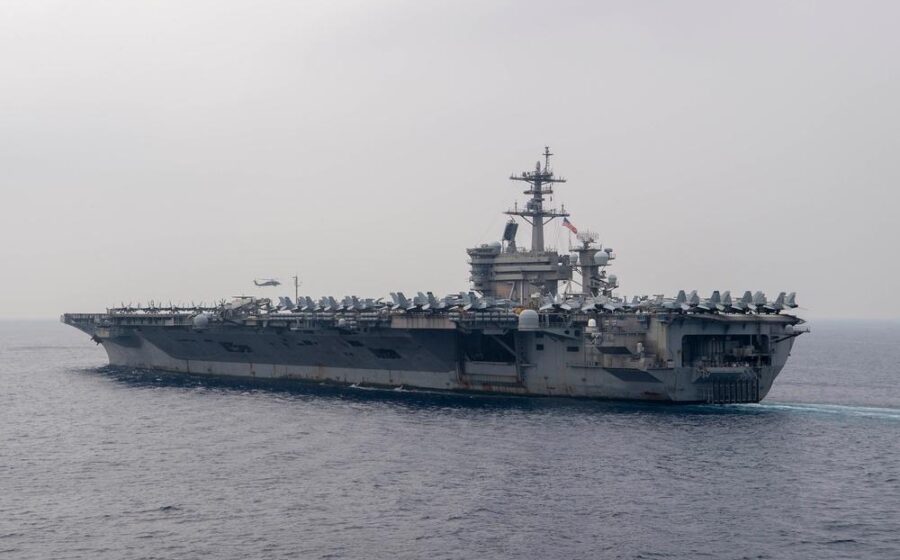
The kingdom hosts the US Navy’s Fifth Fleet, whose area of responsibility includes the Gulf, the Red Sea and parts of the Indian Ocean. Its location gives Bahrain considerable strategic importance to American military operations and maritime security in the region.
The latest attacks therefore carry implications beyond the security of Bahrain itself. Any sustained threat to facilities hosting US forces could increase the risk of a direct confrontation between Washington and Tehran, particularly while diplomatic efforts to end the wider conflict remain uncertain.
The US response has so far been expressed through diplomatic condemnation and assurances of support. The public statements do not indicate that Washington has announced a new military operation or a specific additional defence deployment in response to the latest incidents.
Manama seeks action at the United Nations
Bahrain has also sought to bring the issue before international institutions, urging the Security Council to condemn the repeated attacks and ensure Iran complies with Resolution 2817.
At a United Nations conference on establishing a Middle East zone free of nuclear weapons and other weapons of mass destruction, Bahraini representatives condemned the incidents of 13 and 15 November and demanded an immediate end to the strikes.
The kingdom argued that the attacks violated international law and undermined the principles of the UN Charter. It also said it retained the right to individual and collective self-defence under Article 51 of the charter.
Bahrain’s appeal comes after a Security Council meeting on 13 November that had been requested by the kingdom to discuss regional tensions and threats to maritime security.
Speaking on behalf of the Gulf Cooperation Council (GCC), Bahrain’s UN ambassador, Jamal Fares Alrowaiei, called for guarantees against further Iranian attacks. He argued that the safety of civilians should not be used as leverage in regional disputes.
GCC Secretary-General Jasem Mohamed Albudaiwi said Iranian strikes across the region had affected airports, ports, energy infrastructure, desalination facilities and residential areas.
The diplomatic campaign reflects wider concern among Gulf states that the conflict could expose critical infrastructure and civilian populations to further attacks. Bahrain has sought to frame the incidents not only as a bilateral dispute with Iran, but also as a threat to the security of neighbouring countries and international navigation.
Iran-US tensions complicate de-escalation
The renewed incidents come as efforts to end the conflict between Iran and the United States remain stalled.
The war began on 28 February, when the United States and Israel launched strikes against Iran. Tehran responded with missile and drone attacks on Israel and Gulf countries hosting US military facilities. Although the intensity of direct fighting has fluctuated, the conflict has continued to affect regional security and diplomatic calculations.
Reuters reported on 15 November that the latest drone claims came amid uncertainty over a possible agreement to end the conflict. US President Donald Trump had indicated that Washington might hold off on further attacks against Iran if there were no new provocations, while maintaining a naval blockade.
The attacks on Bahrain add another complication to those calculations. Washington must weigh its commitment to protecting Gulf partners against the risk that a military response could trigger a wider escalation.
Tehran, meanwhile, has portrayed its operations as retaliation for US actions. Its claims about targeting American facilities have not always been matched by independent confirmation of damage, making it important to distinguish between announced military operations and verified results.
Bahrain has rejected the argument that its territory can be treated as a legitimate target because it hosts US forces. Its Foreign Ministry said the kingdom would not accept being turned into an arena for settling disputes between other states.
Maritime security remains a wider concern
The latest diplomatic exchanges also come against a backdrop of growing anxiety over maritime security in the Gulf.
The Strait of Hormuz, through which a substantial share of global oil and gas supplies normally passes, has been central to the wider confrontation. Disruptions to shipping have increased the economic consequences of the conflict, while Gulf governments have warned that threats to commercial navigation could have effects well beyond the region.
At the 13 November Security Council meeting, Alrowaiei said approximately 1,600 vessels had been disrupted in the Strait of Hormuz and more than 23,000 seafarers had been stranded. Those figures were presented by the Bahraini envoy on behalf of the GCC and have not been independently established in the reporting reviewed.
Bahrain has argued that freedom of navigation through international straits is protected by international law and cannot be made conditional on the demands of any individual state.
The kingdom’s position reflects its concern that attacks on its territory and threats to maritime routes are connected parts of a broader regional security crisis. The presence of the US Fifth Fleet makes the country particularly exposed to the consequences of any further confrontation between Washington and Tehran.
For now, Bahrain is seeking a combination of international condemnation, Gulf coordination and continued US security backing. Rubio’s statement offers a public reaffirmation of Washington’s support, but it does not resolve the question of how the United States would respond if further attacks cause casualties or damage to American facilities.
The immediate test will be whether diplomatic pressure and regional coordination can deter further strikes. With the conflict still unresolved and competing claims over military targets continuing, the latest incidents have added to the uncertainty surrounding efforts to prevent a wider escalation in the Gulf.