

Tehran has shortened its earlier seven-day proposal, offering to restore navigation within 48 hours if Washington meets its conditions. No agreement has been reached, and major differences remain over sanctions, the US naval blockade and regional security.
Iran has proposed a two-day framework to reopen the strategically important Strait of Hormuz, offering a faster route towards restoring commercial shipping as diplomatic efforts with the United States continue through Qatari and Pakistani mediation.
Iranian Foreign Minister Abbas Araghchi said the revised proposal would require Washington to implement a series of measures on the first day, allowing Tehran to reopen the waterway and restore navigation to its previous condition on the second.
The proposal represents a significant reduction in the timeline of an earlier seven-day plan put forward by Iran. However, it remains conditional on the United States meeting Tehran’s demands, and neither side has announced a final agreement.
The diplomatic initiative comes as the eight-month conflict involving Iran, the United States and Israel continues to disrupt regional energy supplies and increase pressure on commercial shipping. The Strait of Hormuz, through which a substantial share of internationally traded oil and liquefied natural gas normally passes, remains central to negotiations over de-escalation.
Iranian negotiators concluded three consecutive days of consultations with Qatari mediators in Doha and departed on Sunday, 1 November. A draft proposal was reportedly circulating on Monday, with a further meeting possible. An official briefed on the discussions told Reuters that the delegation’s departure was not caused by difficulties in the negotiations.
From a seven-day proposal to a 48-hour framework
Araghchi explained that the latest proposal builds on a seven-day roadmap originally presented by Iran in September.
Under the earlier arrangement, Iran had proposed that the Strait of Hormuz would reopen on the sixth day if its conditions were met, with negotiations between Tehran and Washington resuming on the seventh.
Following consultations with Qatari and Pakistani officials, the timeline was shortened. Araghchi said Qatar had suggested reducing the implementation period to five days or fewer, leading to further discussions that produced the revised two-day framework.
Under the proposal described by the Iranian foreign minister, the United States would take a series of measures on the first day. Iran would then reopen the Strait of Hormuz on the second day, with maritime traffic returning to its previous condition.
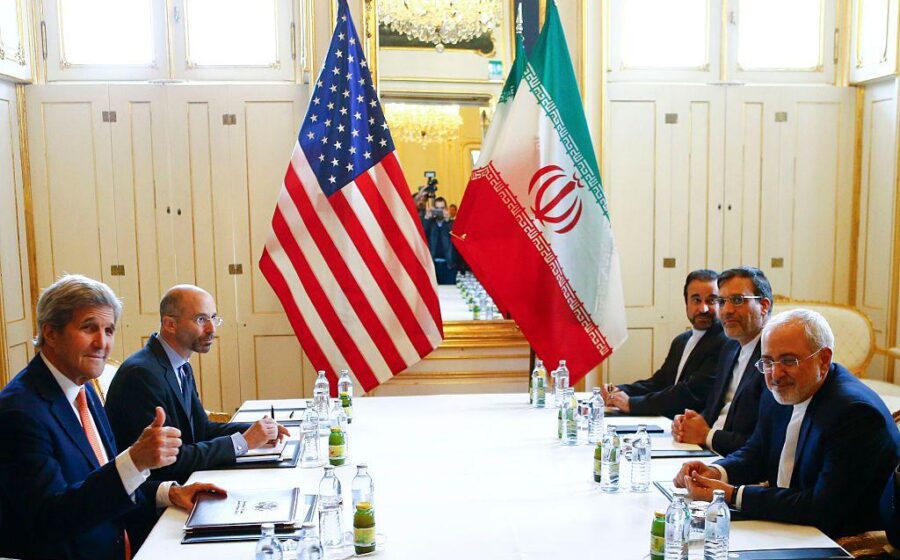
Iranian Foreign Ministry spokesperson Esmaeil Baghaei also confirmed on 2 November that Tehran was considering implementation of the plan within two days, provided its demands were addressed.
The proposal is being presented by Tehran as a practical way to restore navigation while creating conditions for renewed negotiations. However, the sequence remains dependent on Washington’s response.
What does Iran want from Washington?
The principal obstacle to an agreement remains the difference between the conditions demanded by Tehran and the position of the United States.
Iran has linked the reopening of the Strait of Hormuz to a broader package of measures addressing sanctions, the US naval blockade and regional military activity.
Araghchi said the proposal included conditions that Iran considers necessary for restoring security and normal navigation. Reporting on his comments identified several demands, including the lifting of recently imposed US sanctions, restoration of oil-export waivers previously granted to Iran, and an end to the US naval blockade on Iranian ports.
Tehran has also raised the question of frozen Iranian financial assets held abroad and the recognition of new navigation arrangements for the Strait of Hormuz.
Iran wants the wider regional conflict addressed as part of the diplomatic process, including the fighting involving Israel and Hezbollah in Lebanon.
These demands make the proposal considerably broader than a simple agreement to reopen a shipping route. Tehran is seeking political and economic concessions that would affect its position in the region and its ability to export energy.
The United States has not publicly accepted the two-day framework or confirmed that it is prepared to meet Iran’s conditions. Washington has also maintained pressure on Iran through its naval measures and sanctions policy.
Qatar and Pakistan emerge as key intermediaries
The latest diplomatic activity has highlighted the role of Qatar and Pakistan in facilitating communication between Washington and Tehran.
Qatari officials have held consultations with Iranian representatives, including a visit to Tehran before the discussions continued in Doha. Pakistan has also participated in the mediation process, with its officials maintaining contact with both sides.
The arrangement is particularly important because direct negotiations between the United States and Iran remain politically difficult. Indirect communication allows both governments to exchange proposals without immediately committing to formal bilateral talks.
The departure of the Iranian delegation from Doha on Sunday initially raised questions about the status of the negotiations. However, an official briefed on the discussions told Reuters that the departure was not due to difficulties and that a draft proposal was circulating.
Iranian officials have also indicated that communication through intermediaries is continuing.
Despite these developments, mediation should not be confused with an agreement. The parties have yet to announce that they have accepted a common set of conditions, and the practical arrangements for reopening the waterway remain unresolved.
Why the Strait of Hormuz matters
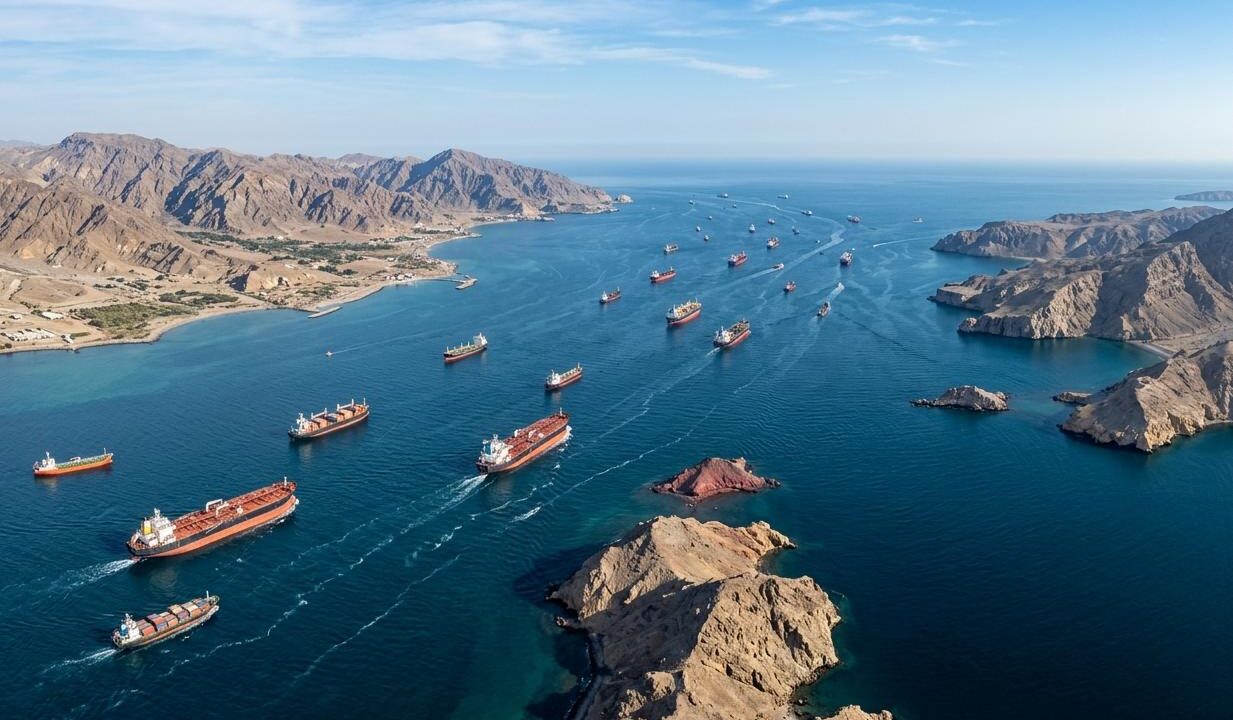
The Strait of Hormuz is one of the most important maritime chokepoints in the global economy.
Located between Iran and Oman, it connects the Arabian Gulf with the Gulf of Oman and the wider Indian Ocean. Under normal conditions, a substantial proportion of global oil and LNG shipments passes through the route.
The waterway is particularly important to energy exporters in the Gulf, including Saudi Arabia, Iraq, Kuwait, Qatar and the United Arab Emirates. It is also a critical route for buyers in Asian economies that depend on imported energy.
The prolonged conflict has severely disrupted maritime activity in the region. Attacks on commercial vessels, restrictions on navigation and the competing military measures imposed by Iran and the United States have increased uncertainty for shipping operators.
The consequences extend beyond the energy sector. Shipping delays, higher security costs and uncertainty over insurance arrangements can affect the price of goods and the reliability of international supply chains.
For India, which imports substantial quantities of crude oil and natural gas, the security of Gulf shipping routes is particularly important. Any prolonged disruption could complicate energy procurement, increase freight costs and add pressure to domestic fuel markets.
A reopening under a credible agreement could improve confidence among shipping companies and energy buyers. However, a political announcement alone would not guarantee an immediate return to normal traffic. Operators would need reliable security assurances and clarity over navigation procedures before resuming normal operations.
Military tensions continue alongside diplomacy
The renewed diplomatic effort is taking place against a backdrop of continued military warnings from both sides.
Iranian officials have repeatedly said the country is prepared to respond to any further attacks. Supreme Leader Mojtaba Khamenei has instructed the armed forces to prepare for potential threats, while senior security officials have warned of retaliation if the United States or Israel resumes military action.
US President Donald Trump has described recent negotiations as productive but has not ruled out further military action. US Secretary of State Marco Rubio has said Washington remains open to a diplomatic solution.
The timing is sensitive. The US midterm elections scheduled for 3 November have become an important political consideration in the wider confrontation, with Trump indicating that the United States would not launch new attacks on Iran before the vote. That statement does not amount to a commitment against military action afterwards.
The combination of diplomatic engagement and military warnings illustrates how fragile the current situation remains. Both sides appear to be keeping diplomatic channels open while maintaining the possibility of further confrontation.
What happens next?
The immediate question is whether Washington will respond positively to the conditions outlined by Tehran.
If the United States accepts the proposed sequence, the two-day framework could provide a route towards restoring navigation through the Strait of Hormuz and restarting broader negotiations.
If the parties remain divided over sanctions, the naval blockade and regional security, however, the proposal could stall before implementation.
A further challenge will be establishing how any reopening is monitored and guaranteed. Shipping companies will need clarity over safe passage, possible restrictions on particular vessels and the role of military forces operating in the region.
For Qatar and Pakistan, the challenge will be to turn indirect communication into a workable agreement that both governments can defend domestically.
For now, Iran’s proposal represents a possible diplomatic opening rather than a breakthrough. The Strait of Hormuz has not been confirmed as reopened under the proposed arrangement, and no final agreement has been announced.
The next phase will depend on whether Washington and Tehran can move beyond competing demands and agree on practical steps to restore maritime security. Until then, one of the world’s most important energy routes will remain exposed to the risks of the wider conflict.