


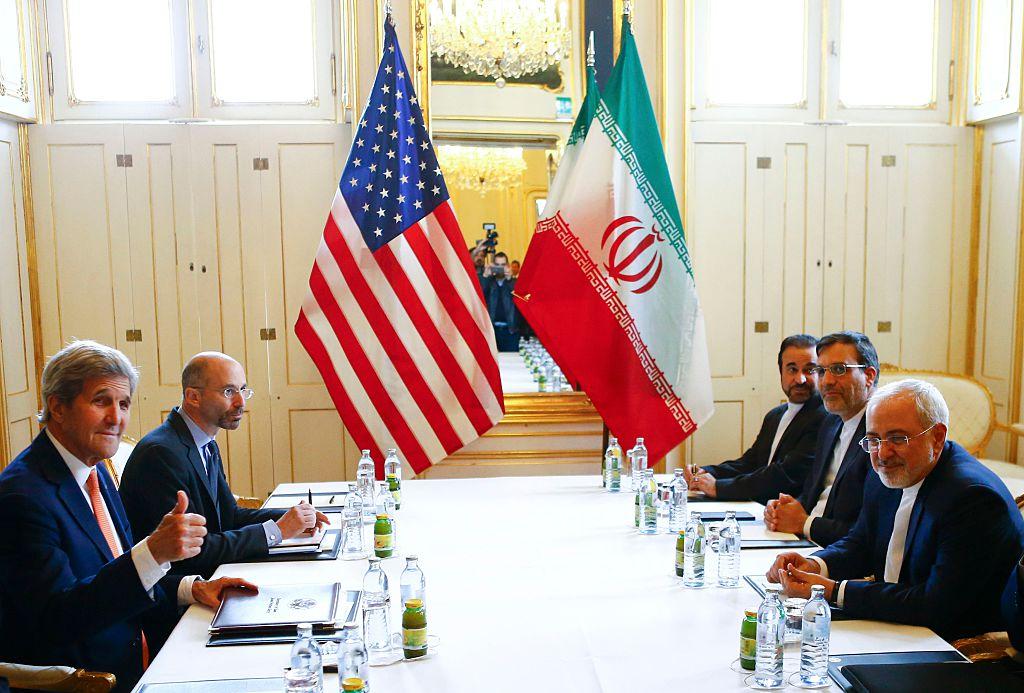
Reports of a letter from Vice President JD Vance to an Iranian security official have renewed speculation about negotiations, but disagreements over sanctions, the Strait of Hormuz and the nuclear programme continue to complicate efforts to end the conflict.
Washington and Tehran exchange signals as diplomatic pressure grows
Diplomatic activity between the United States and Iran has raised fresh questions about whether the two countries could return to negotiations, even as military tensions and economic pressure continue to shape the regional crisis.
Iranian media reported on Thursday that Tehran had received a message from US Vice President JD Vance addressed to Mohsen Rezaei, secretary of Iran’s Supreme National Security Council. The message had not received a response, according to Iranian reports.
The reported correspondence followed media accounts that Vance had written to Rezaei in an effort to revive peace negotiations. US President Donald Trump, however, described the outreach differently, saying it concerned assistance with medical supplies rather than restarting peace talks.
The distinction is significant. While the reported communication suggests that channels between Washington and Tehran may remain open, neither government has publicly confirmed that a new round of formal negotiations has been agreed.
The latest developments come as the conflict involving Iran, the United States and Israel continues to affect regional security, shipping routes and energy markets. With Gulf countries increasingly concerned about further escalation, diplomatic efforts are facing pressure to produce a workable arrangement before the conflict spreads further.
Vance’s reported letter adds uncertainty to US diplomatic strategy
The reported letter has become an important development because it raises questions about the Trump administration’s immediate approach to Iran.
Reuters reported on 29 October that US media outlets had said Vance sent correspondence to Rezaei at Trump’s direction, seeking to revive negotiations. Reuters said it could not independently verify those reports.
Trump subsequently told reporters that the communication was related to Iran’s need for medical supplies and other assistance. He said Vance had asked for his view and that he had permitted the outreach.
Iranian news agencies Tasnim and Fars reported that the country had received a message but had not responded. Neither the full contents of the correspondence nor the precise conditions attached to it have been made public.
The different descriptions from Washington and Iranian media leave the diplomatic significance of the communication uncertain. It could represent a limited humanitarian exchange, an attempt to establish contact or part of a broader effort to reopen negotiations. Without the text of the letter or an official account from both governments, its purpose cannot be established conclusively.
For now, the correspondence should not be treated as evidence that a peace agreement is close. The two governments continue to disagree over the terms required to end the conflict and the order in which concessions should be made.
Qatar and Pakistan remain central to mediation efforts
Regional mediators have continued to explore ways of bringing Washington and Tehran back to the negotiating table.
Qatar and Pakistan have played important roles in facilitating communication between the two sides. Doha recently presented Iran with a draft proposal intended to end the conflict, according to Reuters reporting on 28 October.
An official briefed on the negotiations said the proposal contained a seven-day sequence of confidence-building measures addressing the concerns of both countries. Several states could potentially act as guarantors if an agreement were reached.
However, a senior Iranian official described the ideas presented by Qatar as unacceptable and said they did not amount to a formal offer. Tehran also maintained its position that it would not show flexibility on the nuclear issue under the proposed conditions.
The disagreement demonstrates the difficulty facing mediators. Even when both sides remain interested in avoiding a wider conflict, they have different expectations about what should happen first.
Pakistan’s involvement has also extended beyond the direct US-Iran channel. Islamabad has sought to maintain communication with Tehran while preserving its close security relationship with Saudi Arabia. Qatar, meanwhile, has continued to use its diplomatic position to facilitate exchanges between governments.
The involvement of regional states could provide additional channels for communication, but it cannot guarantee that Washington and Tehran will accept the same settlement.
Strait of Hormuz emerges as a major obstacle to an agreement
The Strait of Hormuz remains one of the most consequential issues in the negotiations.
The narrow waterway connects the Persian Gulf with the Gulf of Oman and is a critical route for international energy shipments. Restrictions on shipping through the strait have created uncertainty for oil markets and increased concerns among countries dependent on energy imports.
Iran has indicated that reopening the waterway is linked to broader demands, including changes to US economic and military pressure. Tehran has called for the removal of the US naval blockade on Iranian ports and relief from sanctions affecting its oil exports.
Washington, however, has maintained pressure on Iran through restrictions intended to limit its ability to generate revenue from energy exports.
The disagreement is not simply about whether commercial vessels can pass through the strait. It is also about the wider economic and security arrangements that would govern the region after a ceasefire.
For Gulf countries, a prolonged disruption would threaten shipping, trade and investor confidence. For international energy markets, uncertainty around the route can influence oil prices even without a complete interruption of supplies.
A credible agreement would therefore need to address maritime security and freedom of navigation alongside the wider political dispute.
Nuclear programme dispute continues to divide the two sides
Iran’s nuclear programme remains another major obstacle to negotiations.
Washington wants the nuclear issue included in discussions aimed at ending the conflict. The United States and its partners have long expressed concerns about the potential military dimensions of Iran’s nuclear activities.
Tehran rejects the characterisation of its programme as a weapons project and has resisted efforts to make nuclear concessions a precondition for addressing other issues.
This disagreement has complicated previous diplomatic efforts. The United States wants assurances that Iran’s nuclear capabilities will not pose a future security threat, while Iran is seeking relief from sanctions and restrictions that have placed pressure on its economy.
The question of international inspections is also important. Access for international nuclear inspectors and the ability to verify the status of nuclear facilities could become central to any future arrangement.
However, the two sides have not publicly agreed on a common framework that would resolve these differences.
The nuclear dispute also creates a problem of sequencing. Washington may seek nuclear commitments before easing pressure, while Tehran wants sanctions and blockade-related issues addressed before making further concessions.
Unless a compromise can be found, even progress on maritime or humanitarian issues may not be enough to secure a comprehensive settlement.
Gulf security concerns are increasing as regional tensions spread
The diplomatic discussions are taking place against a wider deterioration in regional security.
Saudi Arabia has faced repeated threats linked to the conflict involving Iran and the Houthis in Yemen. Missile and drone activity has increased concerns about the security of airports, oil facilities and other critical infrastructure.
The situation has also brought Saudi Arabia, Türkiye and Pakistan into closer diplomatic engagement with Iran.
On 26 October, senior representatives from the four countries met in Tehran. The discussions involved Saudi Defence Minister Prince Khalid bin Salman, Pakistan’s army chief Field Marshal Asim Munir and Turkish intelligence chief Ibrahim Kalin, alongside senior Iranian officials.
According to Al Jazeera’s reporting, the participants agreed to continue dialogue on regional peace and security. Saudi Arabia said its engagement was intended to open negotiating channels and prevent a return to military escalation.
The meeting was important because it brought together countries with different security relationships and interests. Saudi Arabia has faced direct threats from the regional conflict, Pakistan maintains ties with both Riyadh and Tehran, and Türkiye has sought a greater diplomatic role in regional affairs.
However, the meeting did not produce a publicly announced comprehensive settlement. The continuing attacks and disagreements demonstrate that diplomatic engagement has yet to translate into a durable security arrangement.
Oil markets and international trade remain exposed
The uncertainty surrounding negotiations has consequences well beyond the immediate parties to the conflict.
The Strait of Hormuz is a major route for international oil and gas shipments. Any prolonged disruption can affect energy prices, shipping costs and the financial outlook for importing economies.
Oil markets have responded to developments on both the diplomatic and military fronts. Reports of possible renewed negotiations have offered some relief to traders, while attacks on energy infrastructure and concerns about further military action have kept supply risks elevated.
For countries that rely heavily on imported energy, including India, volatility in international oil prices can increase pressure on import bills, inflation and transport costs.
Businesses involved in shipping, aviation, manufacturing and energy-intensive industries also face uncertainty when insurance costs and delivery schedules become difficult to predict.
A diplomatic settlement could reduce some of these risks, but markets are unlikely to treat informal contacts as a substitute for a verified agreement. The details of any ceasefire, the status of the blockade and the reliability of shipping through the strait would all matter.
A diplomatic opening, not yet a breakthrough
The latest reports suggest that communication between Washington and Tehran has not entirely stopped. The reported Vance letter, Qatar’s mediation efforts and regional discussions involving Saudi Arabia, Türkiye and Pakistan indicate that several channels remain active.
But the gap between contact and agreement remains substantial.
The United States and Iran continue to disagree over sanctions, the naval blockade, the nuclear programme and the conditions required to restore normal shipping through the Strait of Hormuz. Regional security concerns add another layer of complexity, particularly as tensions involving Saudi Arabia and Yemen continue.
The coming days may provide greater clarity on whether the reported correspondence leads to substantive negotiations. For now, neither side has announced a confirmed new round of formal peace talks or a comprehensive agreement.
The central question is whether diplomatic engagement can move beyond exchanging messages and produce a sequence of commitments that both governments consider acceptable.
Until that happens, the region will remain exposed to the possibility of renewed escalation, with consequences for Gulf security, global energy markets and international trade.