

Yemen’s Houthi movement has claimed responsibility for six missile and drone attacks targeting airports, oil facilities and military infrastructure across Saudi Arabia, raising fresh concerns over regional security despite recent diplomatic efforts to ease tensions between Riyadh and Tehran.
The announcement, made by Houthi military spokesperson Yahya Saree, comes amid an intensifying confrontation between the Iran-aligned group and Saudi-backed forces in Yemen. It also follows a rare diplomatic meeting in Tehran involving senior representatives from Saudi Arabia, Iran, Türkiye and Pakistan, where participants discussed regional security and the need to resolve disputes through dialogue.
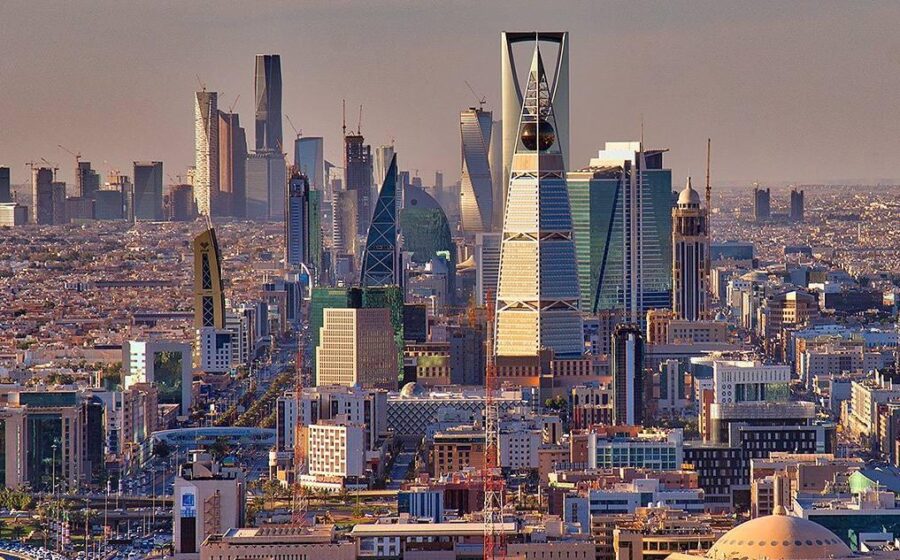
According to Saree’s statement, the operations targeted major commercial and military installations across Saudi Arabia, including facilities in the Eastern Province, Riyadh, the Red Sea coast and the southern region of Najran.
The six claimed targets included the Ras Tanura oil refinery, a Saudi Aramco facility in Abqaiq, King Khalid International Airport in Riyadh, King Fahd International Airport in Dammam, the Rabigh oil refinery and a Saudi military headquarters in Najran.
The Houthi announcement has not been independently verified. Saudi authorities have separately reported intercepting ballistic missiles directed towards Riyadh, while the Saudi-led coalition also announced the interception of a drone over the Mecca region. The Houthis denied responsibility for the latter incident.
The developments underline the growing difficulty of containing the Yemen conflict, particularly as attacks and counterattacks increasingly threaten infrastructure with importance extending beyond the country’s borders.
Six targets identified in Houthi military statement
In a statement published on Thursday, Houthi military spokesperson Yahya Saree described the operations as attacks against what the group characterised as important Saudi commercial and military infrastructure.
The claimed targets were spread across several strategically important locations.
In Saudi Arabia’s Eastern Province, the group said it targeted the Ras Tanura oil refinery and an Aramco facility in Abqaiq using ballistic missiles. It also claimed to have launched a drone towards King Fahd International Airport in Dammam.
In the western part of the kingdom, the Houthis said they targeted the Rabigh oil refinery with a ballistic missile. The group further claimed that multiple missiles were directed towards King Khalid International Airport in Riyadh.
The sixth claimed target was a Saudi military headquarters in the southern Najran region, close to the country’s border with Yemen.
Saree presented the operations as a coordinated military campaign against facilities that the group considers strategically important to Saudi Arabia.
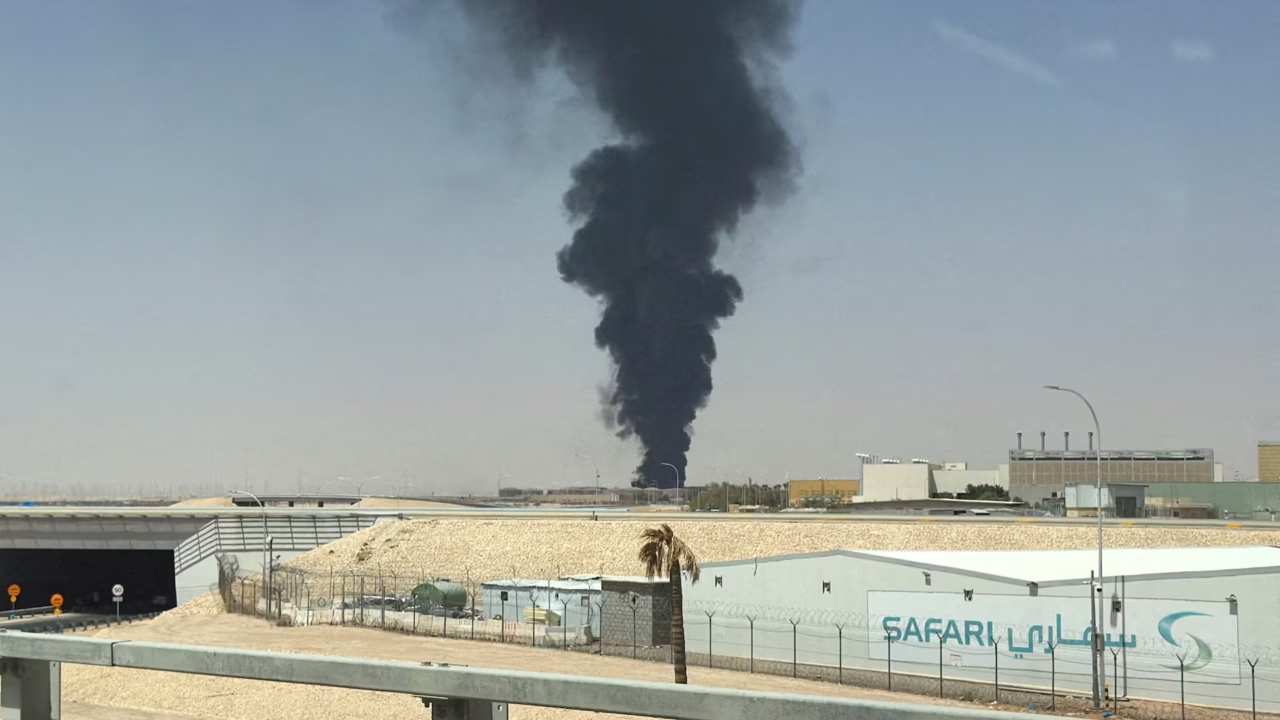
However, the claims of successful strikes, damage to infrastructure and military casualties have not been independently established. There has also been no independently verified confirmation that the targeted airports or refineries suffered operational disruption as a result of the six claimed operations.
The distinction is important because military statements issued by parties involved in an armed conflict may describe attempted attacks, intercepted weapons and alleged successful strikes differently.
For Saudi Arabia, the immediate security challenge is to protect critical infrastructure while preventing further escalation along its southern border.
Saudi air defences report intercepting missiles targeting Riyadh
The latest Houthi announcement follows separate reports from the Saudi-led coalition that its air-defence systems intercepted and destroyed two ballistic missiles directed towards Riyadh.
Coalition spokesperson Turki al-Maliki said the missiles had been intercepted before reaching their intended targets.
Saudi Civil Defence subsequently reported that falling shrapnel from the interceptions injured one Saudi citizen in Riyadh. Debris also damaged a residential property and a vehicle, according to information carried by Saudi state media.
The incident demonstrates that even successful interceptions can create risks for civilians and residential areas.
Missile-defence systems are designed to reduce the possibility of weapons reaching their targets, but debris from intercepted missiles can fall over populated locations. The potential consequences depend on the location of the interception, the weapon involved and the circumstances on the ground.
Authorities had also issued warnings about potential incoming threats in Riyadh, Al-Kharj and Najran, highlighting the geographical extent of the security concerns.
Separately, the Saudi-led coalition said it had intercepted and destroyed a drone over the Mecca region on Friday. The Houthi movement denied launching that particular drone, with Saree describing the coalition’s account as false.
The competing statements illustrate the difficulties involved in establishing responsibility for individual incidents during a period of heightened military activity.
Tehran diplomatic meeting faces an early test
The latest military developments have raised questions about the effectiveness of diplomatic efforts involving Saudi Arabia and Iran.
Earlier in the week, senior officials from Saudi Arabia, Iran, Türkiye and Pakistan met in Tehran to discuss regional peace and security.
The meeting was particularly significant because it brought together representatives of countries with different strategic interests but a shared interest in preventing a wider regional confrontation.
The discussions were hosted by Iranian security chief Mohsen Rezaei. Saudi Defence Minister Khalid bin Salman, Pakistan’s army chief Asim Munir and Turkish intelligence chief Ibrahim Kalin also attended.
An Iranian statement carried by the Fars news agency said participants had agreed to continue discussions aimed at strengthening cooperation among the four countries.
Saudi Arabia’s Foreign Ministry separately emphasised the importance of establishing channels for negotiations to prevent a return to military escalation.
The Houthi announcement presents an immediate challenge to the diplomatic atmosphere created by those discussions.
Although the meeting was intended to encourage dialogue, the continued exchange of military attacks between Houthi forces and Saudi-backed forces in Yemen demonstrates that diplomatic engagement has not yet translated into a comprehensive reduction in hostilities.
There is also a distinction between discussions involving national governments and the ability of those governments to influence armed groups operating in regional conflicts.
Even when diplomatic relations improve, separate military calculations and local conflicts can continue to drive violence.
For Riyadh, the challenge is to pursue diplomatic engagement without leaving Saudi territory and critical infrastructure exposed to further attacks.
Why Saudi oil infrastructure is a strategic target
Saudi Arabia’s oil industry gives the kingdom a central position in the global energy market.
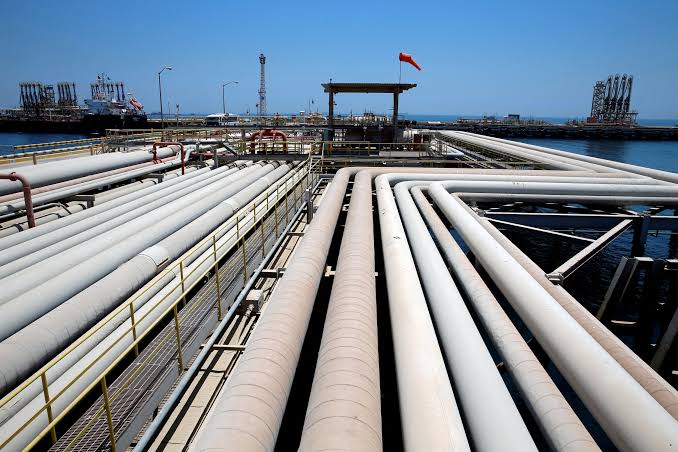
Facilities such as Ras Tanura and Abqaiq are important components of the country’s energy infrastructure, supporting the processing, handling and distribution of petroleum products.
Ras Tanura is a major oil-export and refining centre on Saudi Arabia’s eastern coast. Abqaiq is particularly important for crude-oil processing and the preparation of crude for transportation and export.
Any confirmed disruption to these facilities could have implications extending well beyond Saudi Arabia.
International energy markets closely monitor developments affecting major production, processing and export infrastructure. Even the possibility of damage can influence market sentiment, particularly when regional shipping routes are already experiencing security concerns.
The latest claims come at a time when oil prices have been highly sensitive to developments involving Iran, Saudi Arabia and commercial shipping through the Strait of Hormuz.
For energy-importing countries, including India, sustained instability in the Gulf could translate into higher crude-import costs and additional pressure on fuel prices and inflation.
It is important, however, not to assume that the latest Houthi claims have resulted in actual production losses. Independent confirmation of damage or operational disruption is necessary before drawing conclusions about the impact on Saudi oil supplies.
The wider concern is the possibility that repeated threats against energy infrastructure could increase the cost of protecting facilities and transporting petroleum products.
Airports and military installations add another dimension to the conflict
The inclusion of King Khalid International Airport and King Fahd International Airport among the Houthi group’s claimed targets highlights the potential threat to civilian aviation.
Both airports are important transport hubs serving major Saudi population and economic centres.
King Khalid International Airport connects Riyadh with international destinations and supports the movement of business travellers, tourists and residents. King Fahd International Airport serves Dammam and the wider Eastern Province, an important industrial and energy-producing region.
An attack that disrupts airport operations could affect airlines, passengers, cargo movements and business activity.
However, the Houthi claims of targeting these airports should not be confused with independently confirmed damage or closures. No verified evidence in the reporting cited here establishes that either airport sustained damage during the six claimed operations.
The threat itself nevertheless raises questions about the security of civilian aviation during periods of regional military escalation.
Airlines and aviation authorities generally assess risks using information from governments, aviation regulators and security agencies. Changes to flight routes, airspace restrictions or operational schedules can have consequences for passengers and commercial transport.
The claimed attack on a military headquarters in Najran also reflects the continuing importance of the Saudi-Yemeni border, where the conflict has repeatedly threatened military positions and nearby civilian communities.
Yemen’s conflict continues to threaten regional stability
The latest escalation is part of a much longer conflict that has devastated Yemen and contributed to one of the world’s most severe humanitarian crises.
The Houthis seized Yemen’s capital, Sanaa, in 2014, triggering a wider political and military confrontation. In 2015, a Saudi-led coalition intervened in support of the internationally recognised Yemeni government.
Years of fighting have left large parts of Yemen facing food insecurity, damaged infrastructure, displacement and limited access to essential services.
The conflict has also developed into a broader regional security issue because of the involvement of neighbouring states and the movement of weapons across borders.
For Saudi Arabia, the security of its southern border remains a major national concern. For Yemen’s internationally recognised government, continued Houthi military operations complicate efforts to restore control over territory and establish stable institutions.
The latest developments also place additional pressure on international diplomatic efforts to prevent the conflict from expanding.
The humanitarian consequences deserve particular attention. Military escalation can disrupt trade, restrict access to essential supplies and make it more difficult for aid organisations to reach vulnerable communities.
Any prolonged increase in hostilities risks further worsening conditions for civilians who have already endured years of conflict.
What happens next for Saudi Arabia and Yemen?
The immediate priority for Saudi Arabia is likely to remain the protection of critical infrastructure, civilian aviation and major population centres.
The kingdom will also need to assess how to respond to continued Houthi military activity without creating conditions for an even wider confrontation.
Diplomatic engagement with Iran, Türkiye and Pakistan may provide opportunities to reduce tensions, although the latest developments demonstrate that regional talks alone may not be sufficient to halt the conflict.
The international community will also face pressure to strengthen diplomatic efforts and encourage measures that protect civilians and commercial infrastructure.
For the Houthis, the announcement of six claimed attacks represents a further attempt to demonstrate their ability to threaten important Saudi targets. However, the absence of independent confirmation means that the extent of the operations’ success remains unclear.
The coming days will be important in determining whether the reported interceptions and Houthi claims develop into a sustained escalation or become another episode in the ongoing cross-border confrontation.
For now, the contrast between diplomatic engagement in Tehran and military threats directed towards Saudi Arabia highlights the fragile state of regional security.
The challenge for the countries involved will be to prevent further attacks from undermining diplomatic efforts and turning an already destructive conflict into a wider regional crisis.
Sources used for the reporting: Al Jazeera’s original report dated 30 October, Reuters’ report on the disputed drone interception, and Gulf News’ reporting on the six claimed operations