


MUSCAT — July 4, 2026: The new vehicle aims to provide structured capital for viable property projects as the Sultanate builds momentum under Oman Vision 2040. The development is relevant to Telegraph Middle East readers because it connects directly with the publication’s core coverage of Gulf business, public policy, investment, markets and regional affairs.
The story is not only about a headline figure or a single official decision. It is about how the Middle East is adjusting to a period in which energy routes, capital flows, government policy, consumer confidence and geopolitical risk are moving together. In that environment, a development in one sector can quickly shape decisions in another.
Oman launched the Oman Real Estate Development Fund with a target of at least 96 million Omani rials, or about $249.4 million.
The initiative is a partnership between TANMIA and FIM Partners Muscat.
The fund will invest in economically viable real estate projects through instruments including preferred equity.
Oman property transactions rose 18.4% year on year to 678 million rials in the first quarter of 2026.
Taken together, these details indicate that the region is moving through a phase of cautious adjustment rather than simple recovery or deterioration. The facts point to measurable activity, but they also show why decision-makers remain careful about treating one week of data as a lasting trend.
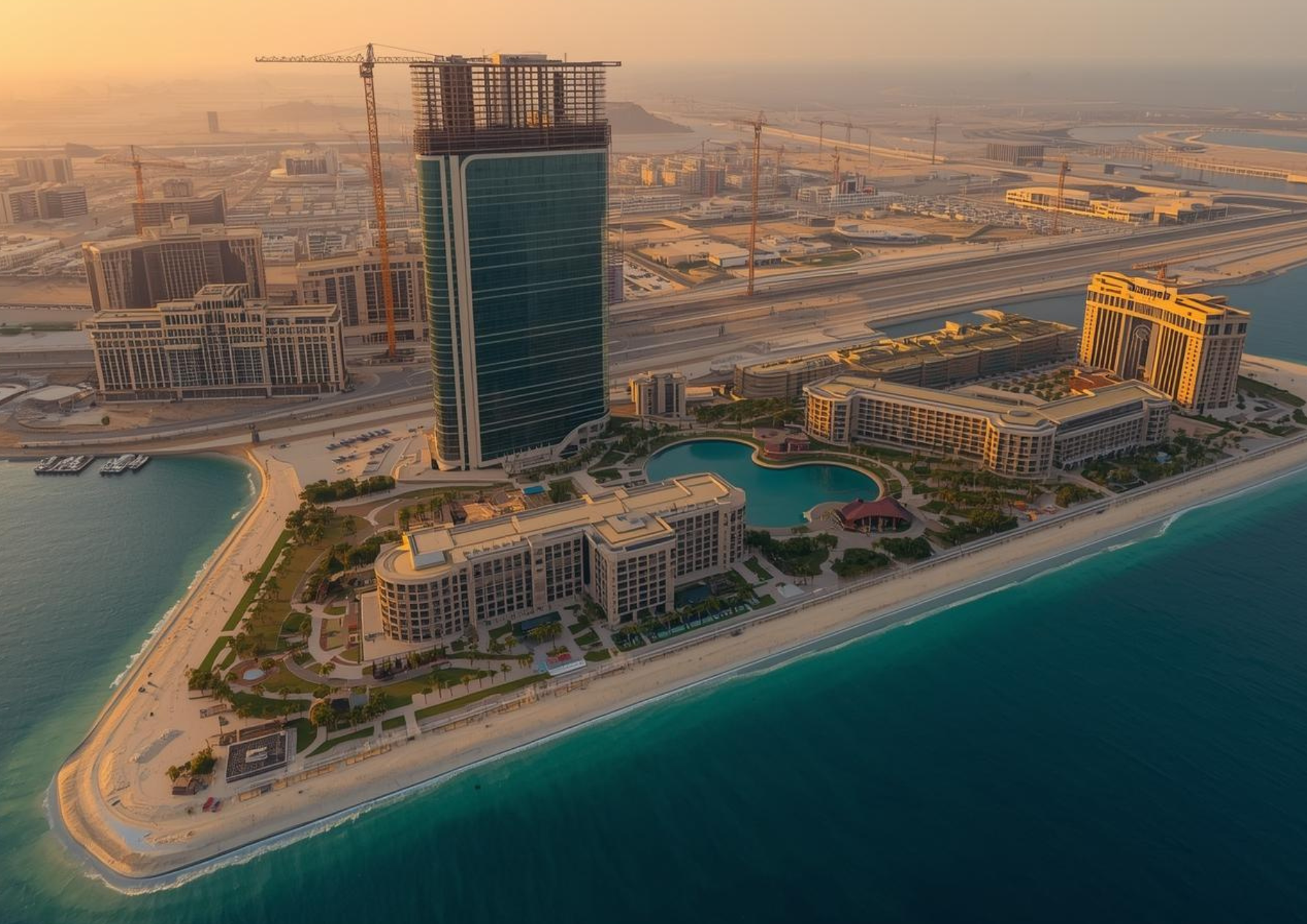
Real estate development across the Gulf is increasingly being linked to institutional capital rather than speculative construction alone. Funds, REITs, preferred-equity structures and public-private vehicles can give developers access to longer-term finance while giving investors exposure to income-generating assets. That model is important in markets seeking sustainable urban expansion.
Oman’s case is particularly relevant because its development strategy is not built on scale alone. The Sultanate is attempting to combine tourism, logistics, residential demand and measured foreign investment under Oman Vision 2040. A well-governed development fund can help prioritise projects with genuine demand rather than simply adding supply to the market.
The quality of execution will determine the result. Strong governance, clear project selection, disciplined leverage and transparent reporting will matter as much as the headline size of the fund.
The fund illustrates how Oman is using institutional capital to accelerate development without relying only on conventional bank lending.
Structured financing could help developers move projects from planning to execution.
The real test will be whether the vehicle supports projects linked to tourism, logistics and urban demand rather than speculative supply.
For policymakers, the priority is to preserve confidence while avoiding overstatement. For companies, the priority is operational flexibility: the ability to adapt procurement, pricing, staffing, financing and customer strategy as conditions change. For investors, the key question is whether short-term uncertainty is masking durable structural growth or exposing weaknesses that were previously hidden by abundant liquidity.
The next indicators to watch will be official follow-up data, sector-level statements, shipping and travel activity, lending conditions, company guidance and the tone of regional diplomacy. Telegraph Middle East will continue to treat confirmed data as the basis for analysis and will avoid presenting projections or source-based claims as settled outcomes.
The wider context is that the Gulf is attempting to protect its reputation as a reliable centre for capital, trade and services while operating in a region where security developments can change the cost of doing business quickly. The strongest economies will be those able to maintain institutional clarity, transparent communication and practical continuity during periods of stress. That is why today’s news should be read as part of a wider operating picture rather than as an isolated event.
The wider context is that the Gulf is attempting to protect its reputation as a reliable centre for capital, trade and services while operating in a region where security developments can change the cost of doing business quickly. The strongest economies will be those able to maintain institutional clarity, transparent communication and practical continuity during periods of stress. That is why today’s news should be read as part of a wider operating picture rather than as an isolated event.