



The Brutal Reality Behind the ‘Celebration’ of the Girl Child in the Banchhada Community and the Urgent Call for Civil Society Intervention
MUMBAI / RATLAM – While the global community moves steadily toward gender parity and the protection of minor rights, a dark, generational paradox remains entrenched in the heart of Central India. In the Banchhada community of Madhya Pradesh, settled primarily across the districts of Ratlam, Mandsaur, and Neemuch, the birth of a girl is famously celebrated with grandeur. However, as Dr. Abraham Mathai, Founder-Chairman of the Harmony Foundation, poignantly notes, this is a “celebration for all the wrong reasons.”
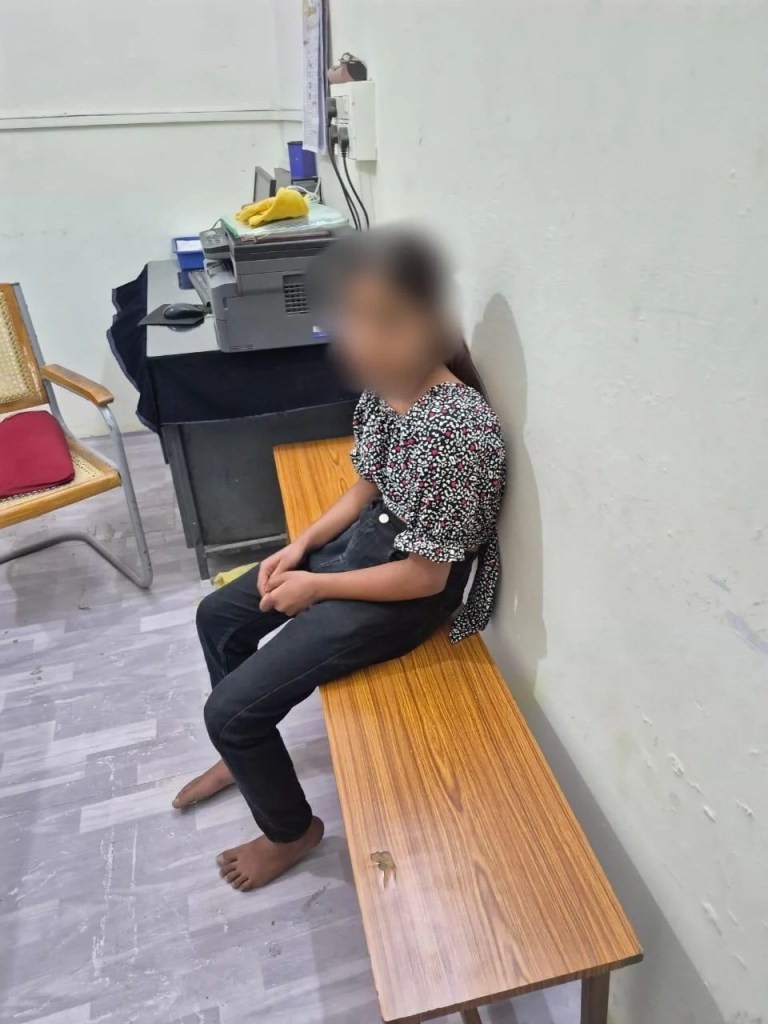
Following a high-stakes tactical rescue of an 11-year-old girl in Ratlam, the Harmony Foundation has intensified its demand for immediate state and central intervention to dismantle what it describes as an “organized culture of trafficking” disguised as tradition.
The Economy of Exploitation
In this specific community, the female child is not viewed through the lens of familial love, but as a future economic asset for family-based prostitution. Investigations reveal a systemic grooming process that begins at infancy. The practice is so entrenched that the community reportedly purchases newborn girls from other regions for sums ranging between ₹2,000 and ₹10,000 ($25 to $120 USD) specifically to raise them for future exploitation.
“Yesterday’s rescue of an 11-year-old is a direct hit to our collective conscience,” stated Dr. Mathai, former Vice-Chairman of the Maharashtra State Minorities Commission. “It is heart-breaking that a child is born here only because she will earn through prostitution. This is not a cultural quirk; it is organized crime with societal approval.”
A Call for Systemic Dismantling
The rescue was a collaborative intelligence-led effort between Mr. Shyam Kamble, head of the NGO partner Exodus India Foundation, and the Ratlam Police under the leadership of SP Amit Kumar. While the rescue is a tactical victory, the Harmony Foundation argues that only a strategic, nationwide review can break the generational chain.
Dr. Mathai has urged the Madhya Pradesh government to execute the following immediate actions:
- Comprehensive Mapping: A full-scale survey of all Banchhada villages to identify and rescue minor girls currently at risk.
- Aggressive Prosecution: Ensuring that middlemen and exploiters are tried under the POCSO Act and the Immoral Traffic (Prevention) Act without judicial leniency.
- National Oversight: A call to the National Commission for Protection of Child Rights and the Ministry of Women and Child Development to launch a nationwide review of communities where trafficking has become normalized.
The Silence of Civil Society
As the Harmony Foundation continues its work on the ground, Dr. Mathai appealed to the global community to break its silence. “If we look away because a community has done this for generations, we become complicit in this crime,” he concluded. “No child should be born only to be sold.”