


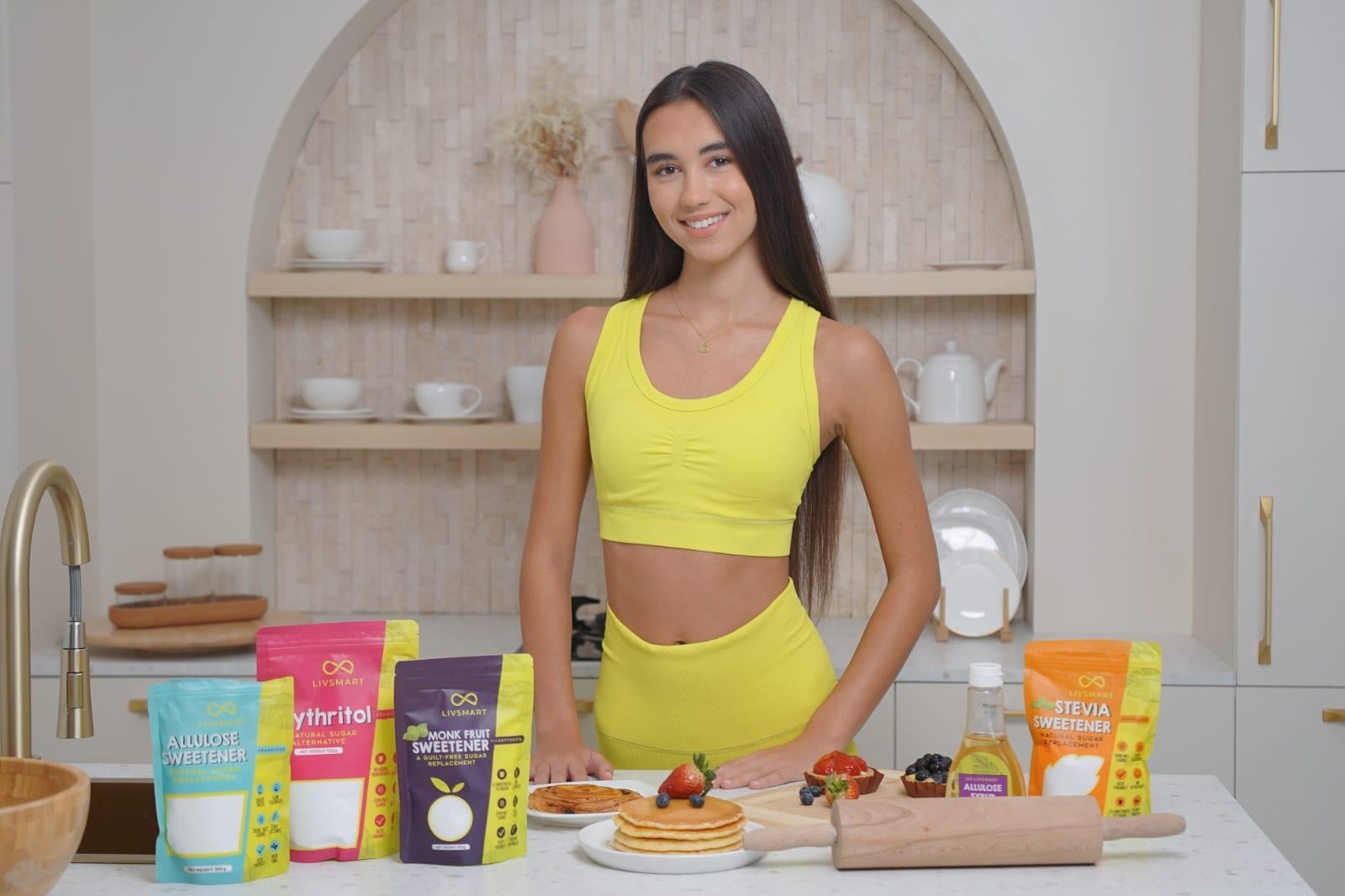
How natural alternatives are helping families balance tradition and health without sacrificing taste.
Sweetness plays a central role in cultural traditions, from morning rituals to family celebrations. However, with lifestyle-related conditions such as obesity and diabetes increasing in the region, consumers are reconsidering the ingredients they use in their kitchens. Recent studies indicate that over 60% of shoppers are now searching for natural alternatives that allow them to prioritize well-being while still enjoying the tastes they love.
This shift has driven interest in next-generation sweeteners, prompting families to educate themselves on the differences between various natural options.
The Rise of Monk Fruit and Custom Blends
A leading option in this market is monk fruit, a small melon originating from the Chinese highlands, historically known as the “Immortals’ Fruit”. This fruit derives its sweetness from antioxidants known as mogrosides, which provide flavor without adding calories or spiking blood sugar. Because pure monk fruit extract is incredibly intense, it is typically blended to create a balanced flavor profile.
Consumers generally encounter two specific monk fruit blends:
- Monk Fruit with Erythritol: This blend uses erythritol, a fermented ingredient found in plants and fruits. It matches the sweetness of sugar at a 1:1 ratio, making it an ideal, familiar choice for coffee, tea, and everyday recipes.
- Monk Fruit with Allulose: Allulose is a rare sugar found in figs and raisins that the body does not metabolize. Unlike other alternatives, it mimics sugar’s behavior under heat, browning and caramelizing, making it the preferred choice for bakers who want soft textures and zero calories without a cooling aftertaste.
Exploring Stevia, Allulose, and Erythritol
Beyond monk fruit, other plant-based options serve specific needs. Stevia, derived from a South American leaf, utilizes steviol glycosides to deliver potent sweetness. When blended with erythritol, it offers a well-rounded taste perfect for blood sugar and weight management.
Allulose is also available in syrup form, providing a topping for pancakes and smoothies that avoids the “sugar rush” associated with maple syrup or honey. Furthermore, erythritol can be used on its own; with 70% of the sweetness of sugar, it serves as an excellent entry point for those reducing their calorie intake.
Choosing the Right Sweetener
While these ingredients share the goal of reducing the health risks of refined sugar, they serve different culinary purposes:
- For Caramelization and Baking: Choose Monk Fruit with Allulose or Granulated Allulose.
- For Beverages (Tea/Coffee): Choose Monk Fruit with Erythritol.
- For Syrups and Drizzles: Choose Allulose Syrup.
- For Glucose Control: Choose Stevia blends.
- For Easy Transitioning: Choose Erythritol.
Accessible Healthier Choices
Livsmart, a Dubai-based brand, has expanded into leading retailers across the GCC to make these natural alternatives more accessible. Sahil Advani, the founder of Livsmart, emphasizes that improving one’s diet should not feel restrictive.
“When people can keep their favourite recipes and still make a smarter choice for their wellbeing, that is where real change begins,” Advani states. As the region moves toward healthier food habits, the focus is shifting to selecting the right kind of sweetness to bring into the home.