

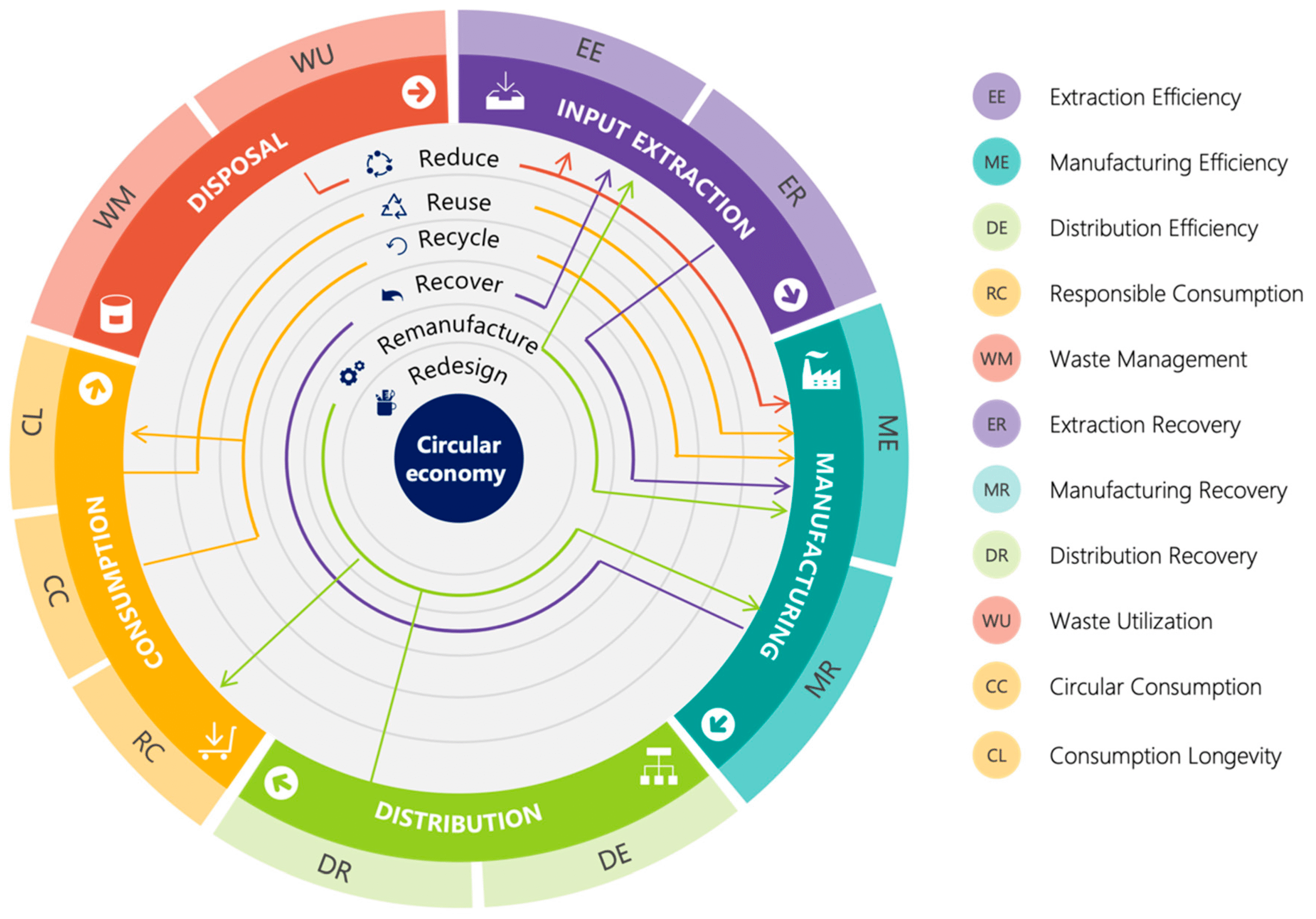
Abu Dhabi is at the forefront of the UAE’s ambitious transition toward a circular economy in 2025, aiming to reduce waste generation, maximize resource efficiency, and foster sustainable economic growth. This transition marks a significant shift from the traditional linear economy, which heavily relies on resource extraction, consumption, and disposal.
Abu Dhabi’s Circular Economy Framework
The Abu Dhabi Department of Economic Development (ADDED) unveiled a comprehensive Circular Economy Framework targeting a 50% reduction in industrial process waste by 2030, with immediate attention on sectors such as manufacturing, food, infrastructure, and transportation.
- The framework encourages industries to adopt sustainable production and consumption patterns.
- It includes initiatives for 100% compliance in plastic manufacturing waste reuse by 2025.
- Over 30 state-of-the-art recycling and waste processing centers support these efforts.
Key Initiatives and Impacts
- Waste-to-Resource Innovation: Programs promoting upcycling textile and electronic waste into new products provide a dual benefit of reducing landfill and creating new economic value.
- Industry Compliance and Incentives: ADDED offers incentives and specialized monitoring to encourage circular economy adoption, including audits and inspections.
- Public-Private Partnerships: Collaboration between government and private sector entities fosters innovation and scalability for sustainable solutions.
Such initiatives not only help preserve the environment but also provide new job opportunities and enhance competitiveness in circular economy sectors.
Leadership and Vision
His Excellency Abdulla bin Touq Al Marri, UAE Minister of Economy, emphasizes the circular economy as a pillar for sustainable development and economic prosperity. H.H. Sheikha Shamma bint Sultan bin Khalifa Al Nahyan, President and CEO of UICCA, highlights the critical role that circular business models play in shaping the UAE’s climate-neutral future.
Challenges and Opportunities
While the circular economy model offers vast benefits, challenges include:
- Technology adoption costs and market readiness.
- Coordinating multi-sectoral compliance and behavioral changes.
- Ensuring sustainable financing and scaling of pilot projects.
However, Abu Dhabi’s ongoing workshops, policy support, and innovation funding underline its commitment to overcoming these barriers.
Frequently Asked Questions
Q1: What is a circular economy?
It is an economic system aimed at minimizing waste and making the most of resources through reuse, recycling, and sustainable design.
Q2: How does the circular economy benefit society?
It reduces environmental impact, creates new jobs, and promotes sustainable economic growth.
Q3: Which sectors are prioritized in Abu Dhabi’s strategy?
Manufacturing, green infrastructure, transportation, and food production are key focus areas.
Abu Dhabi’s circular economy initiatives spotlight the emirate as a regional leader in sustainable development. By integrating policy, technology, and private-sector collaboration, Abu Dhabi is charting a pragmatic and visionary path toward environmental stewardship and economic resilience.
The Telegraph Middle East will continue to provide updates on these transformative green initiatives shaping the UAE’s future.