


More than 1.05 million people in Lebanon are facing acute food insecurity, with conditions expected to deteriorate further by the middle of 2027 as the effects of successive conflicts, economic strain and weakened agricultural livelihoods continue to undermine household resilience, according to a new assessment supported by United Nations agencies.
The analysis, conducted in September by Lebanon’s Ministry of Agriculture with technical support from the Food and Agriculture Organization of the United Nations (FAO), the World Food Programme (WFP) and other partners, estimates that 1,049,566 people are experiencing Crisis or worse levels of acute food insecurity. That represents 21 per cent of the population covered by the assessment.
The figure is projected to rise to approximately 1.15 million people, or 24 per cent of the analysed population, between March and July 2027. The number facing the more severe Emergency classification is also expected to increase from about 52,000 to 97,000.
The findings point to a crisis that is no longer defined only by the immediate consequences of fighting. For many households, the loss of income, depleted savings, mounting debt and rising costs have made food increasingly difficult to afford, even where markets remain supplied.
A fragile recovery is failing to protect household incomes
The latest assessment follows two major periods of conflict in less than two years. Although the intensity of fighting has fallen since the June 2026 ceasefire agreement, the security situation remains fragile, particularly in southern Lebanon, where hostilities and restrictions continue to disrupt everyday life.
The consequences have compounded an economic crisis that began in 2019 and left households with limited financial reserves before the latest escalation. The new analysis identifies a combination of conflict-related losses, slow reconstruction, reduced employment opportunities and higher food, fuel and transport costs as key factors behind persistent food insecurity.
For families already struggling to recover, the loss of a job, a damaged home or an interruption to farming can quickly translate into reduced food consumption. Savings have been depleted and household debt remains high, leaving many people with fewer ways to absorb another shock.
The agencies caution that the latest figures should not be read as evidence of a sustained recovery. Although the number of people facing acute food insecurity is lower than the proportion projected during the peak of the displacement crisis in an April 2026 update, the improvement largely reflects changes in displacement and conflict conditions. It does not mean that household purchasing power or livelihoods have recovered.
Food may be available, but many families cannot afford it
The distinction is important. Acute food insecurity does not necessarily mean that food has disappeared from shops or markets. The IPC analysis points instead to severe constraints on households’ ability to obtain it.
Where employment is scarce and essential expenses remain high, families may be forced to borrow money, cut other spending or sell assets to keep food on the table. Such measures can help households meet immediate needs but weaken their ability to recover financially.
Under the IPC system, Phase 3, or Crisis, includes households with food-consumption gaps or those able to meet minimum food needs only by using damaging coping strategies, such as depleting essential livelihood assets. Phase 4, or Emergency, signals more severe food gaps or reliance on extreme coping measures.
The current assessment places approximately 997,000 people in Phase 3 and 52,000 in Phase 4. The projected increase in the Emergency category is particularly concerning because it suggests that more households could face severe shortages or be driven towards increasingly harmful ways of surviving.
Conflict is weakening agriculture and rural livelihoods
The food-security crisis is also being shaped by damage to farmland, productive assets and agricultural infrastructure. Restricted access to fields, disrupted farming activities and rising production costs have reduced the ability of rural households to earn income and produce food.
Southern Lebanon is among the areas of greatest concern. The assessment also identifies vulnerable communities in Akkar and Baalbek-Hermel, where households face significant economic pressure and limited capacity to recover from disruption.
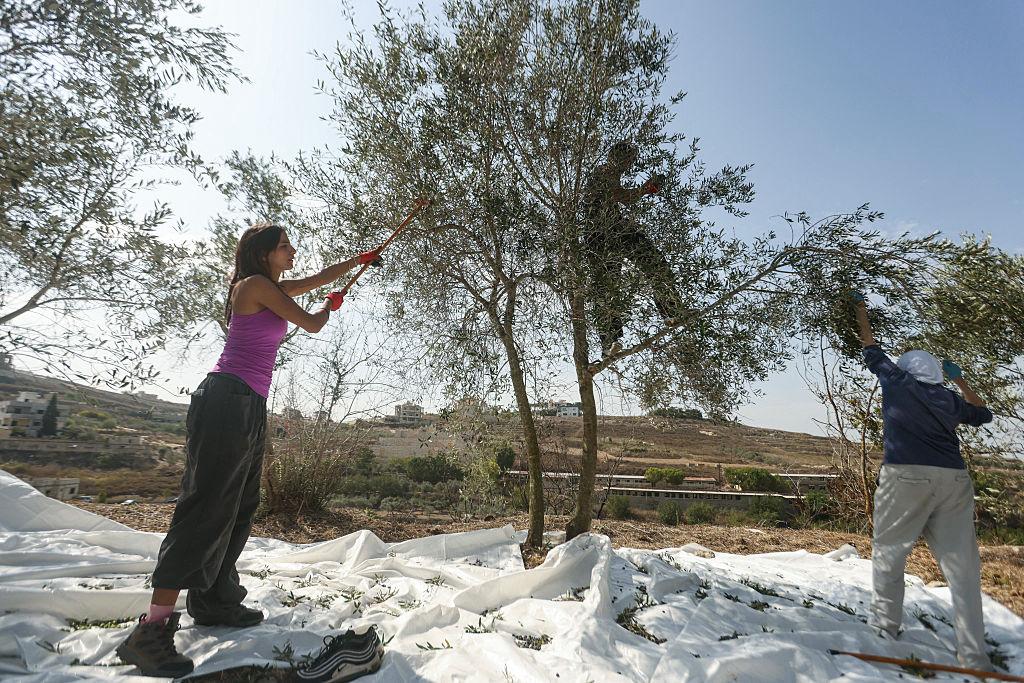
Reporting from the south illustrates how insecurity can affect a household long after the immediate fighting has subsided. In October, Reuters described farmers in the village of Zibqin returning to their olive groves while Lebanese Army personnel stood nearby. Residents said they had been unable to tend their trees during displacement, and one farmer reported that his harvest was about half its usual size.
For agricultural families, a disrupted harvest can mean losing both a source of food and an important stream of income. Damage to crops and productive assets can also affect local supply chains, employment and the ability of small producers to resume normal activity.
Refugees and recently displaced people face especially high risks
The assessment shows that the burden is not evenly distributed across Lebanon’s population.
Among Lebanese residents, around 686,000 people, or 18 per cent of the group assessed, are currently facing Crisis or worse levels of acute food insecurity. That number is projected to rise to approximately 805,000, or 21 per cent, by mid-2027.
The proportion is higher among refugee communities. Crisis or worse conditions affect 28 per cent of long-staying Syrian refugees and 35 per cent of Palestine refugees. Among people who arrived from Syria after December 2024, the share reaches 45 per cent, making them the most food-insecure population group in the assessment.
These differences reflect the varying resources available to households. People who have been displaced, have limited access to stable work or lack savings are less able to manage higher living costs and interruptions to assistance. For families already dependent on humanitarian support, a reduction in aid can quickly deepen existing hardship.
UN agencies warn of a worsening outlook in 2027
The projection for March to July 2027 indicates that the situation could deteriorate further if current pressures persist. The number of people facing Phase 3 or worse is expected to reach approximately 1.15 million, including about 97,000 in Emergency.
The agencies attribute the expected increase to declining humanitarian assistance, continued constraints on livelihoods, delayed reconstruction, persistent insecurity in affected areas and elevated food and fuel prices. The outlook also identifies the possibility that excessive rainfall and sudden flooding could disrupt seasonal wheat planting and damage crops and already fragile topsoil.
The combination of these risks leaves households exposed to further shocks at a time when many have already exhausted their usual coping options. Even a relatively small increase in prices, a new interruption to work or another period of displacement could push vulnerable families into more severe conditions.
Assistance must address immediate needs and the causes of hunger
The IPC recommendations call for food assistance to continue through July 2027, with funding secured for the final months of the projection period. They also urge agencies to adjust support according to the needs of different population groups and to maintain flexibility for displaced and returning households.
Where markets are functioning, cash-based assistance can help families purchase food and other essentials while supporting local businesses. But emergency aid alone will not restore the livelihoods lost through conflict and economic deterioration.
The assessment calls for parallel investment in agricultural recovery, including support for farmers to protect productive assets, resume seasonal activities and rebuild incomes. It also stresses the need to align humanitarian assistance with longer-term economic resilience and nutrition measures.
The Ministry of Agriculture, FAO and WFP have called for stronger coordination between national institutions, humanitarian organisations, development partners and donors. Their stated priority is to meet urgent food needs while helping communities restore local production and improve their ability to withstand future shocks.
Lebanon’s food crisis is becoming a test of recovery
The new figures underline the distance between a reduction in fighting and a genuine improvement in living conditions. A ceasefire can ease immediate security pressures, but it cannot by itself restore lost employment, repair damaged farmland, replace household savings or bring down the cost of basic goods.
For more than one million people, food security remains tied to questions of income, access to land, displacement and the reliability of humanitarian support. The projected rise in the number facing Emergency conditions suggests that the consequences of conflict are continuing to deepen even as the violence has eased.
The warning from the UN agencies is therefore not only about the scale of present need. It is also about the risk that a fragile recovery will leave vulnerable households with too little protection against the next disruption. Without sustained assistance and meaningful support for livelihoods, Lebanon’s food-security outlook is likely to worsen before it improves.


