

Two people were killed and six wounded in strikes around Khan Younis, while a separate attack killed another person in Al-Mussadar, according to Gaza health officials.
Israeli airstrikes killed at least three Palestinians and wounded six others in the Gaza Strip on Monday, according to local health officials, adding to mounting pressure on a ceasefire that has failed to deliver a sustained end to violence or meaningful progress towards reconstruction.
The latest casualties were reported in two separate locations. Medics said two people were killed and six wounded in two airstrikes in Khan Younis, in southern Gaza. A third person was killed in a separate Israeli airstrike in the town of Al-Mussadar, according to the territory’s health officials.
The Israeli military said it had carried out two strikes in Gaza targeting Palestinian militants but did not provide further operational details. The available information did not establish whether the military’s account covered all the incidents reported by Palestinian medical authorities.
The strikes came amid continuing disagreements over the implementation of the US-brokered ceasefire, particularly the future of Hamas’s weapons and the withdrawal of Israeli forces from the territory.
Fresh casualties underline the fragility of the ceasefire
Monday’s deaths are the latest reported casualties since the ceasefire between Israel and Hamas came into effect in October 2025. Although the agreement was intended to create conditions for a longer-term settlement, military operations and allegations of violations have continued.
Israel maintains that Hamas has been attempting to rebuild its military capabilities and has carried out actions that violate the ceasefire. The Israeli government has used these allegations to justify continued military operations against what it describes as militant targets.
Hamas has rejected accusations that it is rebuilding its arsenal or attempting to launch attacks in violation of the agreement. The group has instead accused Israel of undermining the ceasefire through continued strikes and military activity.
The competing claims have made it difficult to establish a shared understanding of what constitutes a violation and how alleged breaches should be investigated or addressed.
For civilians, the distinction has done little to reduce the uncertainty of daily life. Even with a ceasefire formally in place, reports of airstrikes and casualties continue to raise concerns about whether the agreement can provide meaningful protection.
Negotiations remain stuck over disarmament and Israeli withdrawal
The ceasefire framework, brokered by the United States, envisages a longer process that includes the eventual reconstruction of Gaza. However, negotiations have made limited progress, with major disagreements remaining over Hamas’s disarmament and the withdrawal of Israeli troops.
These issues are closely connected. Israel has insisted that Hamas should no longer retain the military capabilities to threaten Israeli territory. Hamas, meanwhile, has resisted demands that it surrender its weapons without broader political and security arrangements.
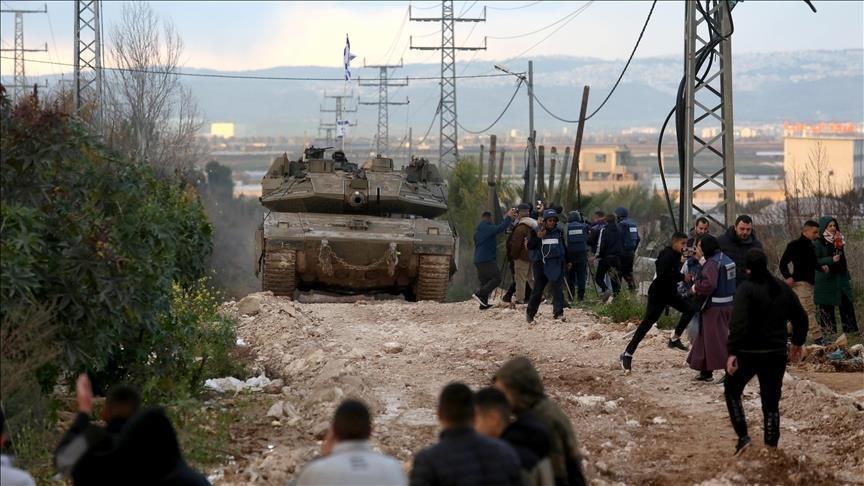
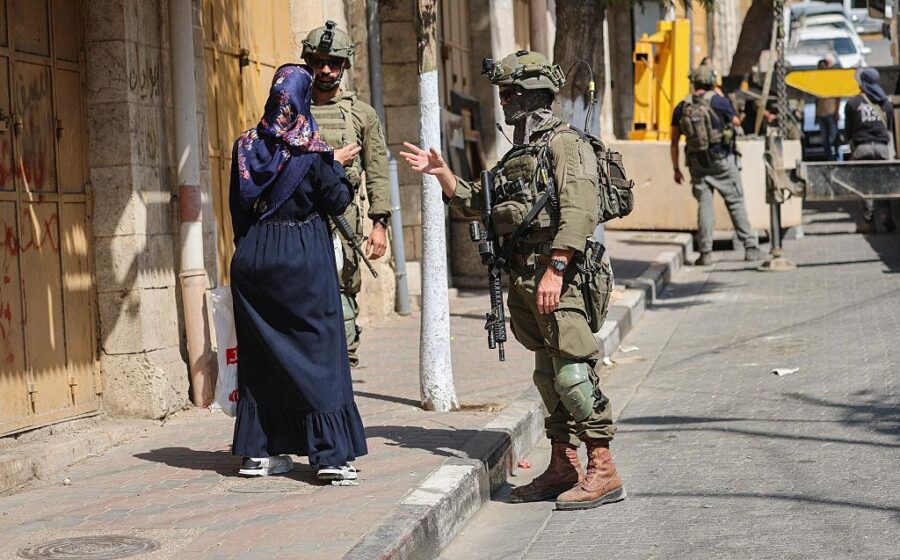
The withdrawal of Israeli forces is another central point of contention. Israeli troops continue to control approximately two-thirds of the Gaza Strip, according to reporting by Reuters. Residents have been ordered out of areas under Israeli control, leaving most of Gaza’s population concentrated in the remaining territory.
The absence of agreement on these fundamental questions has left the ceasefire without a clear path towards its next stages. While the framework anticipates reconstruction, the security and political arrangements required to begin that process remain unresolved.
The latest strikes therefore come at a sensitive moment for diplomatic efforts. Continued violence risks further weakening confidence in the agreement, while the lack of progress on its central provisions leaves the broader settlement uncertain.
Displacement and destruction continue to shape life in Gaza
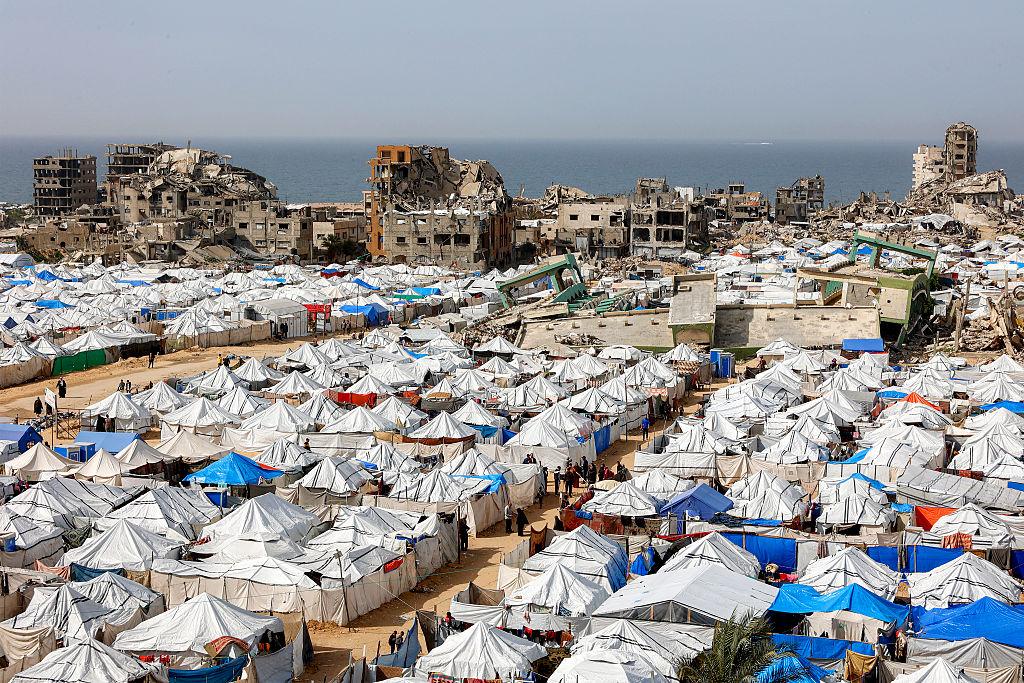
The humanitarian consequences of the war remain severe. Gaza is home to more than two million people, most of whom are living amid widespread destruction, damaged buildings and makeshift shelters.
Large parts of the territory have been devastated by the conflict that began after the Hamas-led attack on southern Israel on 7 October 2023. That attack killed approximately 1,200 people in Israel and led to a major Israeli military offensive in Gaza.
Palestinian authorities have reported more than 74,000 deaths since the beginning of the Israeli offensive. The figures are reported by Palestinian authorities and should be understood in that context.
The continued displacement of residents has compounded the difficulties facing families trying to access shelter, healthcare and basic services. With much of the territory damaged and reconstruction yet to begin on a substantial scale, the prospect of returning to normal living conditions remains distant for many Palestinians.
The casualty figures since the ceasefire also illustrate the gap between the formal end of large-scale hostilities and the situation on the ground. Gaza health officials say at least 1,580 Palestinians have been killed in Israeli attacks since the ceasefire began. Israel, meanwhile, has reported that four of its soldiers have been killed during the same period.
These figures reflect the continuing human cost of the conflict, even as diplomatic efforts focus on the next phase of the agreement.
International pressure faces a difficult test
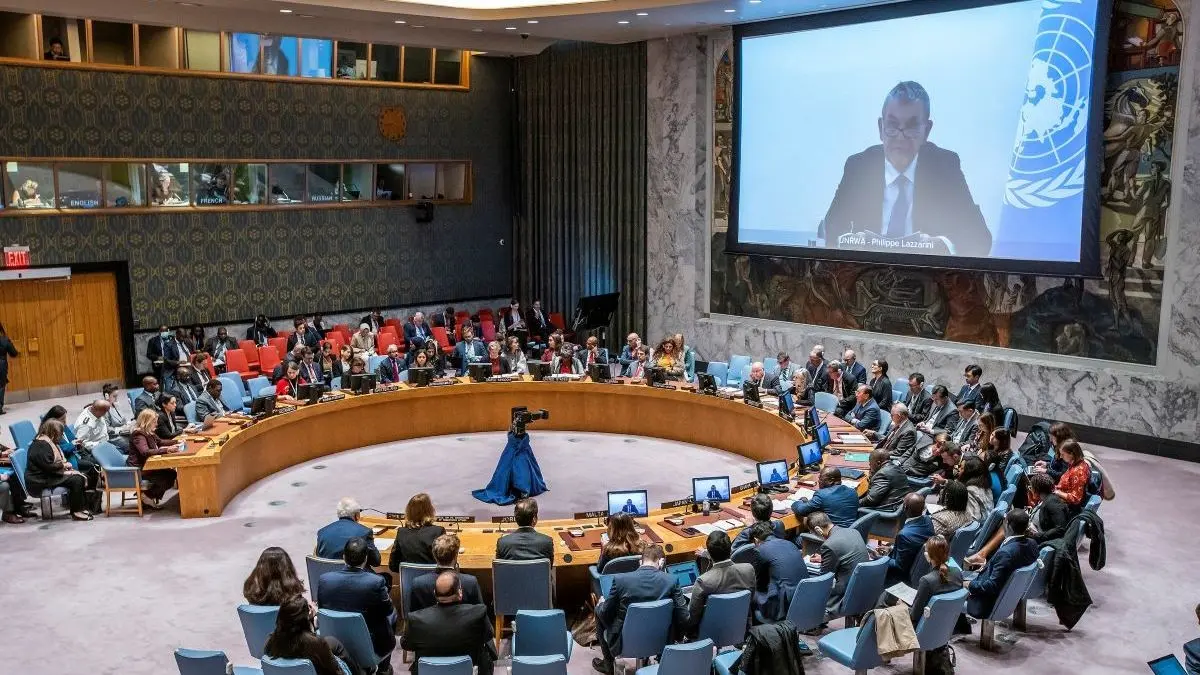
The United States has played a central role in securing the ceasefire framework, but its implementation depends on decisions by both Israel and Hamas. The unresolved questions of disarmament, troop withdrawal and future governance have prevented the agreement from moving decisively towards reconstruction.
For regional governments and international mediators, the immediate challenge is to prevent further escalation while keeping negotiations alive. Repeated incidents and competing accusations risk creating conditions in which each side becomes less willing to make concessions.
The latest strikes also raise questions about how the ceasefire will be monitored and enforced. Without a credible mechanism to address alleged violations, incidents can quickly become another source of political and military confrontation.
For Gaza’s residents, however, the most immediate concern is not the diplomatic language surrounding the agreement but whether it can translate into greater safety and improved living conditions.
Monday’s deaths demonstrate that the ceasefire has not ended the threat of violence. Until the parties resolve their fundamental disagreements and establish a more reliable framework for implementation, the prospect of lasting stability in Gaza will remain uncertain.