

Israeli forces detained at least 13 Palestinians in raids on 29 October as a widening operation in Hebron displaced thousands and disrupted access to schools, healthcare and livelihoods.
Israeli military raids and movement restrictions across the occupied West Bank have intensified, with Palestinian officials reporting injuries, arrests and large-scale displacement as an operation in the Hebron governorate entered its second week.
At least 13 Palestinians were arrested during raids across the territory on 29 October, according to Palestinian sources cited by Anadolu Agency. The arrests came as Israeli forces continued operations in Hebron, where hundreds of families had reportedly been forced from their homes following a deadly shooting that killed two Israeli soldiers.
The developments have deepened concerns over the humanitarian and economic consequences of Israel’s military operations in the West Bank, where residents are facing restrictions on movement, disruption to education and difficulties accessing essential services.
Hebron operation displaces thousands
The latest escalation in Hebron followed a shooting attack in which two Israeli soldiers were killed and three others wounded. The Israeli military subsequently killed the two Palestinian suspects, according to reports.
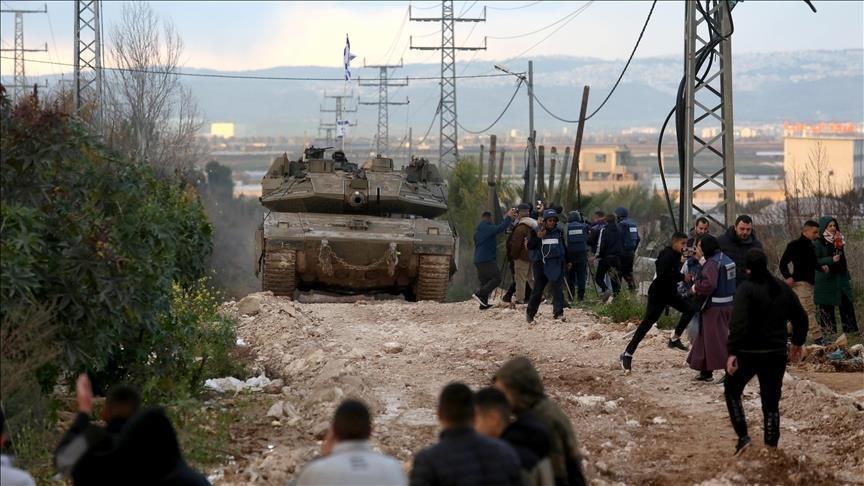
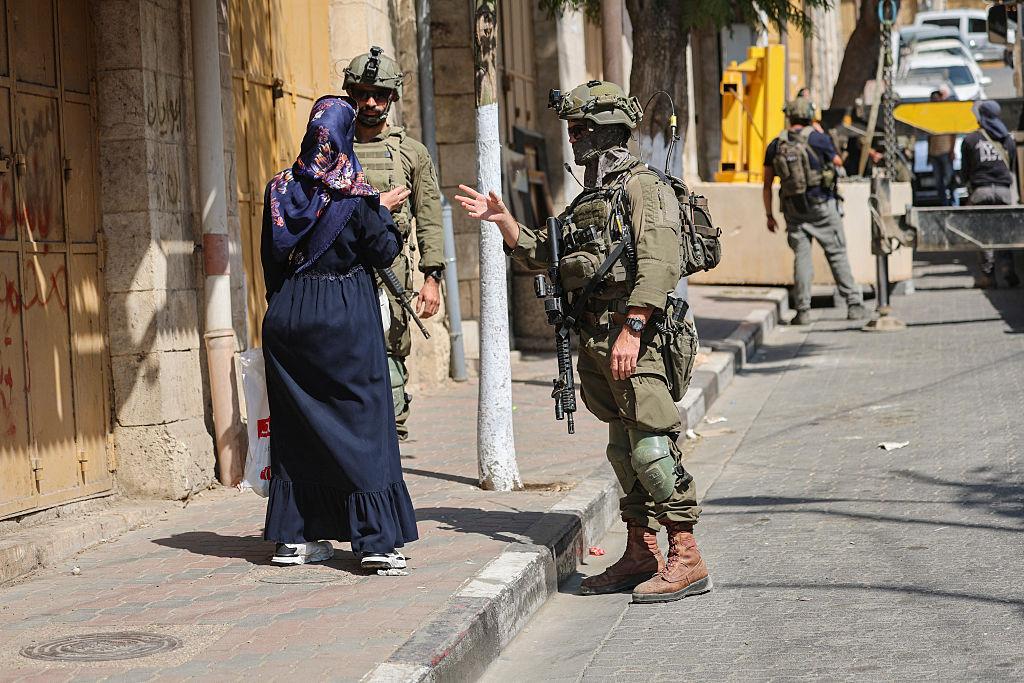
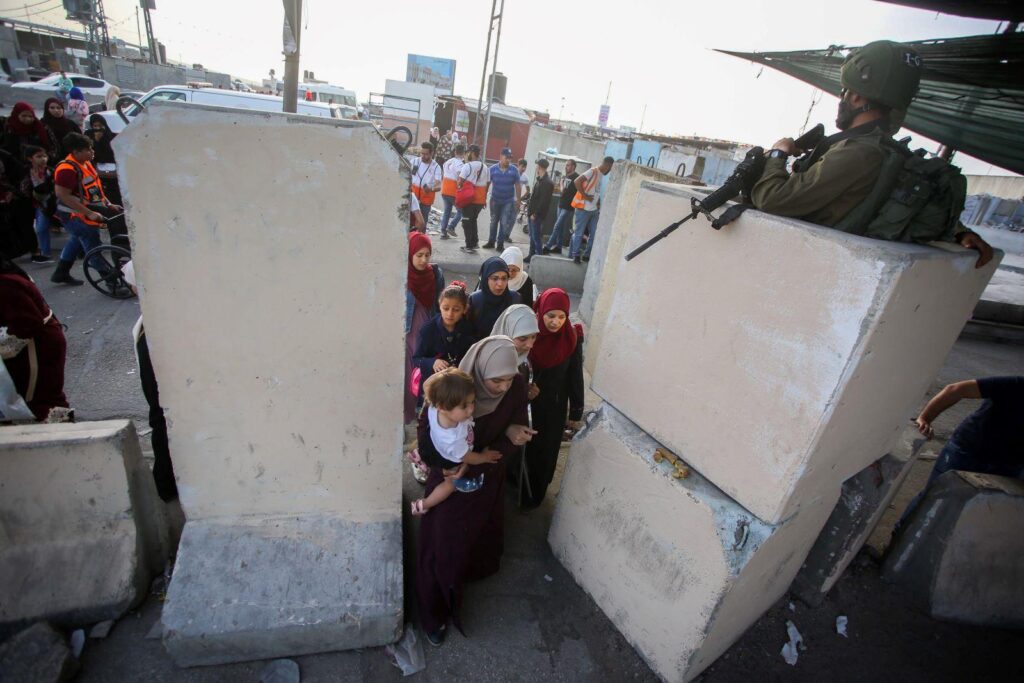
Israeli forces launched an extensive operation across the governorate, imposing closures, conducting searches and restricting access to several neighbourhoods. By 29 October, the operation had continued for seven consecutive days.
Hebron Governor Khaled Dudin said 537 families, comprising 3,361 people, had been forced from their homes. The municipality separately estimated that approximately 5,000 people from 780 families had been affected, including residents who remained in areas under restrictions or siege.
The figures describe different categories of impact and should not be treated as interchangeable. Nevertheless, they indicate the scale of disruption facing communities across the governorate.
Israeli forces reportedly closed iron gates around parts of Hebron’s Old City and took over Palestinian homes in the Jalda and Ain Deir Baha neighbourhoods for use as military barracks, according to local sources cited by Anadolu.
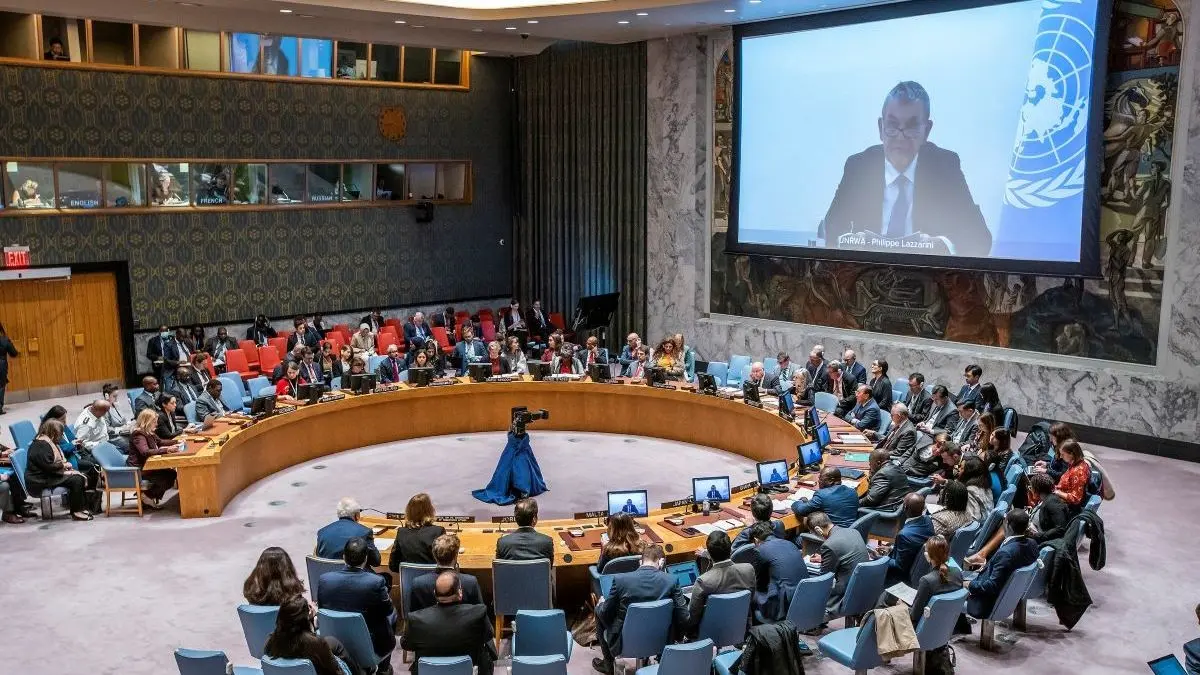
The United Nations has also raised concerns about the humanitarian consequences. UN spokesperson Shirin Yaseen, citing humanitarian partners, said around 3,000 Palestinians remained displaced from two neighbourhoods in Hebron. Israeli forces continued operating in those areas, restricting access and imposing tight movement controls across the governorate.
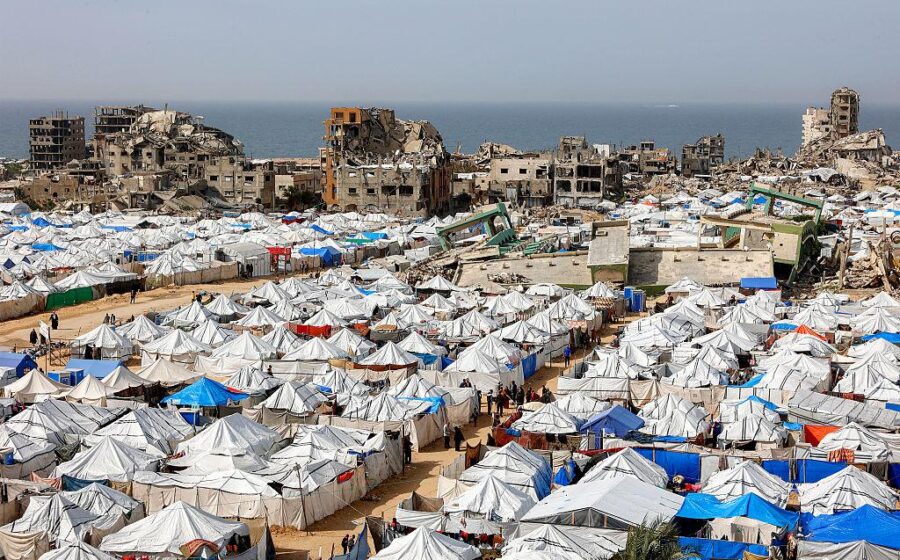
The UN said the restrictions were affecting residents’ ability to reach employment, education and healthcare facilities. Many displaced families were reportedly staying with relatives rather than in formal accommodation.
Arrests and injuries reported across the territory
The operation in Hebron has unfolded alongside raids in other parts of the occupied West Bank.
On 29 October, Israeli forces arrested at least 13 Palestinians in operations across the territory, including three brothers, according to the Palestinian Prisoners Media Office and local sources. Among those reportedly detained was Bashar al-Qaryouti, a paramedic and anti-settlement activist.
In the Qalandiya refugee camp, north of occupied East Jerusalem, a separate raid led to clashes in which two children were injured. The Palestine Red Crescent Society said a 15-year-old boy had been shot in both legs with live ammunition, while a 12-year-old was injured by fragments from live fire. Both were taken to hospital.
Elsewhere, Palestinian news agency Wafa reported that Israeli soldiers and settlers beat Mohammad Ahmad Ayesh Thawabta, a disabled Palestinian man, in the village of al-Maniya, southeast of Bethlehem.
The Palestinian Prisoners Society also said Israeli forces had detained 110 Palestinians in the Hebron governorate between Friday and Wednesday. The reported arrests included residents from several towns and villages, as well as people detained during home searches.
The figures have been reported by Palestinian organisations and local sources. Israeli military explanations for individual arrests and the full circumstances of every incident were not available in the cited reports.
Demolitions and restrictions add to pressure on communities
The impact of the military operations has extended beyond arrests and immediate clashes.
In Deir Ballut, in the Salfit governorate, Israeli forces reportedly demolished two Palestinian homes and bulldozed land. Municipal official Jihad Yassin told Anadolu that water lines had also been damaged and that around 100 demolition notices had been issued in the town, by his estimate.
Israeli authorities have cited construction without permits as grounds for some demolitions in the occupied West Bank. Palestinians and rights organisations have repeatedly argued that the permit system makes it extremely difficult for residents to obtain legal building approvals, leaving homes and infrastructure vulnerable to demolition.
The restrictions in Hebron have also affected daily economic activity. Governor Dudin estimated that the disruption was costing the local economy between 10 million and 12 million shekels a day. He also said that around 262,000 students across 589 schools in the governorate had experienced disruption to their education during the week, with schools moving to remote learning.
For families already facing economic pressure, prolonged closures can make routine activities — including travelling to work, attending medical appointments and purchasing essential supplies — considerably more difficult.
Olive harvest season brings further tensions
The escalation has coincided with the annual olive harvest, an important source of income for many Palestinian agricultural communities.
Reports published around 30 October described attacks on olive pickers and restrictions on access to farmland in several West Bank locations. In Burqa, northwest of Nablus, a Palestinian man was reportedly injured after being beaten by settlers. In Beit Dajan, farmers were allegedly prevented from continuing their harvest and forced to leave their fields.
Local sources also reported that more than 30 Palestinians were made to leave agricultural land near Al-Lubban Al-Sharqiya after Israeli soldiers pursued olive pickers and fired sound grenades.
In Kafr Malik, northeast of Ramallah, two Palestinians harvesting olives were reportedly arrested. Other incidents involved damage to homes and agricultural property.
These accounts were reported by local sources and Palestinian organisations. They form part of a wider pattern of tension surrounding access to agricultural land, particularly during the harvest season, when farmers depend on reaching groves that may be close to settlements or military-controlled areas.
Wider implications for regional stability
The developments in the West Bank complicate efforts to reduce tensions across the region and establish a more durable political framework following the war in Gaza.
Although the West Bank and Gaza are geographically separated, events in both territories are closely connected to questions of Palestinian governance, security and the prospects for a political settlement. Continued displacement, settlement-related tensions and restrictions on movement risk further weakening the prospects for stability.
The latest operation also illustrates the difficulty of balancing Israel’s stated security objectives with the humanitarian and legal obligations associated with military operations in occupied territory. Israeli authorities have presented their actions as responses to attacks on Israeli personnel and security threats. Palestinian officials and humanitarian organisations have focused on the wider effects on civilian communities, including displacement and restrictions on essential services.
The immediate situation in Hebron remains particularly concerning. The number of displaced residents, the continued closure of neighbourhoods and the disruption to education and healthcare suggest that the consequences of the operation may persist even after the most intensive military activity ends.
For Palestinians living across the West Bank, the latest raids are not isolated security incidents. They are unfolding against a backdrop of recurring military operations, settler violence, demolitions and restrictions that affect daily life and access to livelihoods.
Whether the current operation remains concentrated in Hebron or contributes to a broader escalation will depend on developments on the ground. For now, the humanitarian impact is already being felt well beyond the locations where the raids began.